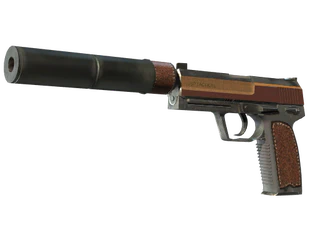
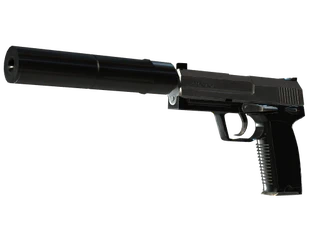
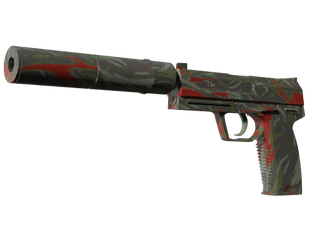
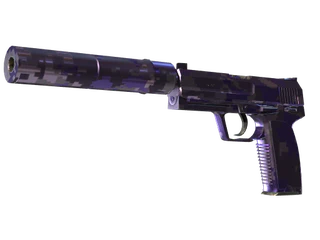
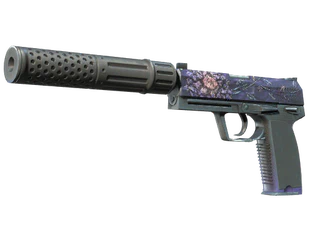
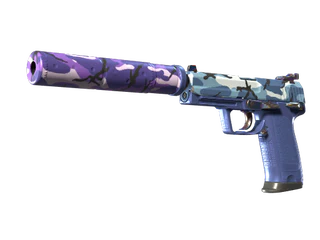
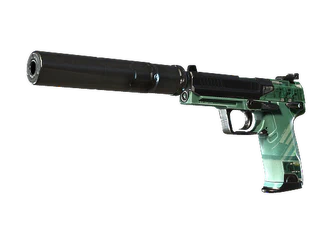
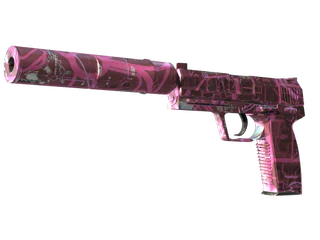
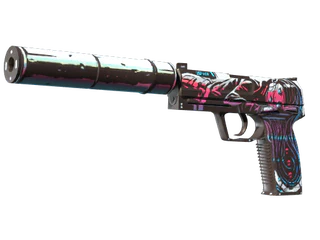
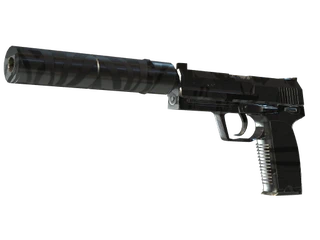
Mid-tier demand with a tight clean-end premium and a firm floor. The USP-S | Blueprint trades like a mainstream pistol: decent turnover among buyers who want a blue Custom Paint Job and a name by Graff. Watch the capped float profile - the clean ones carry most of the attention.
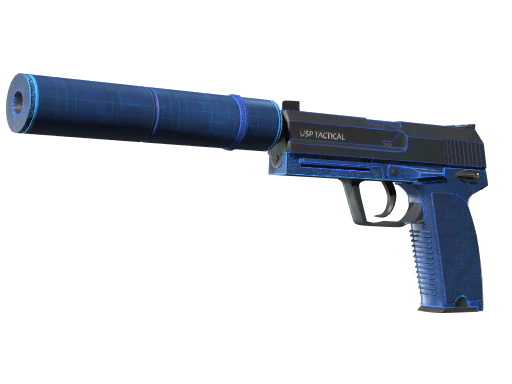

Mid-tier demand with a tight clean-end premium and a firm floor. The USP-S | Blueprint trades like a mainstream pistol: decent turnover among buyers who want a blue Custom Paint Job and a name by Graff. Watch the capped float profile - the clean ones carry most of the attention.
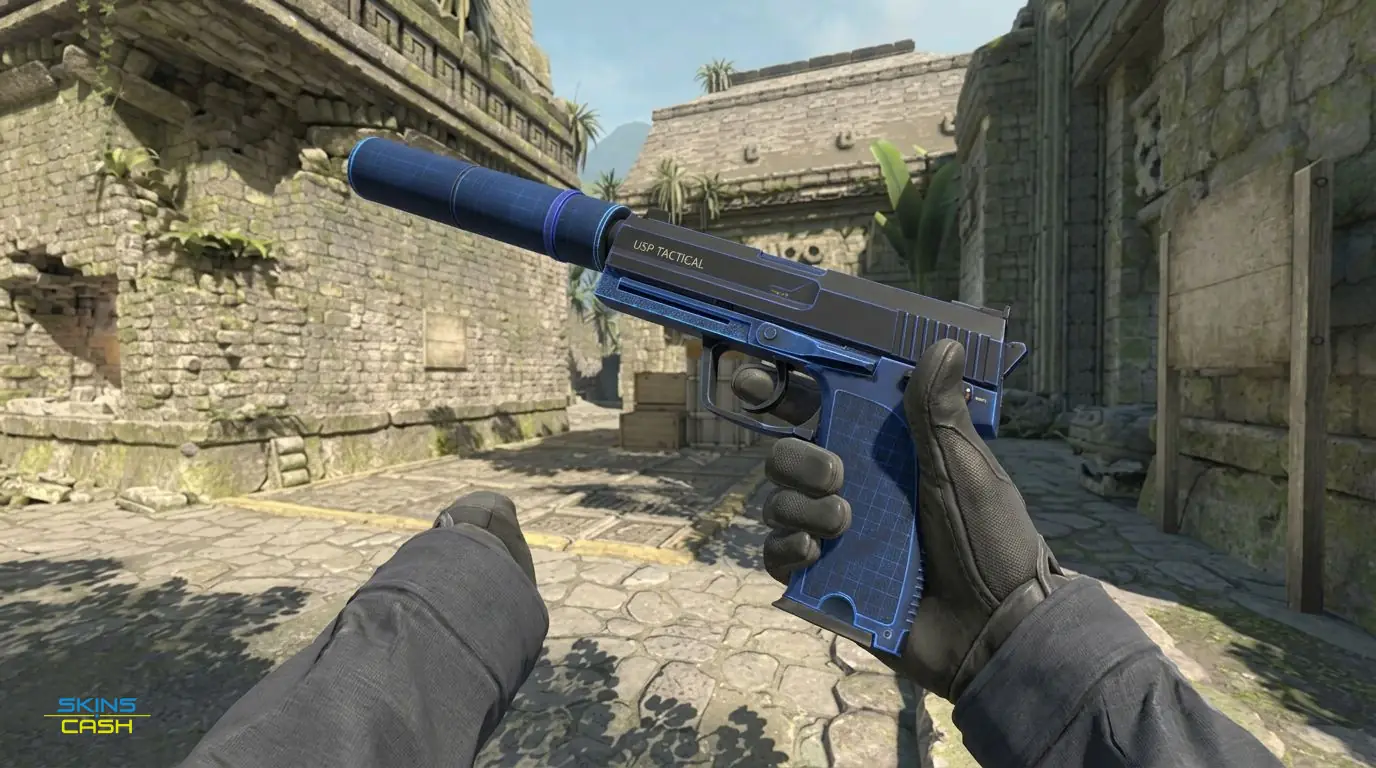
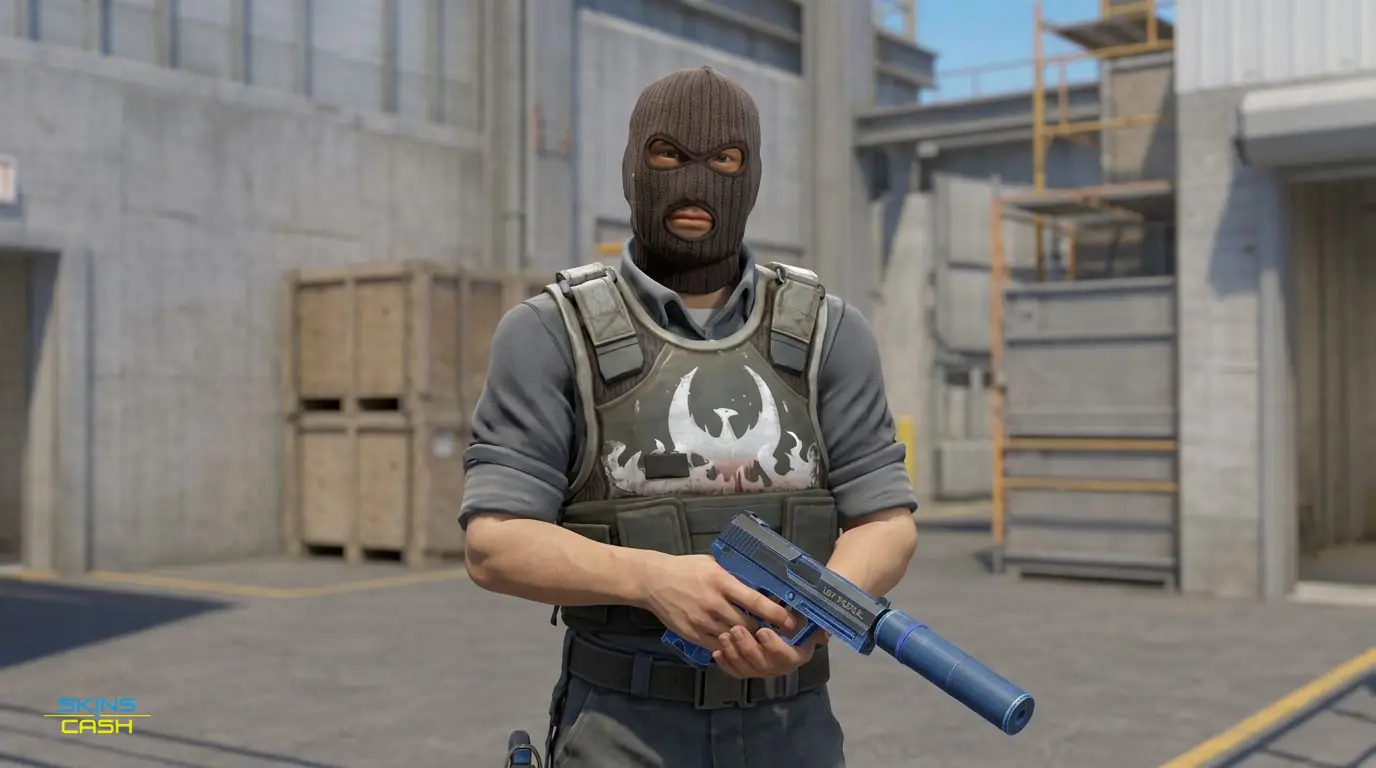
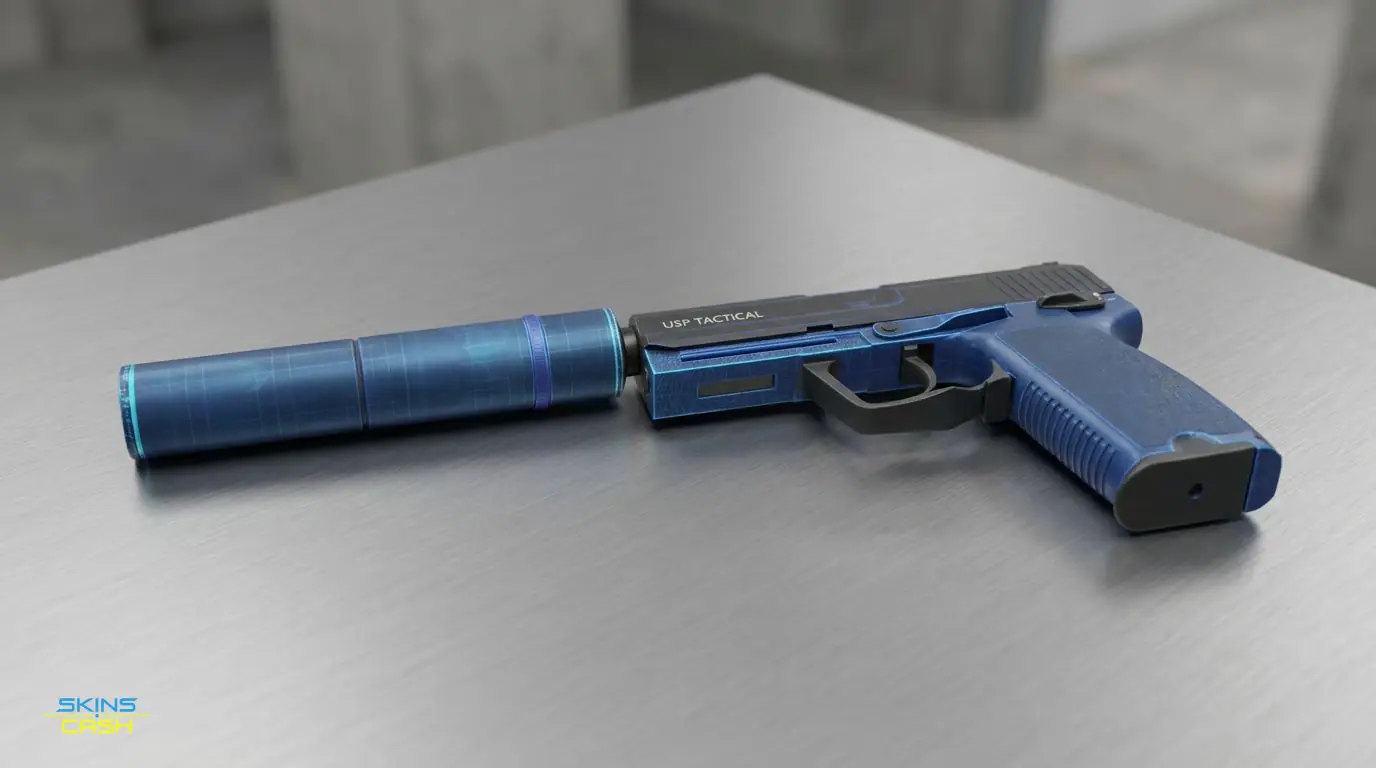
This sits squarely in the mid bracket, not a grail and not a budget filler; buyers come looking for a blue USP-S with a Graff finish rather than a speculative trophy. For a seller that means steady interest but selective bidding: expect meaningful offers when the copy checks the clean boxes and quieter reception elsewhere.
The ladder is capped and stepped rather than smooth, with a pronounced premium concentrated at the clean end and a series of visible drops as wear deepens. That stepped payout makes each wear tier behave like its own little market band instead of a continuous slope.
Sellers and buyers hunting value find the best skin-for-money slightly down the ladder from the absolute clean end, where the paint still reads blue and the Custom Paint Job shows well. Beyond that point the payout stops rewarding marginal cleanliness and moves into the lower stepped bands where liquidity thins.
Listing prices often sit noticeably above the cash a seller nets; the gap widens when demand softens and tightens when the top wear tier heats up. Expect that spread to be largest on the cleaner, StatTrak copies where buyers post aspirational asks and actual takers are pickier.
This finish shows wear plainly on the face and along the slide edge, so buyers pay for a visibly clean surface rather than subtle float differences. A clean Blueprint keeps the blue tone intact; once scuffs mute that palette the market discounts it more aggressively.
In the StatTrak line you can see inversion where a dirtier StatTrak out-prices a cleaner non-StatTrak because the counter feature attracts a different buyer base. Watch for StatTrak listings that command attention despite heavier wear; machines and cashed collectors will chase the counter independent of visual cleanliness.
Mil-Spec Grade status underpins the low end; even worn copies retain a base demand because they are a common-rated pistol from a known collection. That rarity buffer keeps the bottom of the ladder from collapsing into nothing, giving a predictable support level.
This Blueprint drops from the Operation Hydra Case, and that origin keeps a steady trickle of supply tied to players opening those cases. Case origin matters here because it defines the steady baseline of copies hitting the market.
Graff is the maker, a community designer name buyers respect on a simple pistol canvas, which helps the finish cut through when compared to anonymous defaults. The Custom Paint Job flair and the blue palette read like a deliberate craft rather than a filler skin.
Price action is jumpy within a wide historical range: strong rallies to the clean end and sharp pullbacks when short-term interest wanes, which makes timing relevant for cashout. The one-year climb followed by a recent hard pull means volatility is front and center right now.
Lean into the spread: post just above the prevailing buyer block and be ready to tighten if a clean copy attracts bids, while avoiding panic selling into a thin lower tier. Discipline on listing placement preserves value, especially on the StatTrak band where mispricing is costly.
Among players this skin is respected for a crisp blue look and a recognizable community designer, not for being a headline grail. That steady, tasteful sentiment is what keeps demand consistent among buyers who want a clean USP-S Blueprint rather than a showpiece.