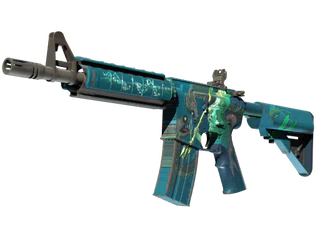
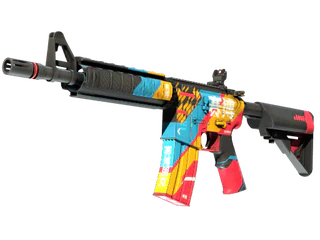
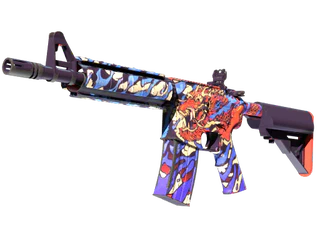
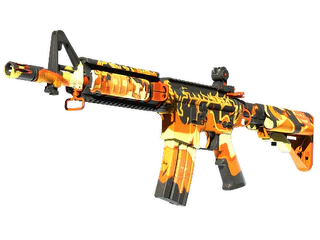
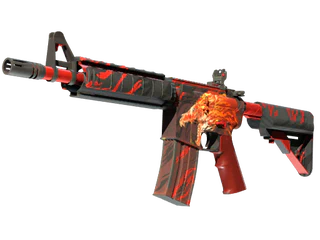
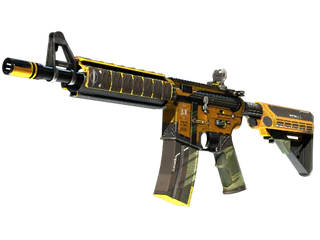
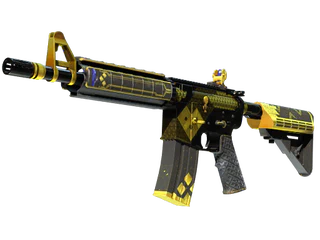
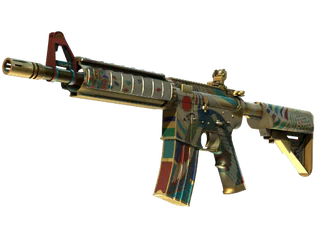
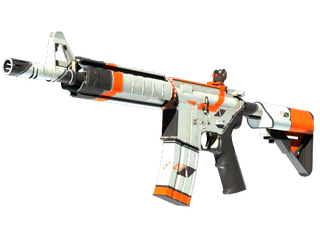
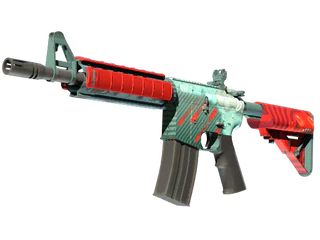
M4A4 | Hellfire sits squarely in the mid bracket - solid demand, not grail-level chasing. The market is tight at the low end but opens up toward the best floats, so a seller can choose between quick, reliable cash or holding for a meaningful top-end uplift.
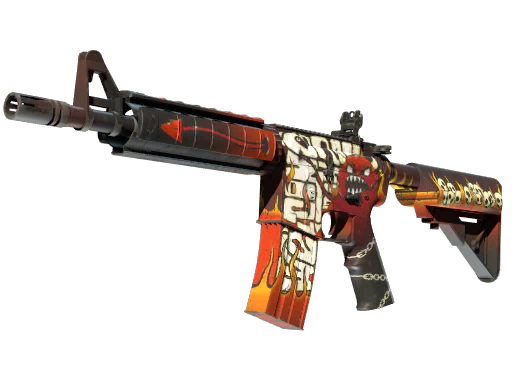

M4A4 | Hellfire sits squarely in the mid bracket - solid demand, not grail-level chasing. The market is tight at the low end but opens up toward the best floats, so a seller can choose between quick, reliable cash or holding for a meaningful top-end uplift.
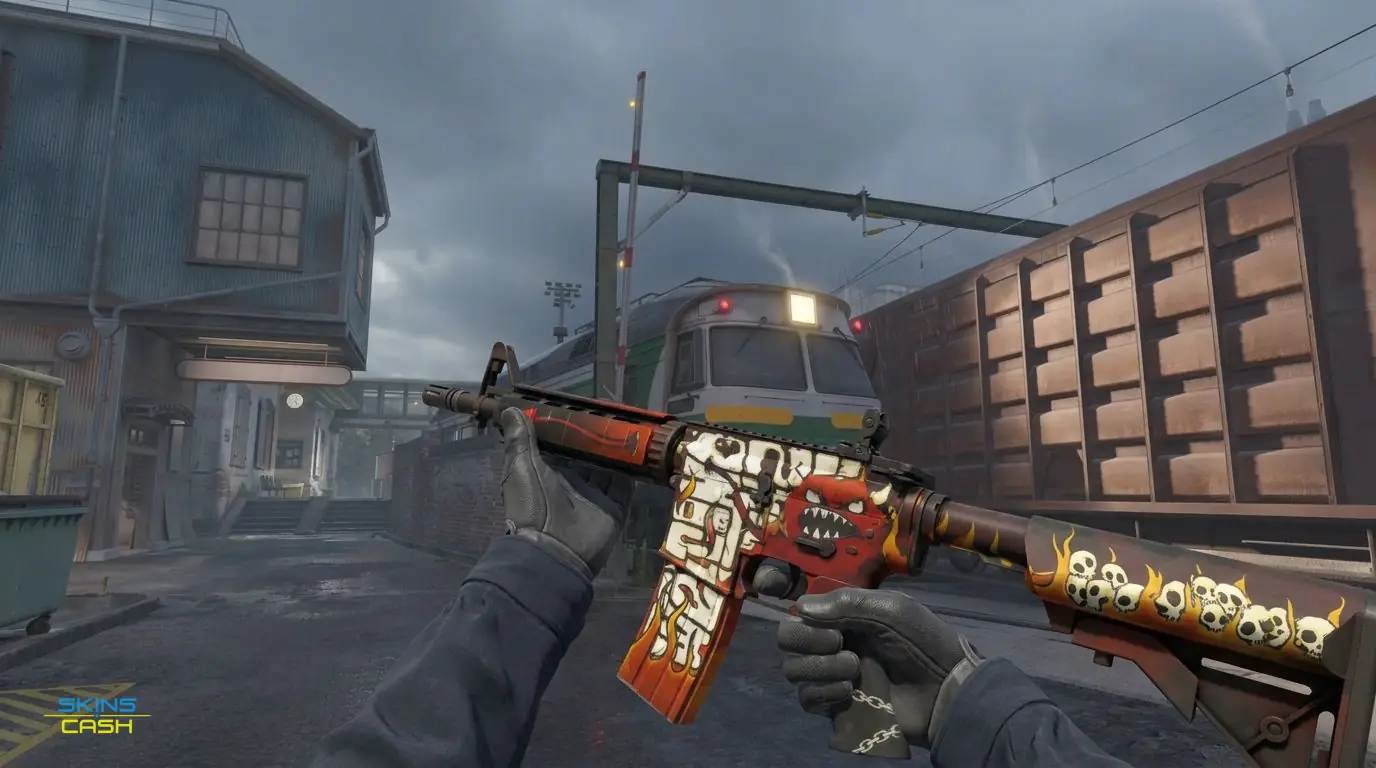
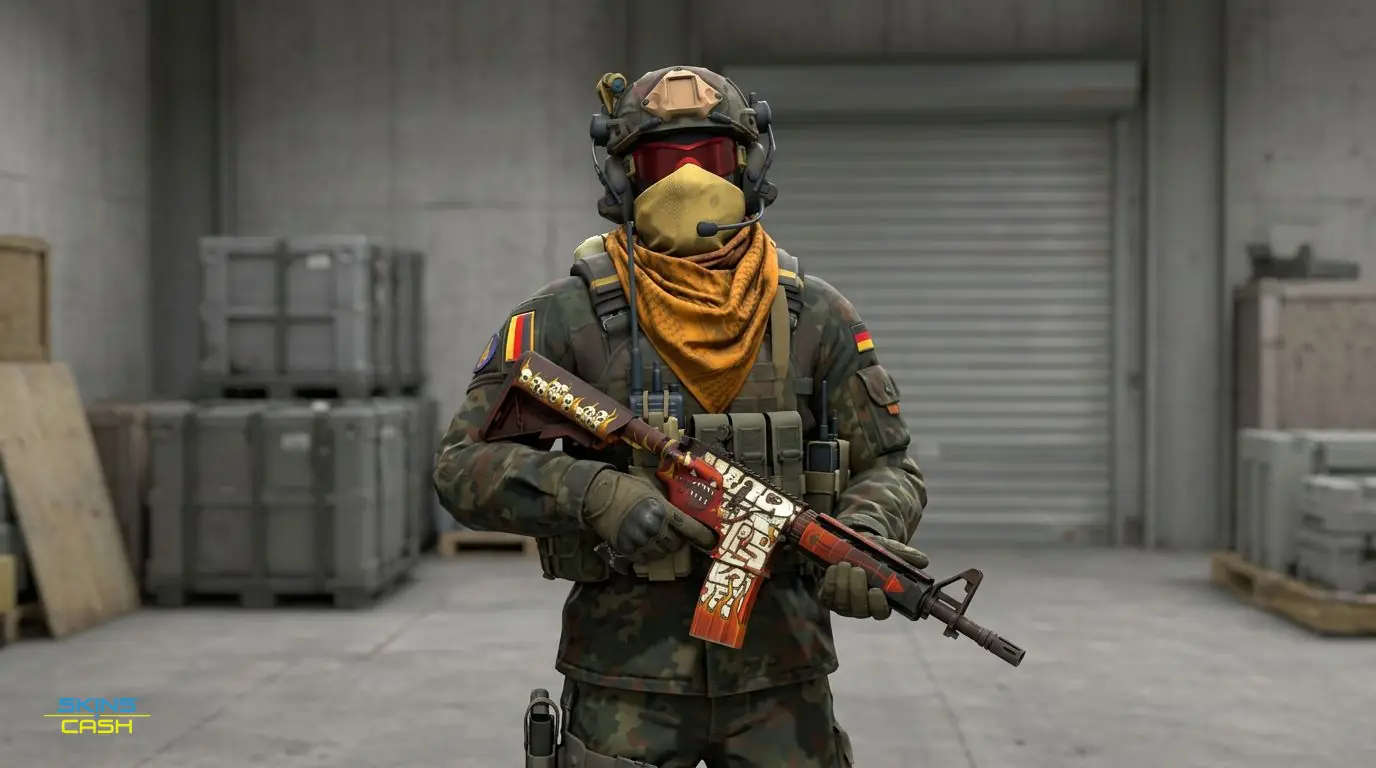
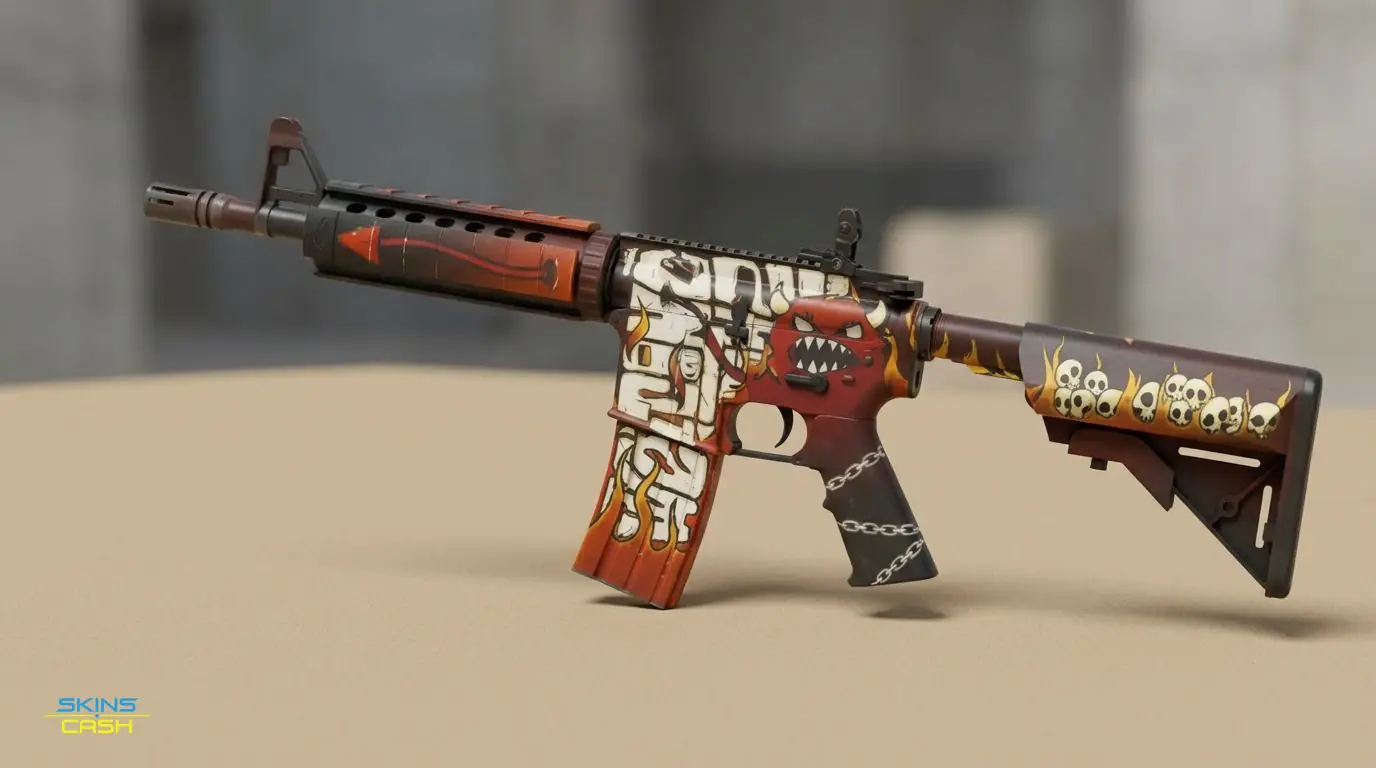
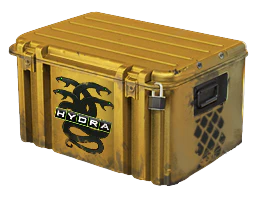
Mid-tier Classified demand describes this rifle: enough players and collectors to move copies regularly, but not the kind of breathless bidding you see on grail pieces. That means sellers get consistent interest without waiting forever, and listings that price sensibly against its Operation Hydra Case peers tend to clear first.
The ladder is capped and stepped rather than a smooth glide; value builds toward the clean end and the curve bends sharply at certain wear breaks. You see a couple of discrete bands where the market treats floats differently instead of a single, even slope.
Mid-wear copies are the most skin-for-money play: they give the Hellfire look without the premium drag of top floats. Sellers moving inventory fast lean into that band; only those chasing outsized returns should hold for the highest-clean copies.
Top floats pull a disproportionate share of value, trading for multiples above the common ladder. The market treats the very clean copies as collectible hits because of the palette and finish, so a small handful of listings will sit far above the bulk.
Because the finish is capped, the worst copies read cleaner than usual and the bottom of the ladder feels firmer. That compression keeps the low-end floor from collapsing the way open-range finishes sometimes do, which helps sellers avoid rock-bottom exits.
StatTrak Hellfires follow a parallel curve but with an obvious premium stretch at the clean end; buyers of ST copies are a distinct subgroup and less sensitive to small spread moves. For sellers, STs clear reliably but expect their asks to sit notably higher than non-StatTrak equivalents.
Classified rarity underpins the skin so even worn copies hold a meaningful baseline. That rarity support makes rapid, lowball sell-offs less common and gives sellers leverage when cleaning out inventory.
The red-forward palette and SHPR custom paint job read aggressive in-game and pop on common maps, which keeps demand steady among riflers who want a bold signature piece. The finish style gives contrast against darker map backdrops and shows well at medium viewing distance.
SHPR's touch lifts the craft beyond a default Valve offering, attracting the collector crowd that follows community designers. That pedigree nudges some buyers off the fence and supports the clean-end bids.
With a massive historical range but a capped float profile, the skin jumps when trends flip yet has a firmer bottom than open-range pieces. After a sharp up cycle and recent down pressure, timing a cashout matters more than usual if you want to capture a high bid.
Buyers should avoid paying top for marginally cleaner copies unless they want to flip only to collectors; the mid band is where returns are most reliable. Watch the ask spread closely and step in when top asks retreat toward the mid-tier listings.
Red tones take holo fire and burn stickers well; the Incineration and Firestarter holos layer cleanly over the heat motif and can lift a listing into the cleaner premium band. A tidy craft with two strong holos and minimal scrape will beat a plain copy when buyers compare side by side.