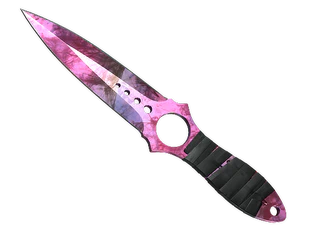
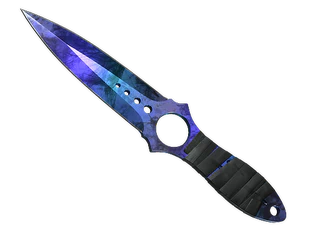
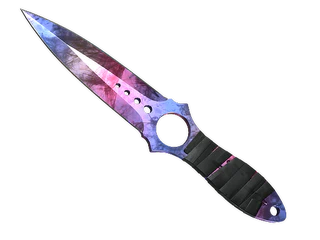
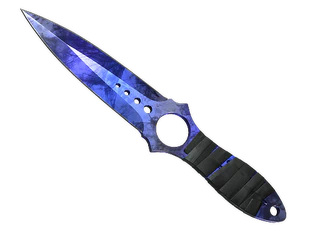
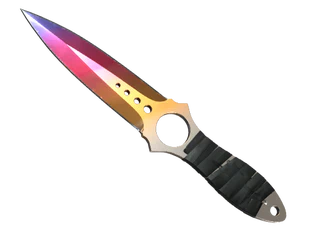
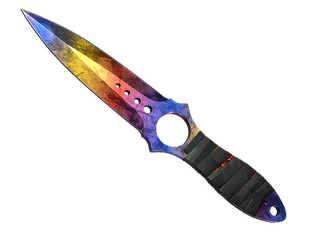
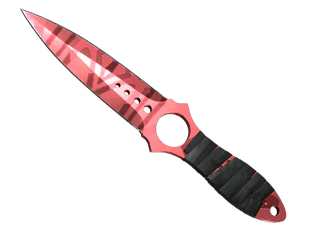
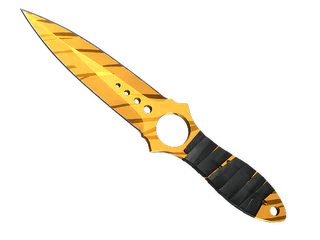
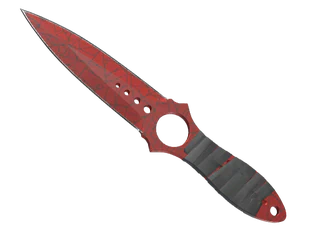
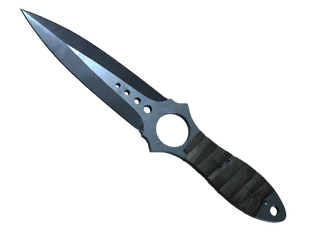
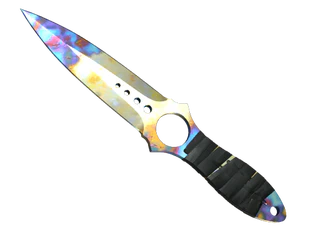
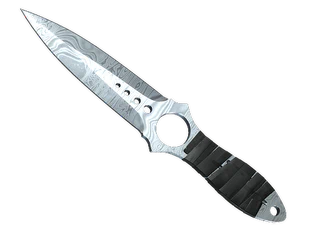
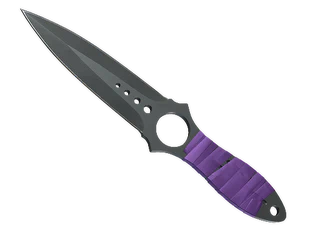
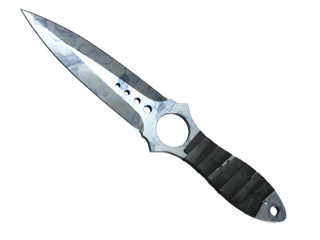
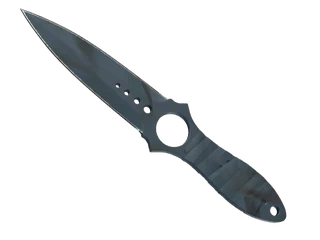
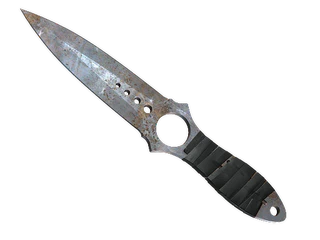
The Skeleton Knife sits squarely in the premium covert bracket where demand is steady but the one true market lives at cleaner floats. Expect a broad historical band and a seller's market that favors discipline on float and timing rather than quick flips.
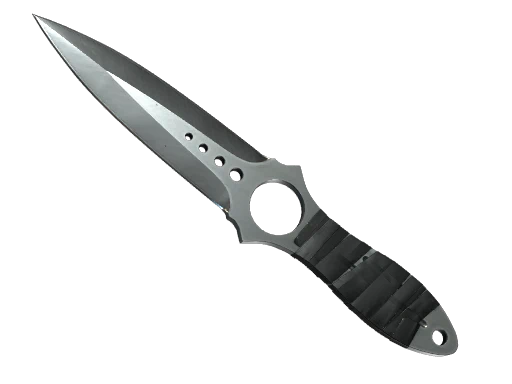
The Skeleton Knife sits squarely in the premium covert bracket where demand is steady but the one true market lives at cleaner floats. Expect a broad historical band and a seller's market that favors discipline on float and timing rather than quick flips.
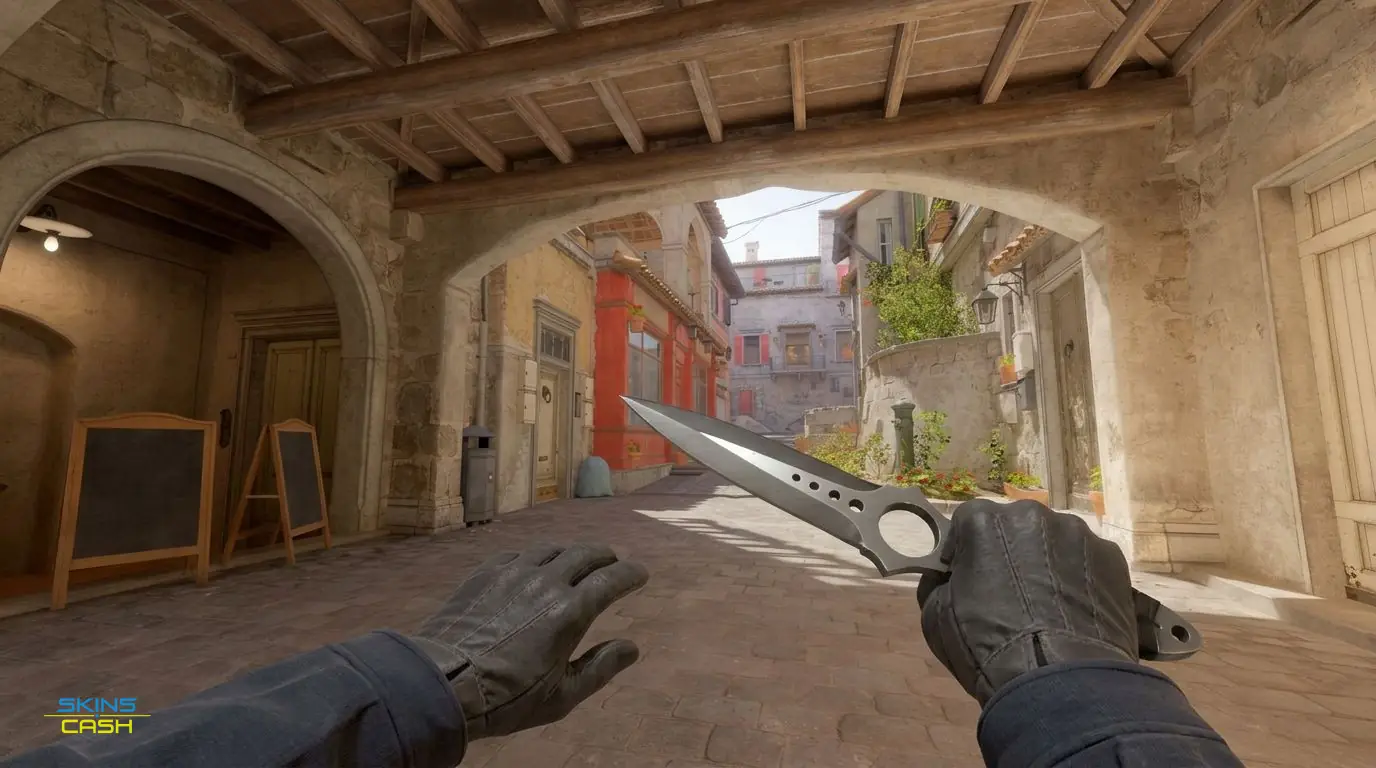
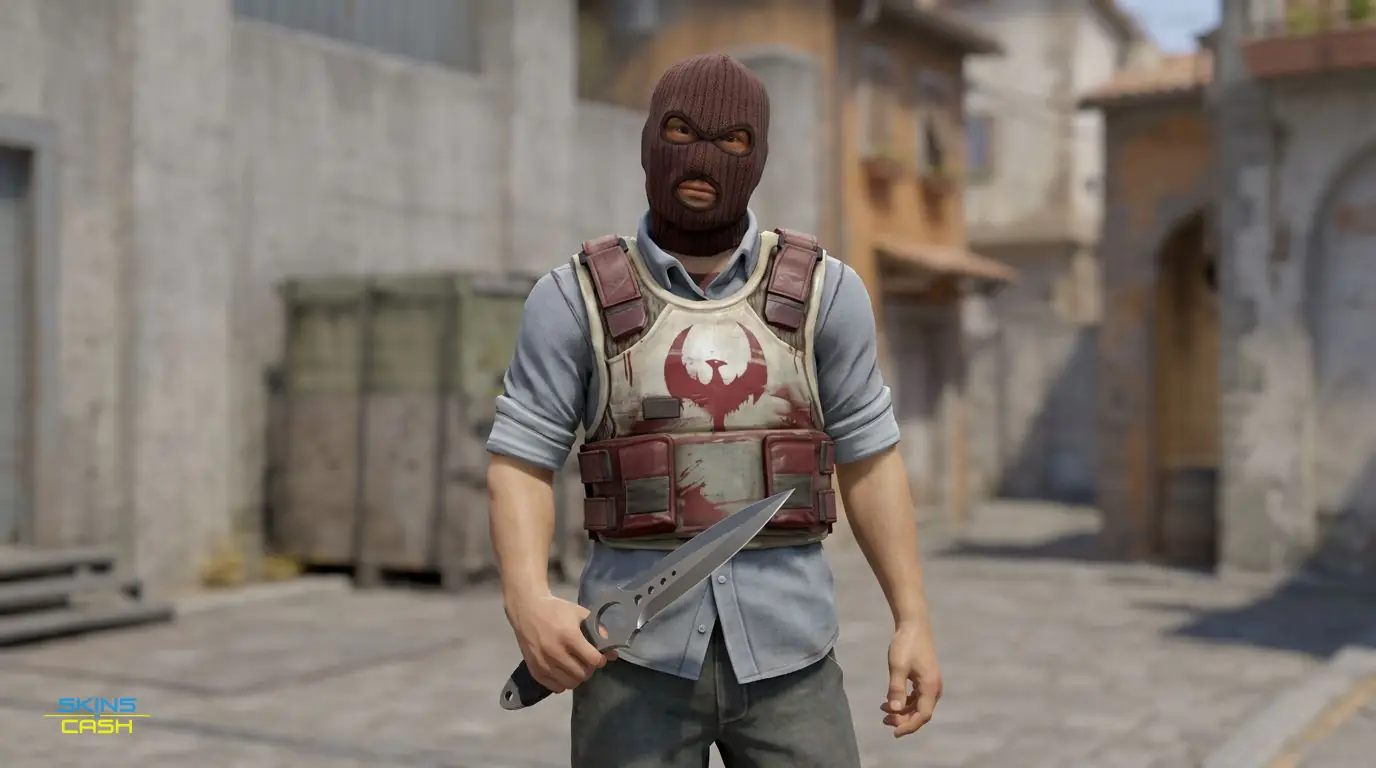
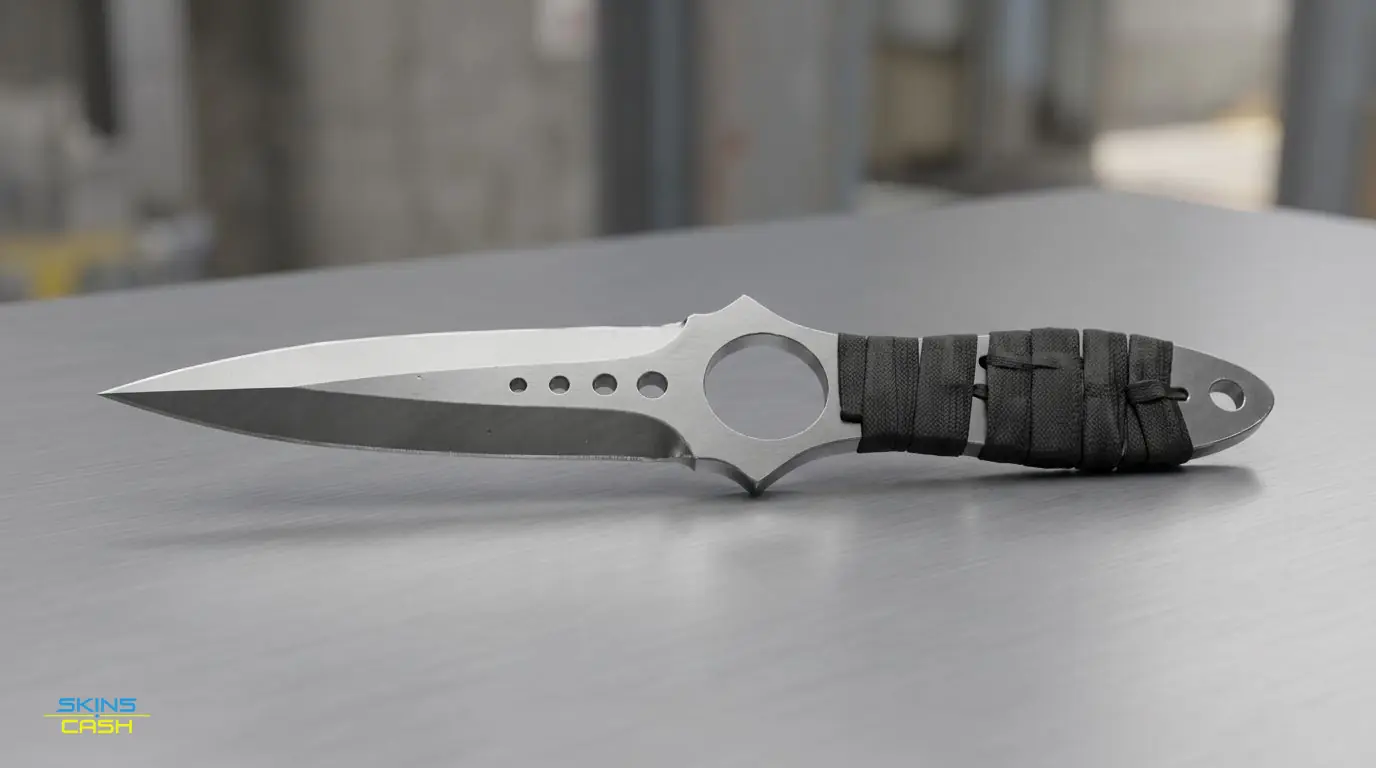
This is a premium covert knife that trades like a mainstream grail for collectors who want a clean look without exotic pattern premiums. Sellers can treat it as a deeper pocket item: fewer transactions than budget knives, but buyers are deliberate and willing to pay for the right copy.
The payout curve is full-range with a long, continuous slope rather than a single cliff; value accumulates toward cleaner floats but the drop is gradual across most of the ladder. Only at the very clean end does the ladder tighten and reward patience.
Expect a visible spread between posted asks and net cashout: listings sit higher while effective payout is lower after marketplace friction. That gap widens when the market is thin and narrows when a few clean copies trade, so factor execution cost into your target.
Mid-clean copies deliver the strongest skin-for-money balance for resellers who want turnover without hunting absolute perfect floats. Once you move into the near-pristine band, incremental float gains stop paying off unless the buyer is specifically chasing a clean one.
Float runs the whole spectrum here, so you can find everything from well-worn silhouettes to near-pristine blades within the same listing universe. That makes float discipline practical: you have to pick the wear that matches your exit plan rather than relying on a narrow band of availability.
Being a covert knife gives the low end of the ladder a built-in support level even for beaten copies; rarity underpins liquidity where visual wear would otherwise force fire sales. The covert tag keeps worn pieces from collapsing to budget levels seen in common knives.
There are no alternate StatTrak or Souvenir lines to complicate market reads, which keeps the market single-threaded and easier to price. One line means fewer edge cases and quicker consensus on what the skin is worth.
This blade comes from the Shattered Web Case, and that origin keeps supply tied to a legacy container rather than ongoing drops. Cases like that compress new supply into the market, so circulation depends on trade and holder willingness to sell.
The raw finish and stark black palette read clean in-game: it reads stealthy on dark maps and stands out just enough against lighter backgrounds. Valve's design language here leans minimal and functional, which is why buyers hunt the cleaner specimens.
The all-time band for this knife has been massive, with wide swings between quiet periods and active demand. Current pricing sits somewhere within that broad band rather than at an extreme.
If you are buying to flip, watch the ask block closely and set a firm float cutoff before you pull the trigger; patience pays when the market is flat and liquidity is thin. Better to buy a slightly cleaner copy for a tighter resell window than to average up into a noisy band.
Named pros like EliGE, DANK1NG, and koala tie this model to the competitive scene, which keeps a baseline of interest among collectors who follow those players. The pro association nudges demand toward cleaner copies when those players use the knife publicly.