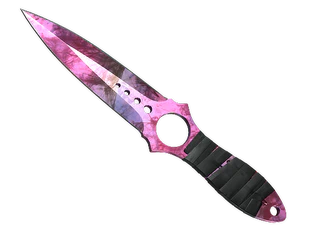
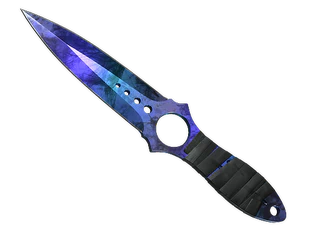
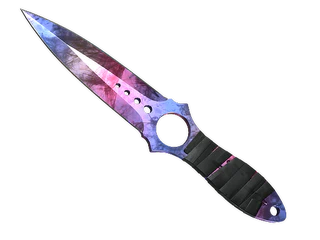
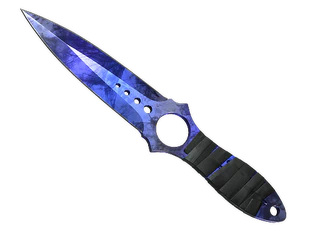
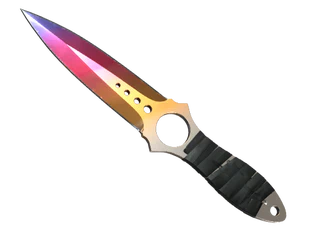
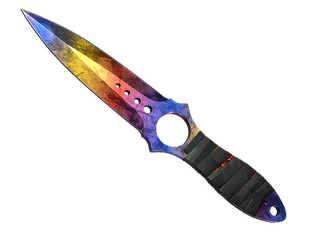
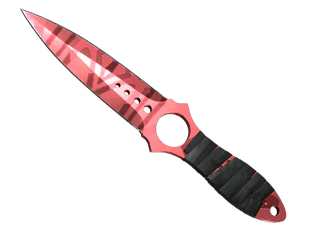
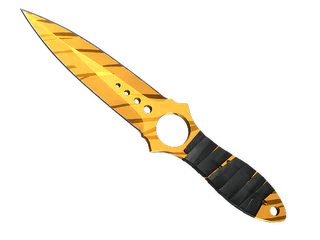
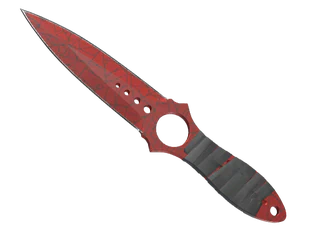
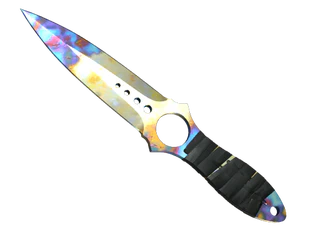
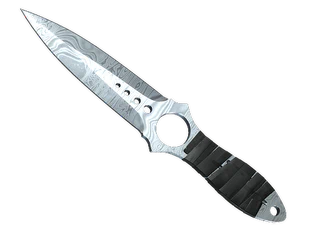
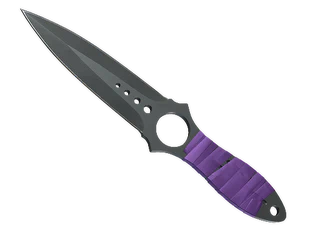
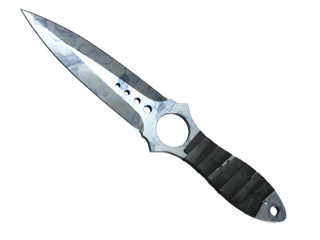
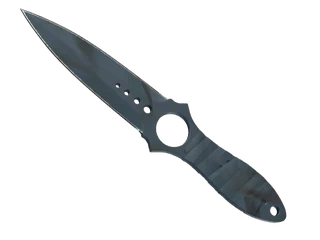
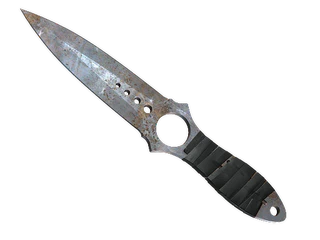
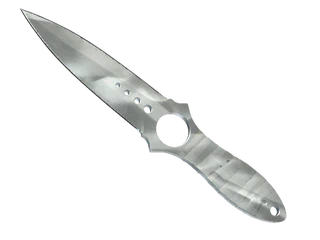
Mid-tier demand with a firm floor: the Skeleton Knife | Blue Steel lives in a mid-priced bracket where worn copies still clear the baseline while cleaner pieces pull a noticeable lift. Sellers should price by float when listing and expect the StatTrak line to trade on a separate appetite.
Mid-tier demand with a firm floor: the Skeleton Knife | Blue Steel lives in a mid-priced bracket where worn copies still clear the baseline while cleaner pieces pull a noticeable lift. Sellers should price by float when listing and expect the StatTrak line to trade on a separate appetite.
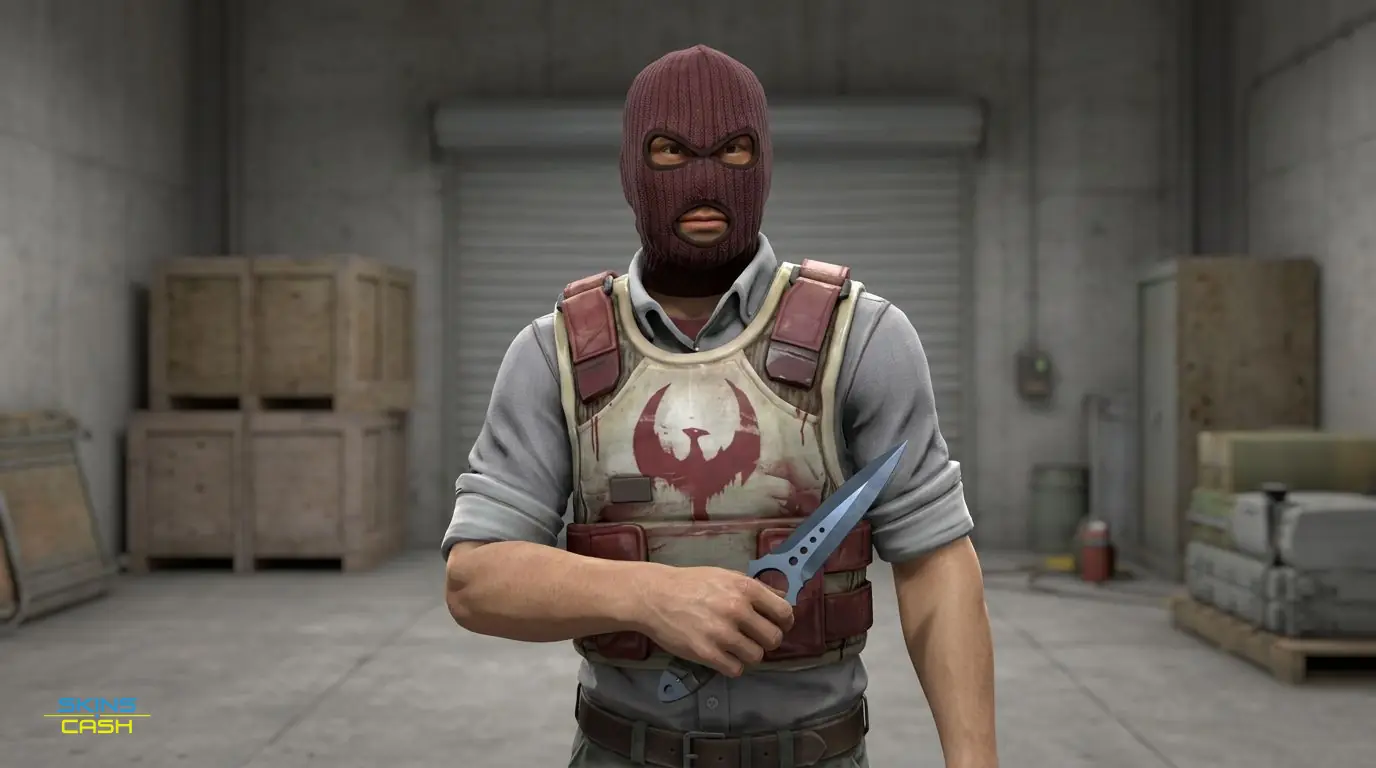
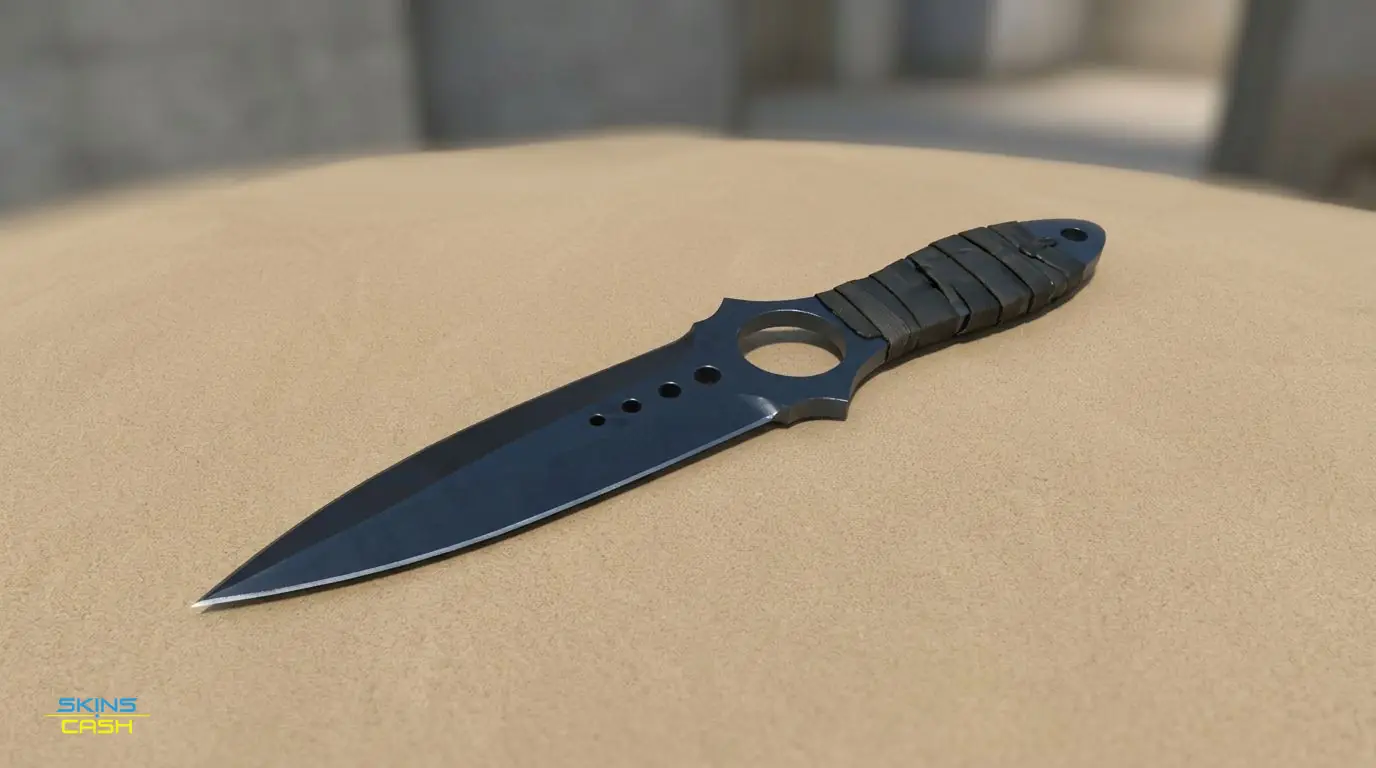
This is a mid bracket play, not a grail and not a budget filler. The Covert tier and Valve pedigree keep a solid underlayer of demand, while the mainstream profile means turnover happens but you do not get impulsive bidders; list with realistic expectations and float discipline.
The ladder leans toward a gentle slope across wears with a clearer uptick near the clean end rather than a sudden cliff. You see steady gradation from worn to pristine, with the cleanest pieces earning a compact premium relative to the rest of the range.
Mid-clean floats generally give the most skin-for-money; you avoid paying extra for the smallest optical improvements yet still get the Blue Steel patina to read in-game. Past a certain clean threshold the payout curve diminishes, so stop chasing microscopic float wins unless you need the clean look.
Worn and battle-scarred copies sit close together in payout, so micro-float differences down there barely move the needle. If you hold a rougher copy, liquidity is reasonable and relisting quickly at market band is often the right play rather than hunting a small float edge.
This knife covers the full float span, so selection matters: you can source everything from heavily worn to razor-clean and that spread is meaningful. When buying to flip, pick your float band and stick to it; mixing floats muddles comps and ruins price discipline.
Covert rarity props up the floor even when wear is heavy, so the low end doesn't crater the way cheaper tiers do. That rarity support means worn copies still clear the baseline you want to defend when liquidating.
StatTrak copies follow their own demand curve and remain a separate lane from regulars; buyers treat ST as a variant, not just a small extra. Expect steady interest for StatTrak Blue Steel knives, but price those by their own recent asks rather than tacking a fixed add-on to normals.
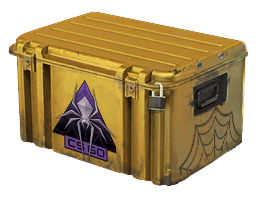
It comes from the Shattered Web Case, so supply is tied to that case's circulation and how often it turns up in drops. Case origin matters here because it defines where most copies enter the market and who is likely to be listing them.
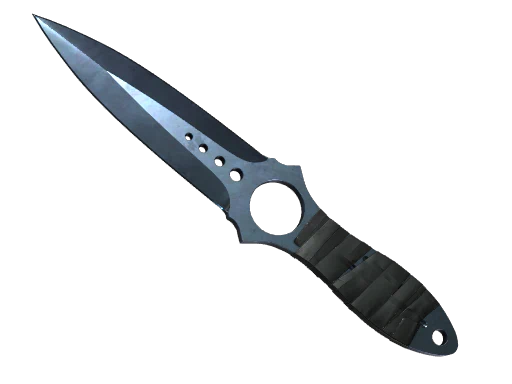
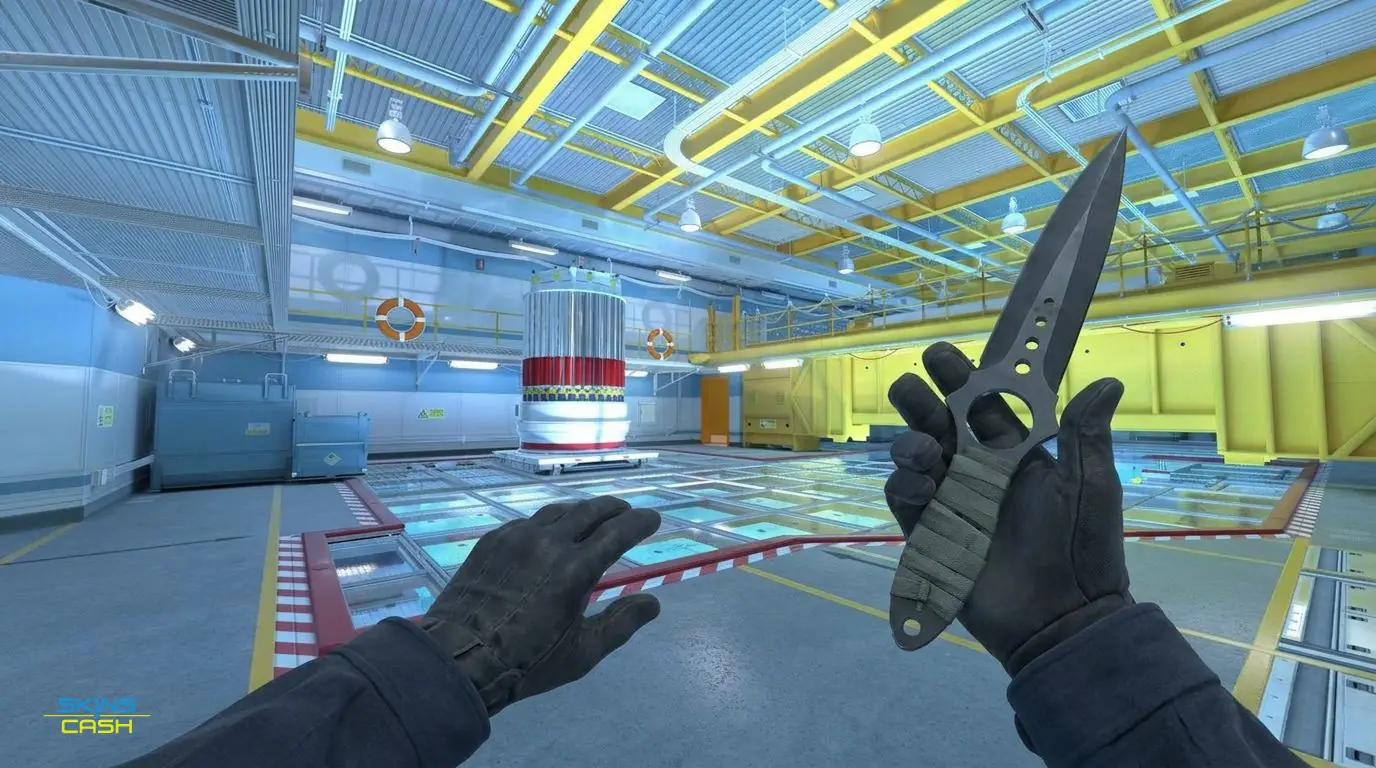
Gray patina with a Blue Steel wash keeps the blade subtle and utilitarian; the Patina finish gives the knife an understated sheen that reads clean in matches. Valve's designer stamp shows in the restrained palette, which is why the skin sits comfortably in mainstream inventories.
Short-term momentum has been drifting down softly, not crashing but losing steam compared with earlier strength. That suggests patience on the very clean pieces and a readiness to list worn units into the current band.
The usual sin is ignoring float discipline or cross-listing StatTrak and normal comps as if they were the same product. Also watch listings that confuse the Blue Steel patina with mirror or anodized finishes; use float and variant as your primary comparators.
DANK1NG has been associated with this knife, which nudges interest when he shows it. Pro linkage won't explode volume, but it tightens the bidder pool and helps the cleaner knives hold interest longer than a similar anonymous blade would.