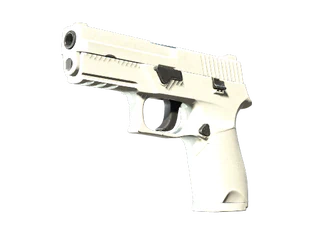
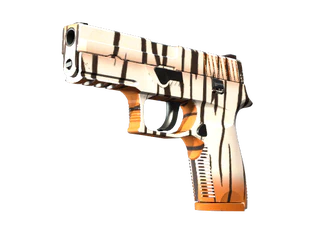
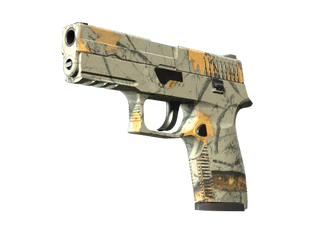
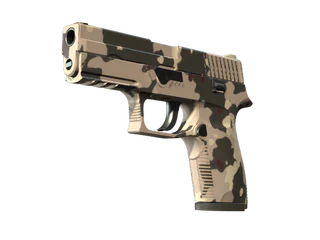
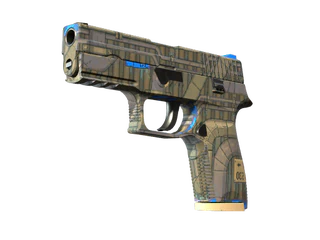
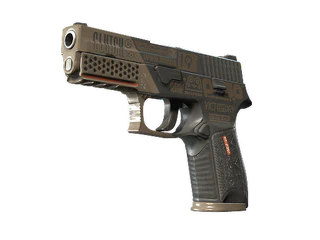
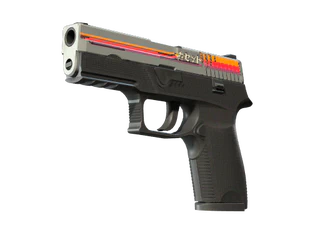
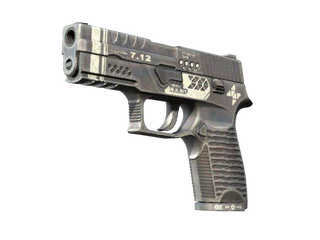
Budget pistol that trades like a thin-market specialty; most demand crowds at the nicest copies and everything else moves slowly. Clean irons and good sticker crafts are where a seller extracts real cash, while mid and worn copies typically sit on the shelf until the right buyer appears.

Budget pistol that trades like a thin-market specialty; most demand crowds at the nicest copies and everything else moves slowly. Clean irons and good sticker crafts are where a seller extracts real cash, while mid and worn copies typically sit on the shelf until the right buyer appears.
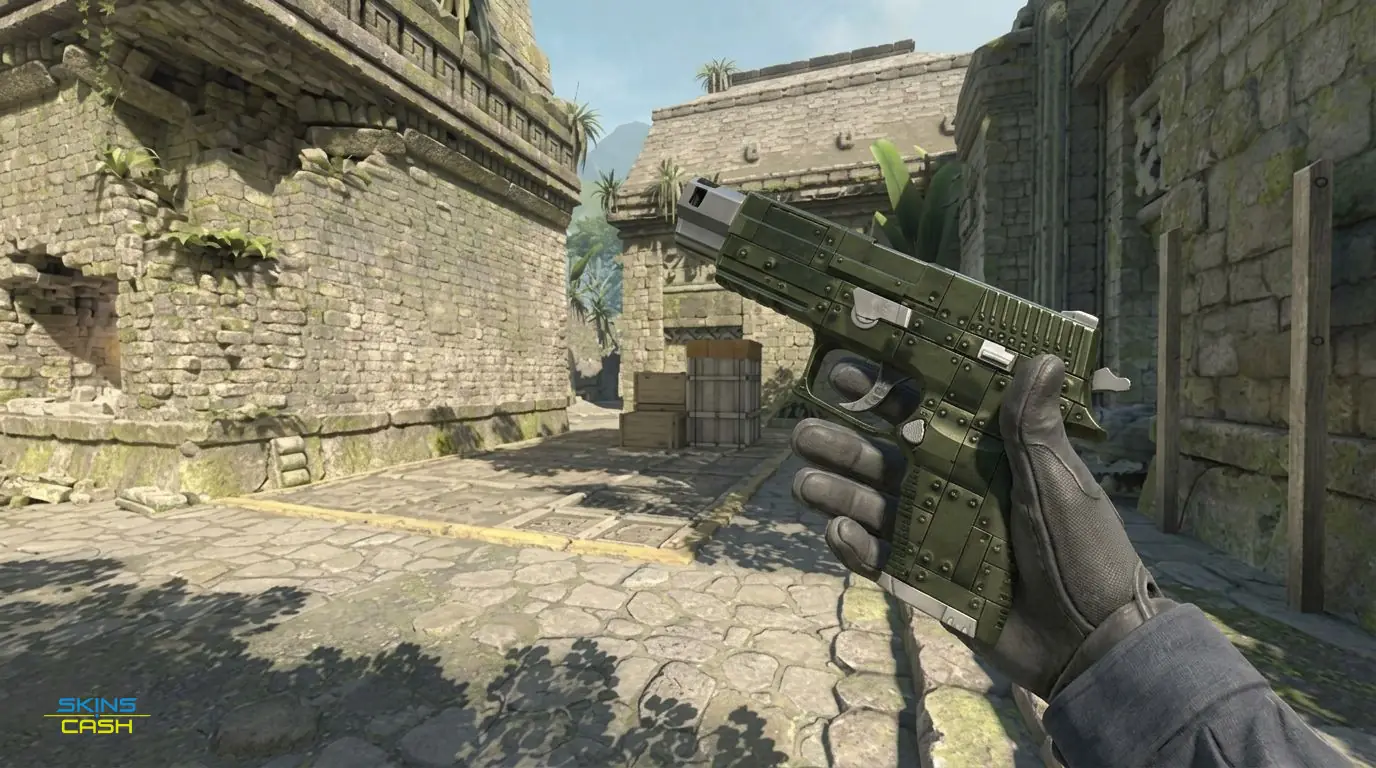
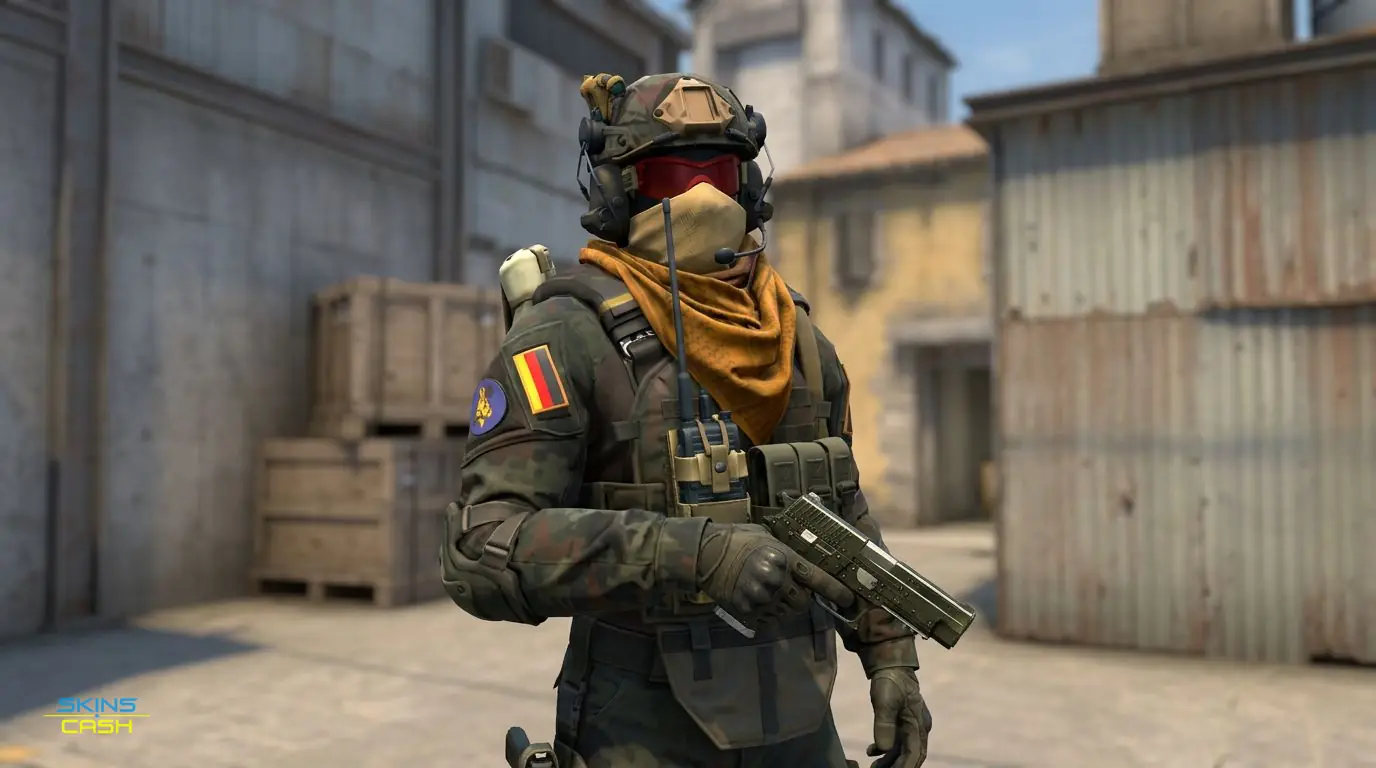
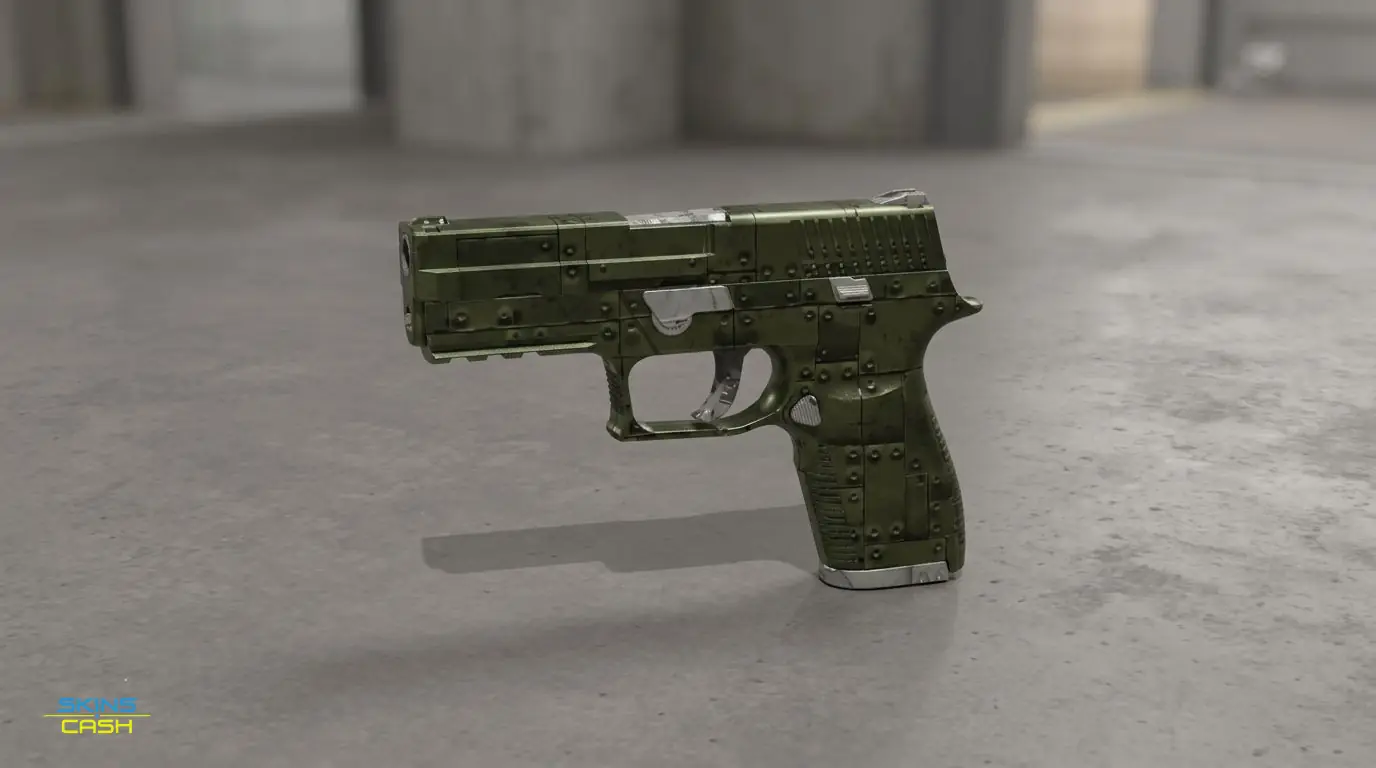
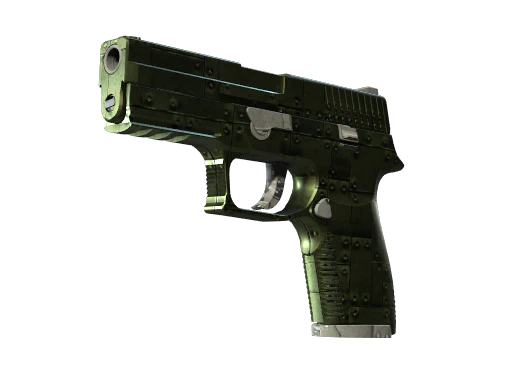
P250 | Iron Clad sits squarely in the budget bracket inside The Gamma Collection but behaves like a narrow-tier play. Traders treat it as a pocket flip: not a mass-market staple, yet liquid enough that the right float sells quickly. For a seller that means selective listings win - list clean, list clear, and do not expect immediate bids on the middles.
The ladder is a capped profile with a clear break between the top wear and the rest; pricing is not a gentle slope. Expect a steep move down from the clean end, then a series of stepped bands across the remaining wears. That shape makes targeting a specific float range more important than hoping for a gradual spread.
Because this is a thin-market skin, the gap between sticker price and what you net can be wide and inconsistent. Buyers post hard asks and often sit; sellers who accept the market must account for listing fees and the market's aversion to middles. If you want close to the sticker you need to be patient or craft an attractive listing for the clean copies.
Top-wear copies command a sharp premium, trading at multiples above the average middles. Clean irons attract collectors and players who want a discreet, gunsmith finish on a popular pistol silhouette. If you hold a very clean specimen, it concentrates disproportionate value compared with the rest of the ladder.
This finish does not span the full float spectrum, so the worst copies read cleaner than typical beat-up pistols. That compresses downside and makes the bottom of the ladder less punitive, but it also amplifies the top-end rarity. Sellers should price the bottom accordingly: it feels cleaner in hand than generic worn pistols.
Pattern index does not move the price here; there is no seed noise to hedge around. With a Gunsmith finish and no pattern-driven rarities, float and StatTrak status are the only meaningful differentiators. That simplifies pricing: check float, check variant, then set your ask.
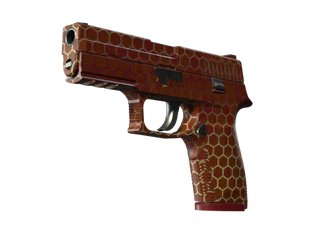
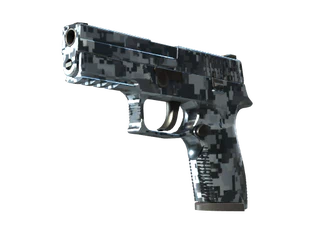
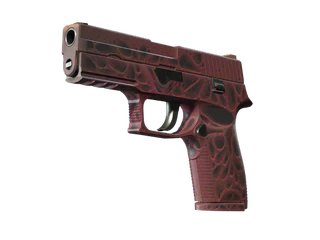
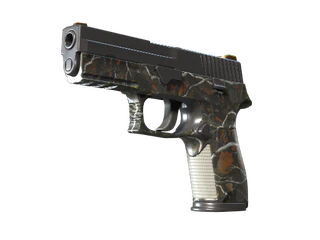
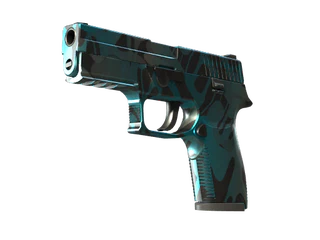
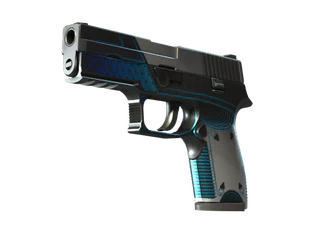
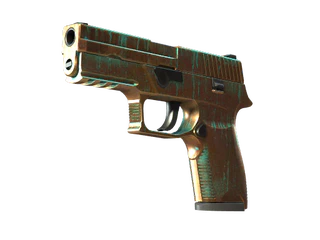
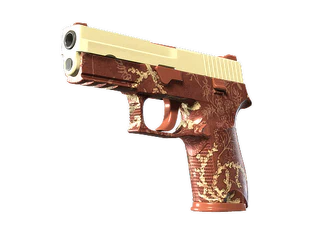
Iron Clad leans on muted metallics and a restrained industrial palette that reads like a practical work pistol in-game. The Gamma Case tones and the Gunsmith texture give it a compact, utilitarian feel that suits utility players and collectors who prefer subtle cosmetics. Designer G-99Factory kept the treatment low-key, which is why good sticker placement elevates the result.
Given the massive historical range and the recent hard downward drift, price action is jumpy and can gap on single trades. The thin-market profile means liquidity events move the quote more than usual; quiet periods produce flat, stubborn listings. Pick your moment: a patient seller can avoid volatility, but a quick exit will likely take a haircut.
A frequent error is treating middles as if the ladder were flat and pricing them like the top wear; that leaves listings stale. Another trap is mislabeling buy versus sell sides in a thin market and assuming immediate throughput. The cure: insist on accurate float labeling and price the clean end separately from the rest.
Dark, high-contrast foil stickers and team logos read best on this subdued finish, turning a plain gunsmith surface into a focal point. Good crafts with Ninjas in Pyjamas or Evil Geniuses style stickers bring out the metallic accents and lift buyer interest. A neat four-sticker layout on the body pays more than a scattergun application.