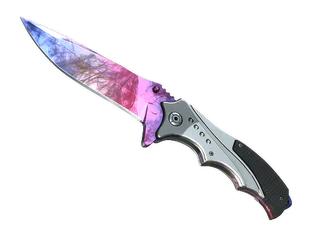
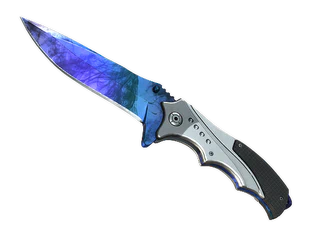
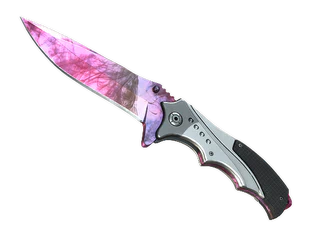
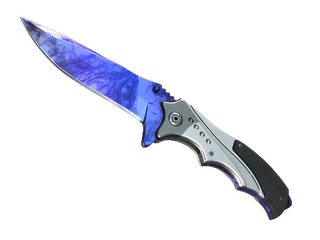
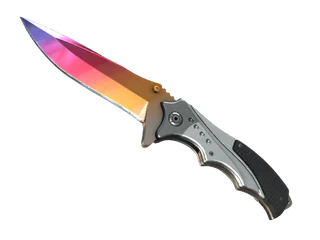
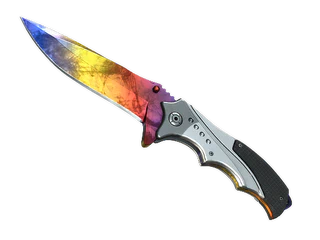
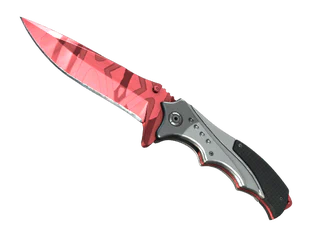
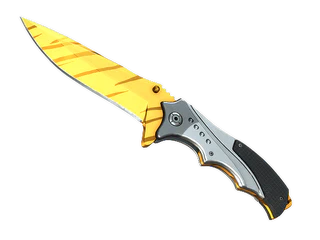
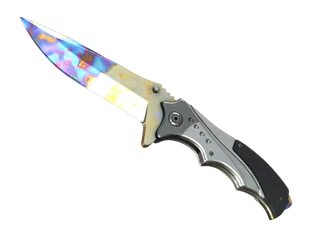
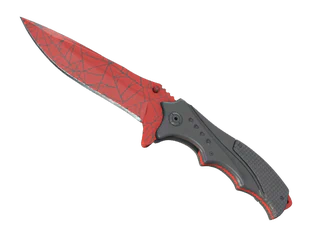
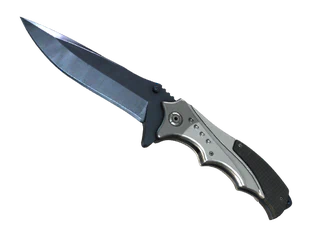
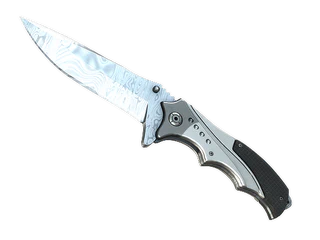
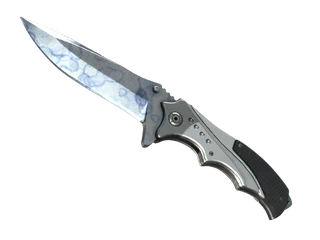
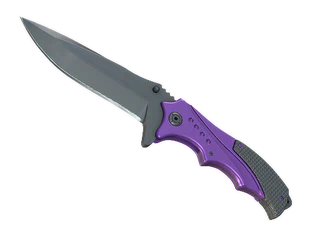
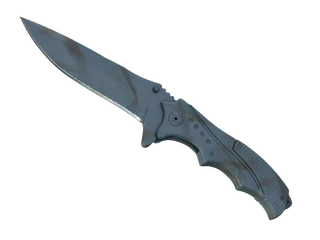
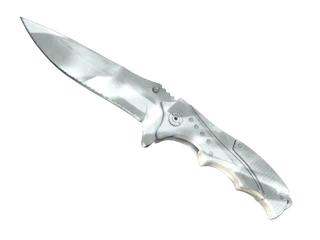
Mid-tier demand and a capped float profile make this Nomad Knife | Rust Coat a pragmatic cashout target rather than a speculative hold. Buyers focus on cleaner copies inside a wide historical range, while worn examples trade on rarity support and a compressed lower-tier spread.
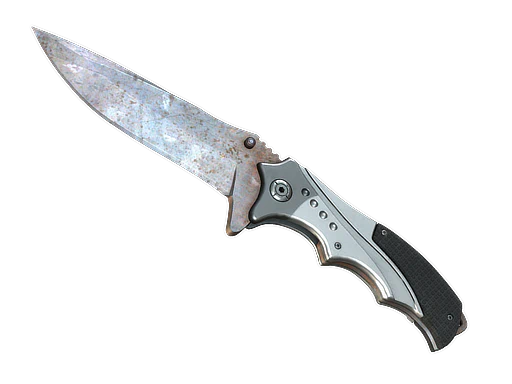
Mid-tier demand and a capped float profile make this Nomad Knife | Rust Coat a pragmatic cashout target rather than a speculative hold. Buyers focus on cleaner copies inside a wide historical range, while worn examples trade on rarity support and a compressed lower-tier spread.
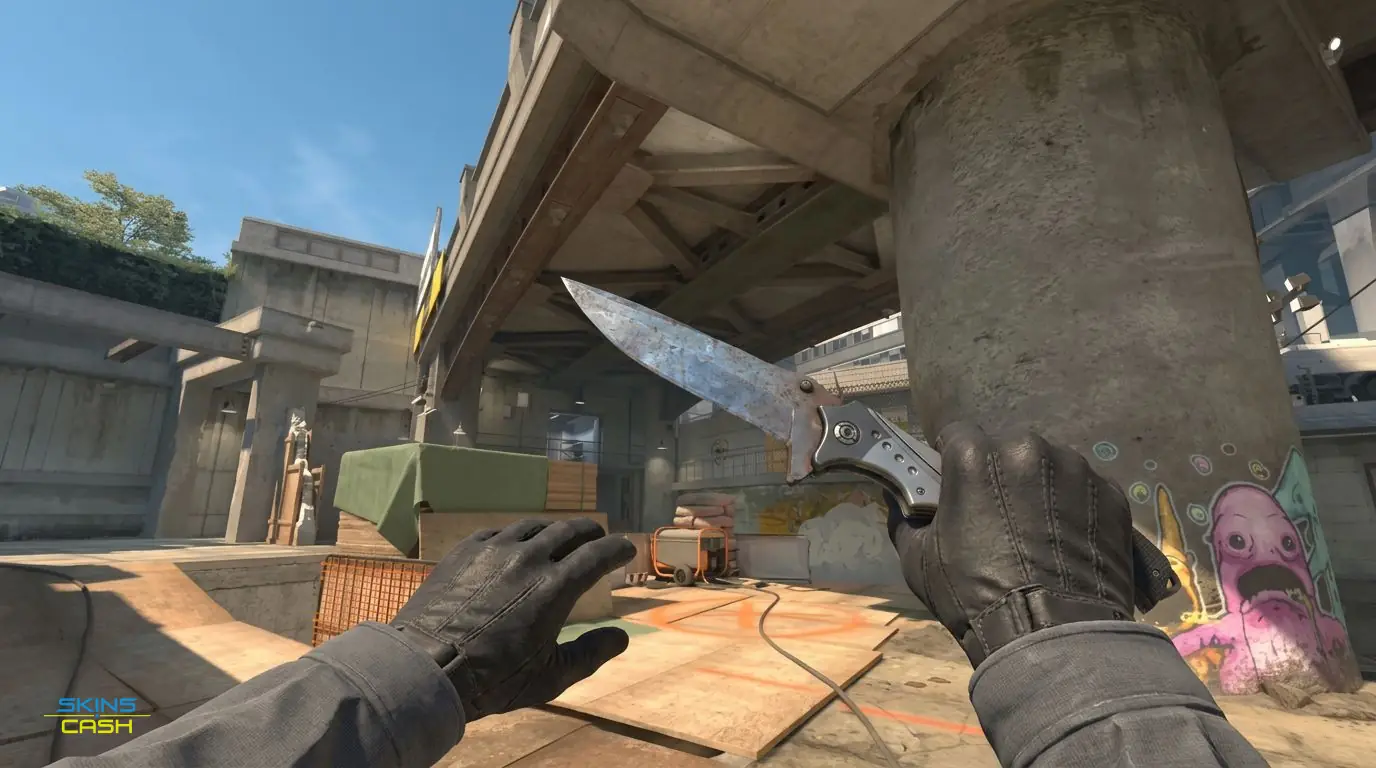

This sits squarely in the mid bracket among knives: not grail money, not budget junk. That position means steady but selective buyers-expect slower listings and decisive takers rather than impulse bids, and plan around a moderate floor that keeps worn copies tradable.
The ladder is front-loaded with a clear premium for the cleaner end and then eases into a long tail; think of a steep initial drop that softens across the remaining wears. Because there is no separate finish premium for the factory-new end, the jump is driven by float alone and then becomes gentler through the compressed lower tier.
Sticker prices on listings often sit above what a seller nets because the market here tolerates a mid-tier margin between asks and payouts. That gap widens at the cleaner end where buyers are choosier; at the worn end the compressed spread narrows what you actually collect after fees and offers.
Most buyers get the best skin-for-money in the mid-wear slices where the visual reads well but the clean-end premium has already faded. Sellers should be aware the payout stops rewarding marginally cleaner floats before the top bracket - capture gains before the ladder flattens.
Rust Coat's patina finish does not cover the full float spectrum, so the worst copies are visually cleaner than other finishes' low end. That caps downside movement and makes the bottom of the ladder behave more like a soft floor than a hard dump, which helps worn pieces avoid deep discounts.
There is no pattern influence to chase here; pattern index does not move price for this finish. Float and rarity are the drivers, so skip seed hunting and price strictly by float band and condition instead.
As a Covert knife, rarity props up values even at the worn end and underpins the moderate floor strength seen in this profile. That rarer tag keeps low-wear scarcity from collapsing entirely, giving sellers a reliable baseline when liquidity softens.
This blade issues from the Fever Case, and that origin feeds a steady supply stream into the market. Expect availability to reflect the case's circulation rather than any seasonal or tournament rotation quirks.
The overall cast leans gray with a patina finish that reads as practical and worn-in instead of flashy. Valve's design keeps it subtle in-game; the muted palette pairs cleanly with many loadouts, which is why mid buyers favor it over louder alternatives.
Short-term movement shows a soft downward drift, a continuation of a more pronounced longer-term slide. Momentum is weak rather than panic-driven; listings thin and buyers become choosier as the trend persists.
The usual missteps are ignoring the capped float profile and treating this like any other knife finish, or mislabeling StatTrak versus regular when listing. Check float first, call the variant correctly, and factor in the compressed lower-tier spread before pinning a cashout.
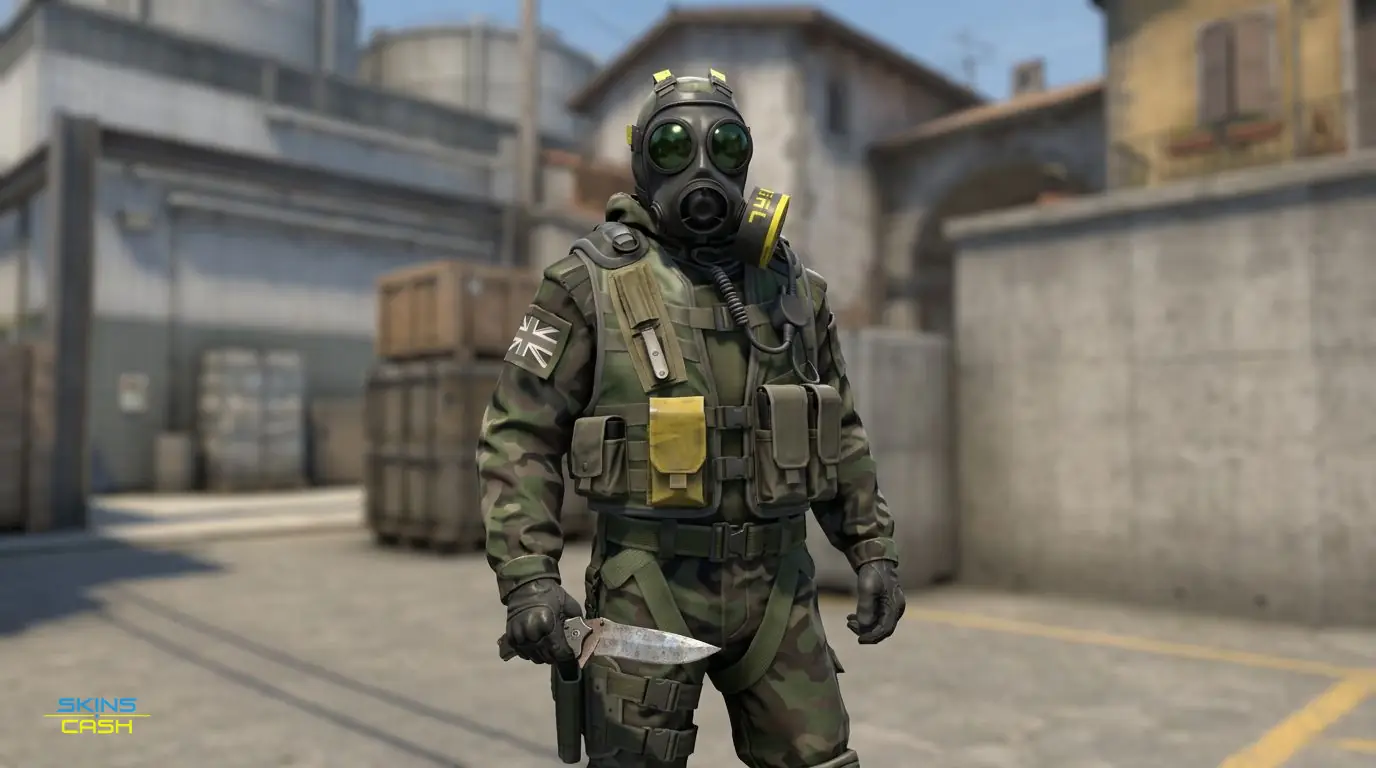
Rallen is attached to this model, which buys a modest attention bump in some markets. That name-level visibility helps demand among collectors who follow pro pickups, but it does not substitute for clean float when buyers make final offers.