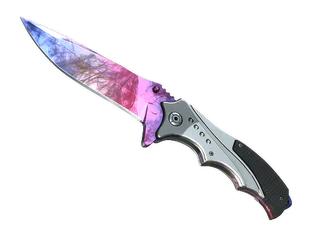
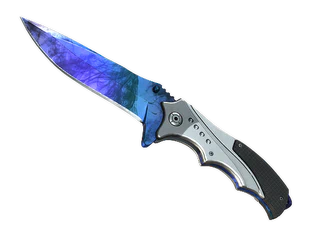
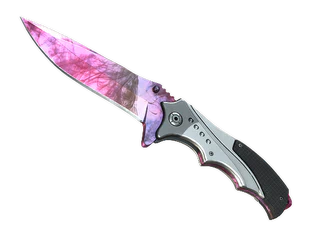
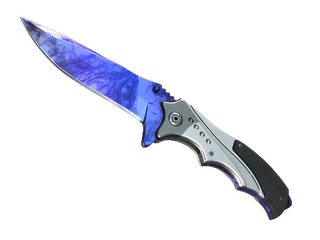
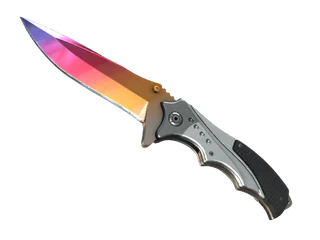
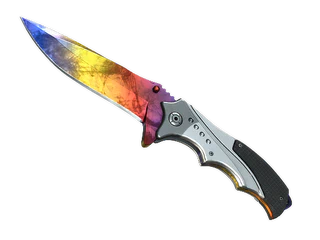
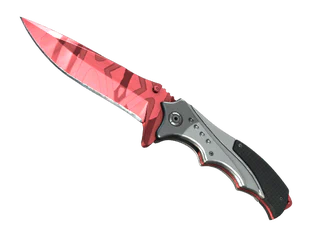
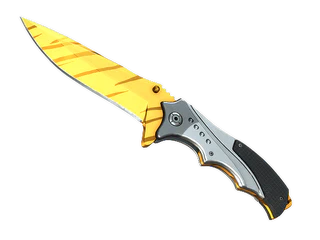
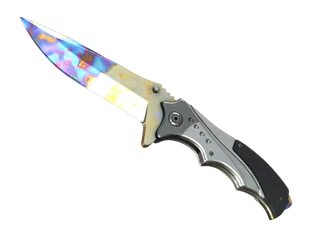
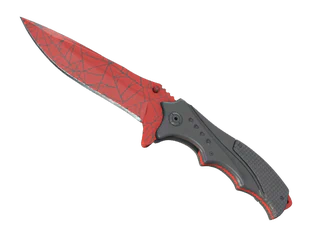
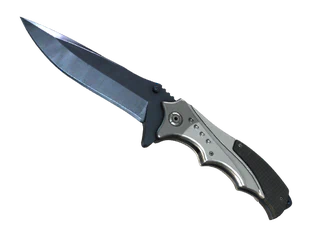
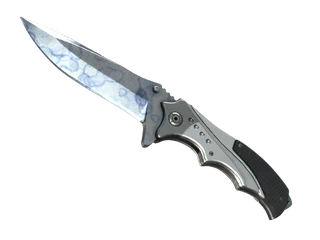
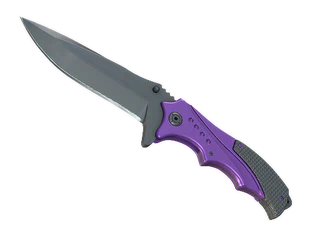
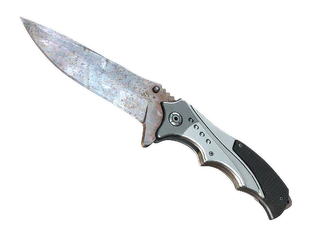
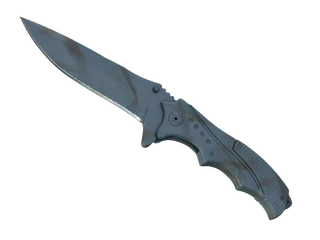
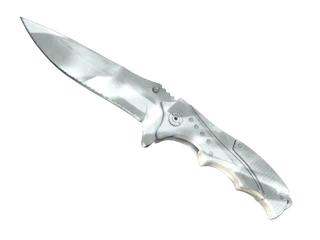
Mid-tier Nomad Knife with a clear split between common worn copies and the handful of clean ones that buyers chase; demand is steady but not frothy. If you handle a clean Patina or a StatTrak unit, you trade into a much narrower group of buyers and should time listings to when attention ticks up.
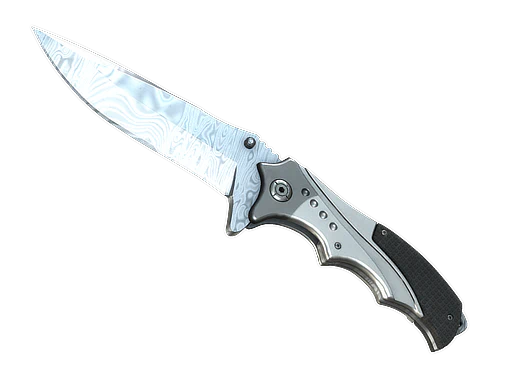
Mid-tier Nomad Knife with a clear split between common worn copies and the handful of clean ones that buyers chase; demand is steady but not frothy. If you handle a clean Patina or a StatTrak unit, you trade into a much narrower group of buyers and should time listings to when attention ticks up.
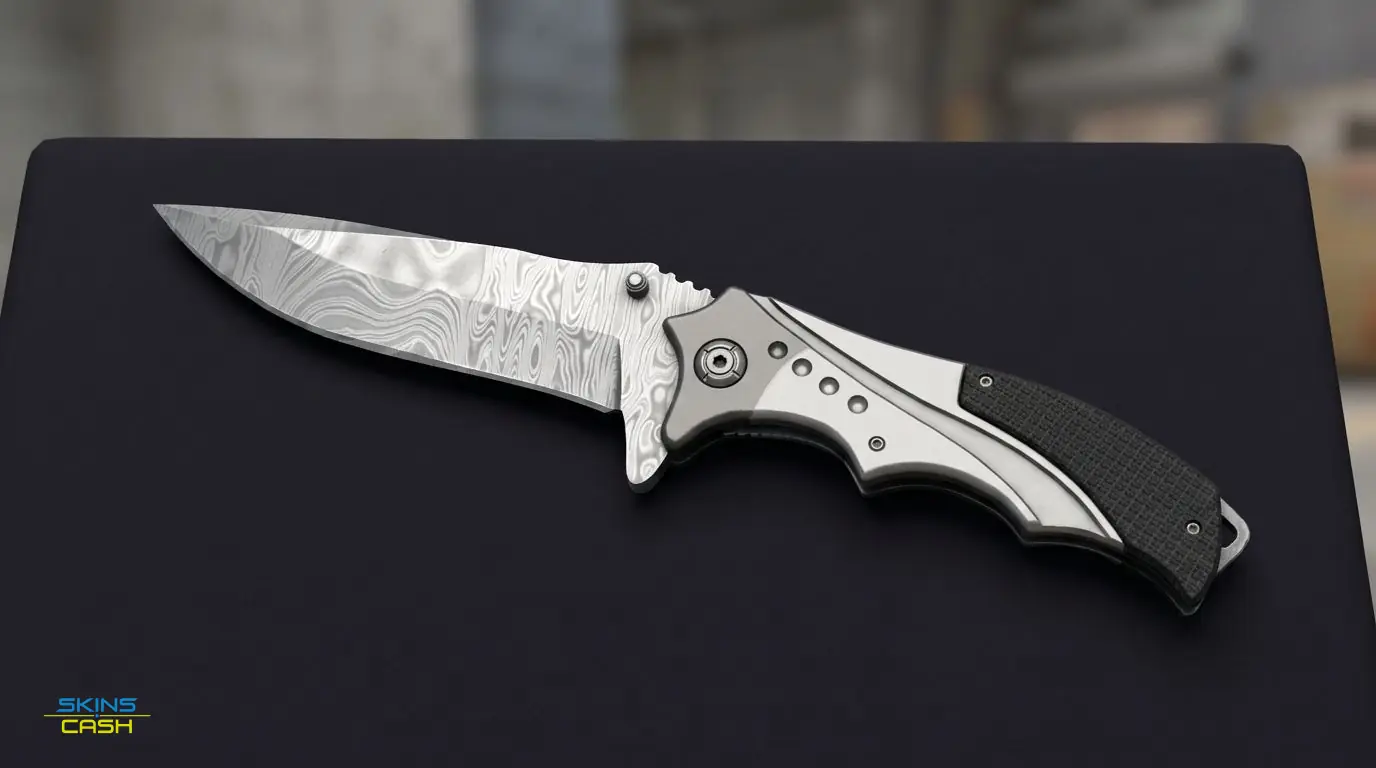
This sits squarely in the mid bracket for knives: not top-shelf grail money, but far above budget blades. That placement means turnover is workable and listings attract real traders rather than casual clicks, so sellers get decent bids if they price with the ladder in mind.
The payout curve here is a capped profile with a clear headroom at the clean end and a long, flatter run through the lower wears. Expect a distinct uptick as you move toward the cleanest Patina finishes rather than a smooth gradient; buyers pay a premium for the top segment while everything below trades in a tighter band.
Ask tags you see on market listings will often be higher than what lands in your pocket because buyers factor in fees, listing friction and the ladder gap for Patina knives. Count on a spread that widens for those rare clean copies and tightens on the common end; price your net target to the floor where demand actually sits, not the headline tag.
Lower-wear copies cluster close together in payout thanks to the compressed low-end spread, so a worn Nomad Knife rarely loses value between adjacent wear tiers. For holders of a worn copy this means mobility - you can list competitively without sacrificing much upside from tiny float moves.
Because the finish uses a capped float profile the worst-looking copies still read cleaner than a full-range Damascus Steel might elsewhere. That behavior elevates the visual floor and removes the deep tail of ugly examples, which keeps the lower market from collapsing and makes mid-range knives more saleable.
There is no pattern index play here; price follows float and wear without seed noise. Traders can ignore pattern hunts and focus on actual cleanliness and StatTrak status when valuing a piece.
StatTrak versions trade on their own curve and attract a separate buyer set, with steadier bids for collectors who want the counter. The premium is visible but not extreme; StatTrak moves you into a narrower market where patience usually pays.
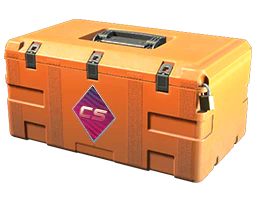
It comes from the Fever Case, and that origin keeps supply characteristic of a repeating case drop rather than a one-off release. Availability is regular enough to keep listings appearing, which temper dramatic spikes caused by single-source scarcity.
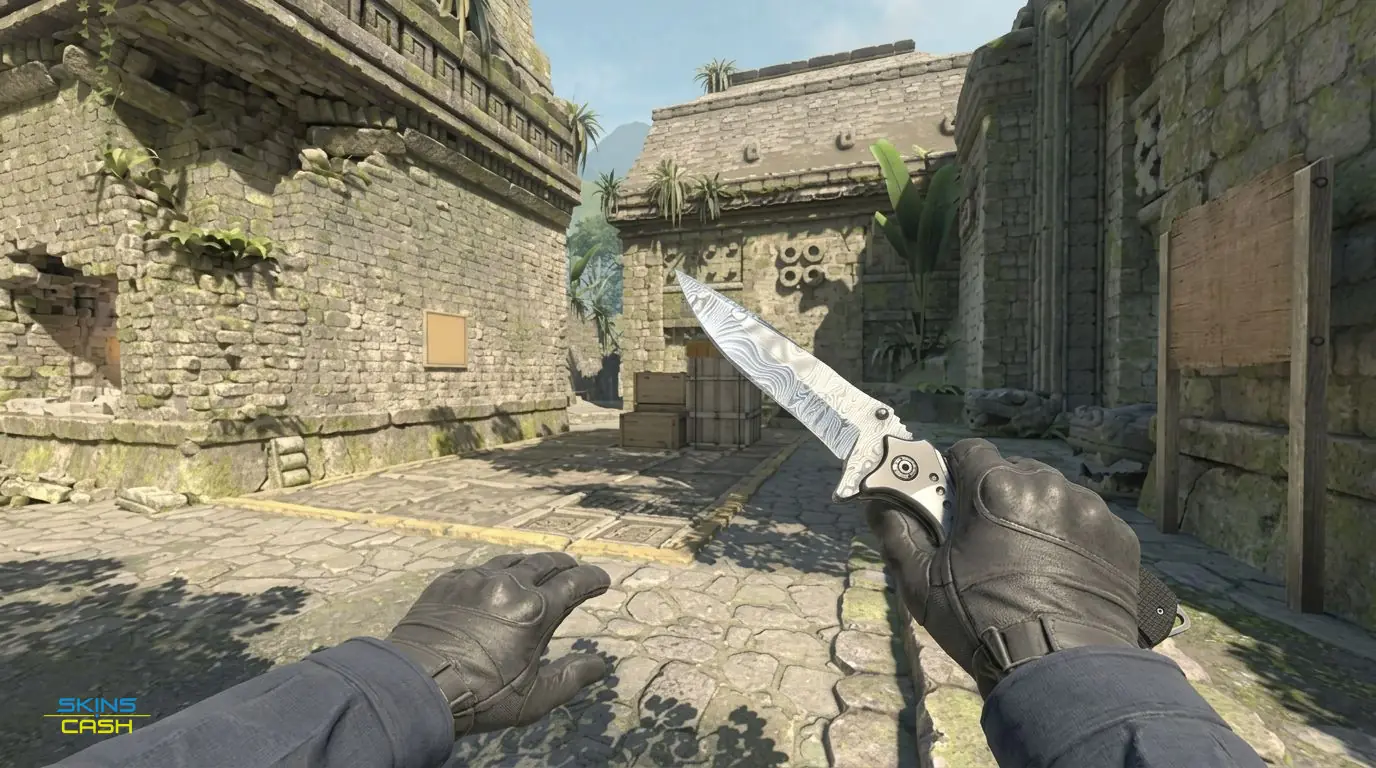
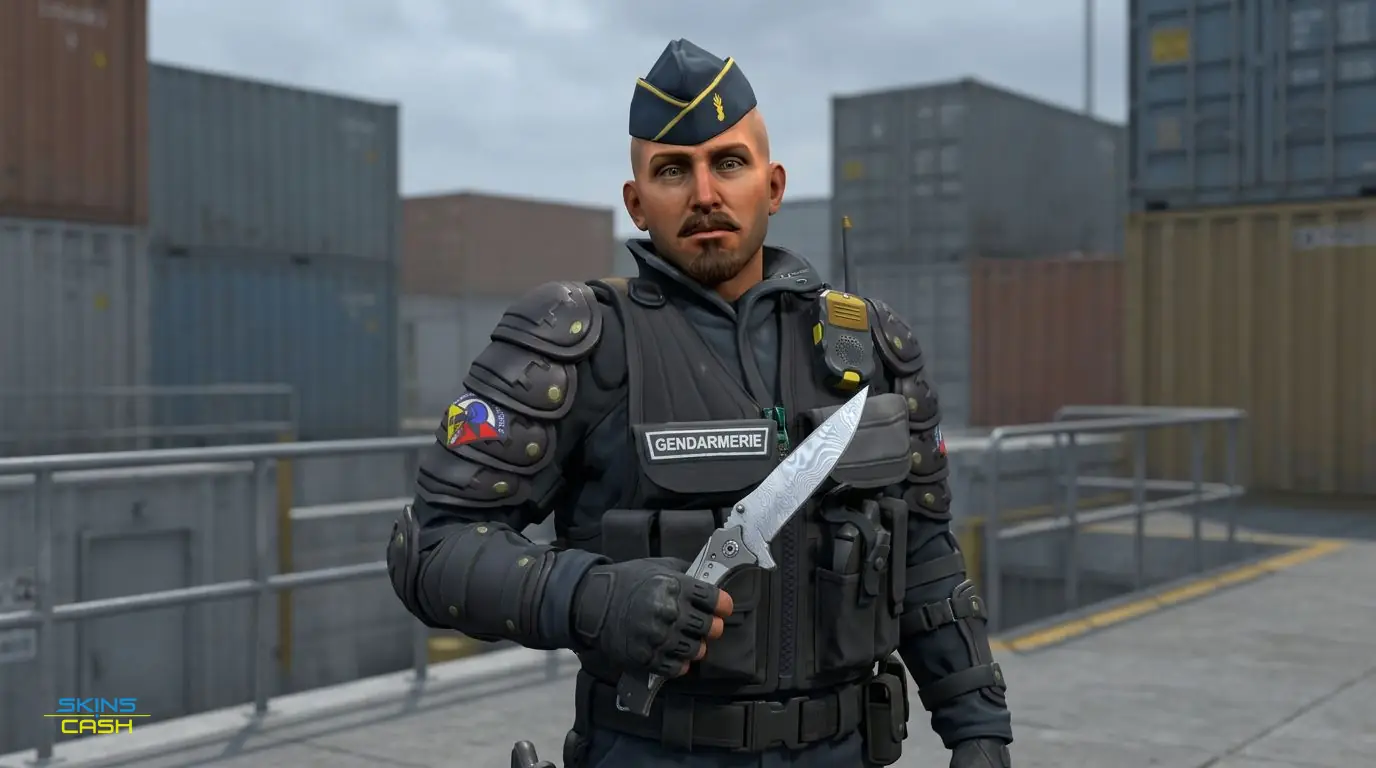
The Patina finish leans white and subdued rather than loud, and Valve's designer hand shows in restrained contrasts that read clean in-game. The blade sits well on most backgrounds; it catches light without shouting, which is why buyers who favor elegant knives notice it.
Short-term action has been gently positive after a longer period of downward re-rating, so listings show more bids than before but momentum is soft. The market is not frenzied; moves come in small bursts rather than runaway runs.
Sellers often price by the visible listing tag or ignore the capped float behavior, which overstates how much a worn copy will fetch. Avoid mislabelling StatTrak status and always check float placement inside the Patina band before setting your cashout target.
Hyper is the named player linked to this knife, and that single name nudges attention among collectors who follow player choices. It doesn't create a constant premium, but it brings episodic demand spikes when Hyper is in focus.