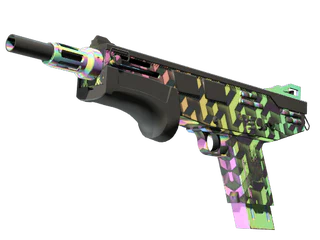
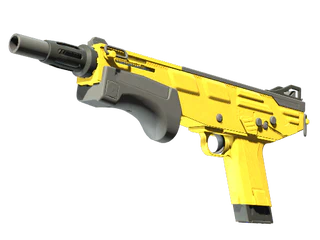
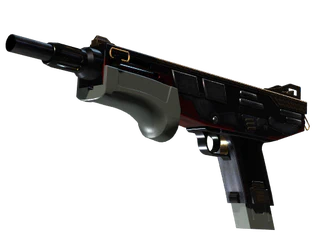
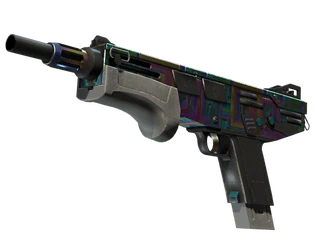
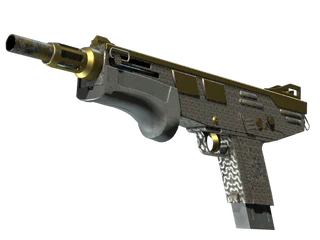
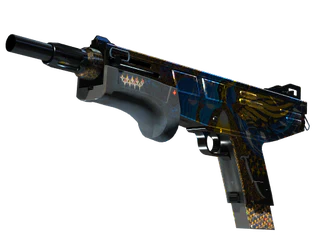
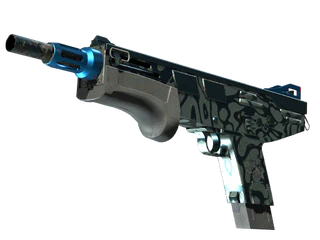
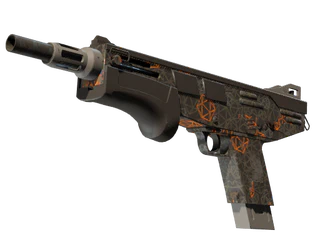
Budget-tier MAG-7 SWAG sits in a thin market where demand is concentrated at the clean end and StatTrak copies pull extreme premiums. Liquidity is patchy and the cashout window favors sellers who time the brief upticks rather than chase every dip.
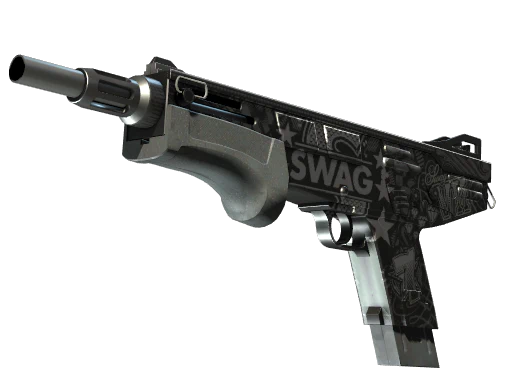

Budget-tier MAG-7 SWAG sits in a thin market where demand is concentrated at the clean end and StatTrak copies pull extreme premiums. Liquidity is patchy and the cashout window favors sellers who time the brief upticks rather than chase every dip.
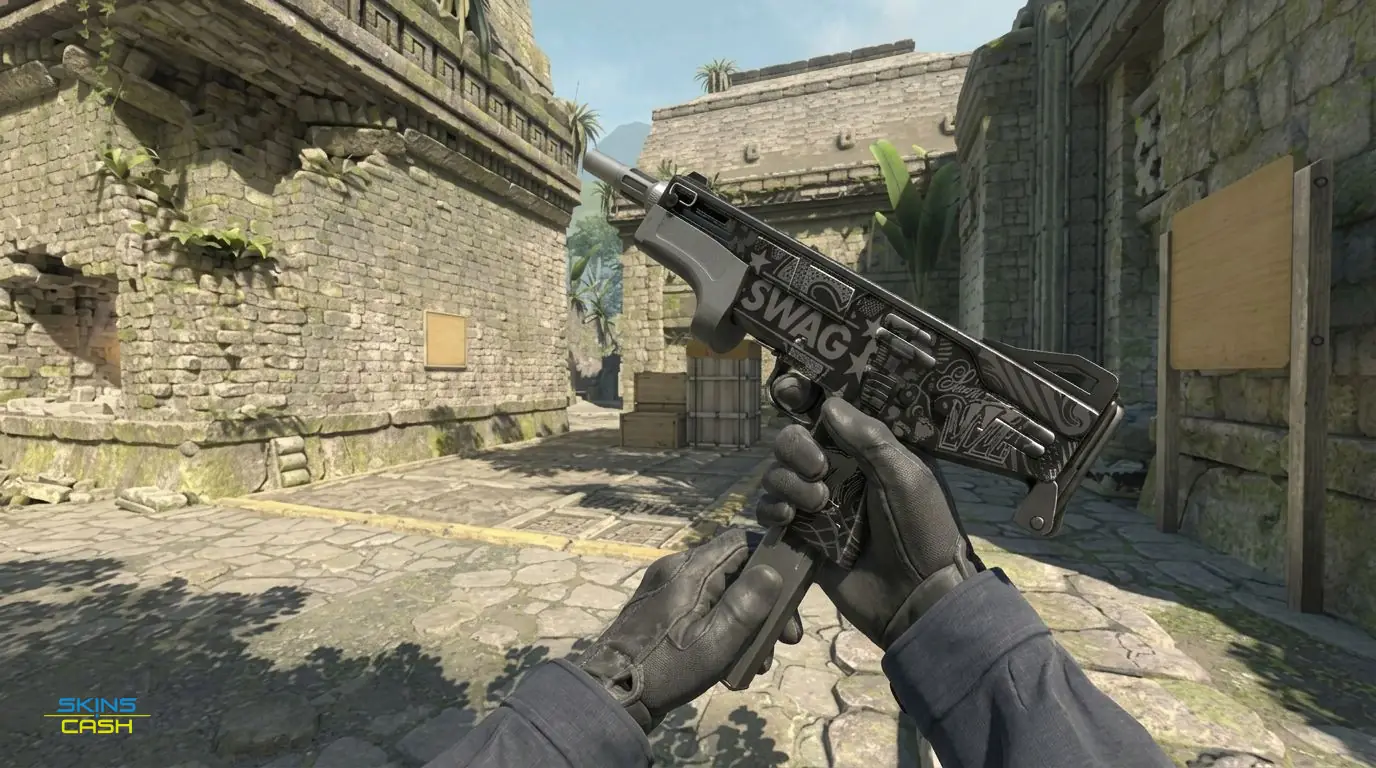
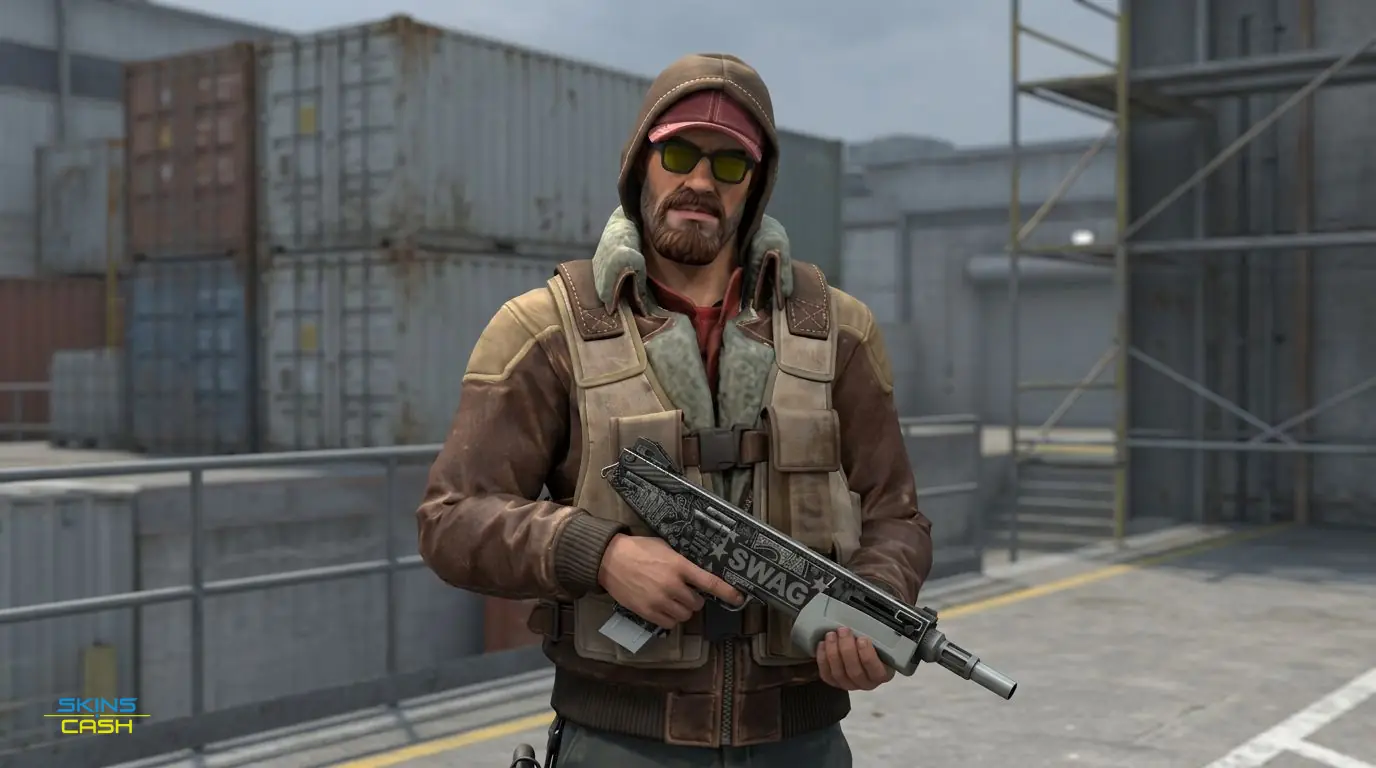
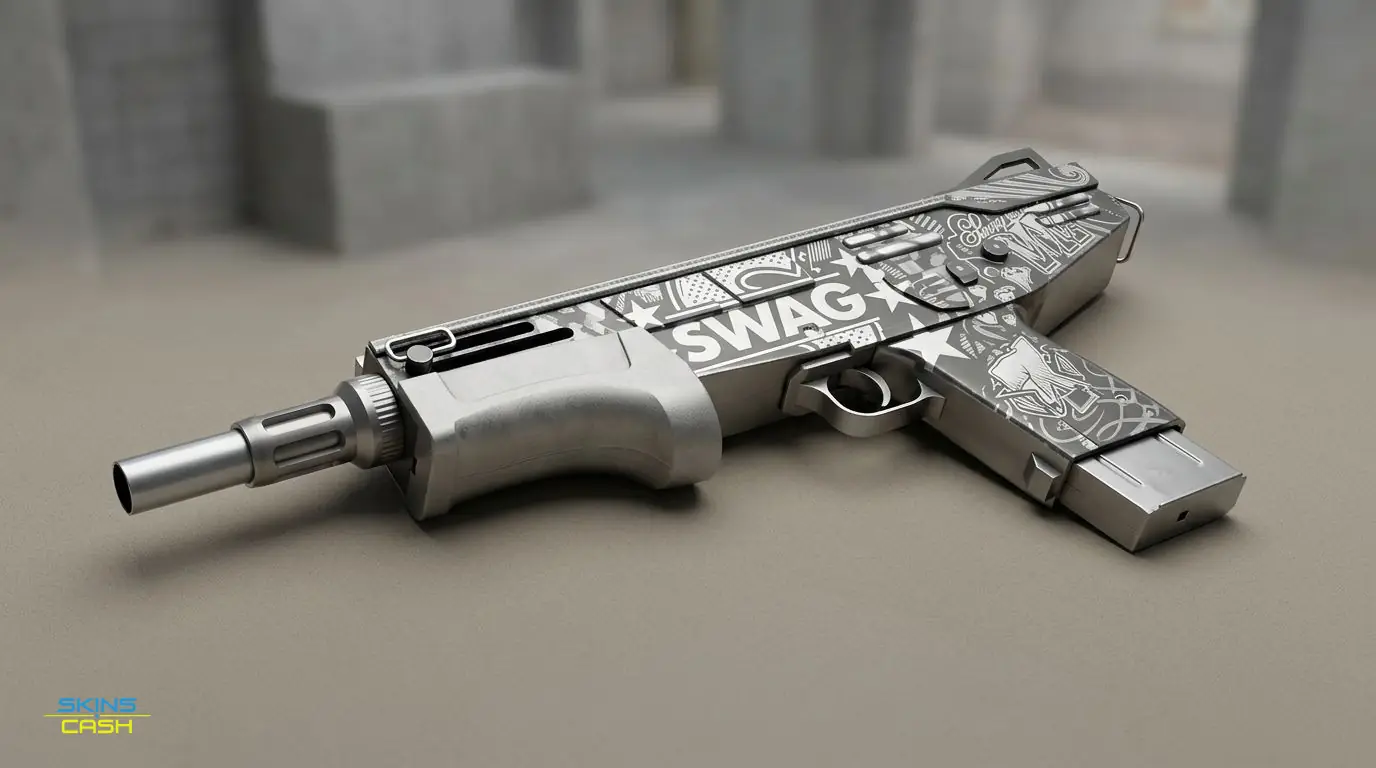
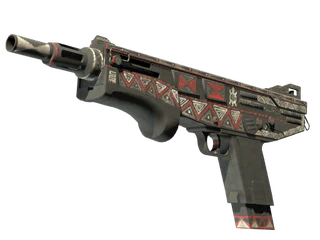
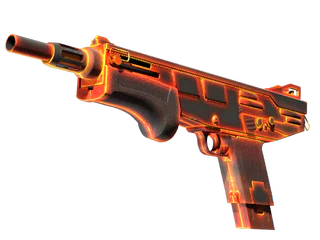
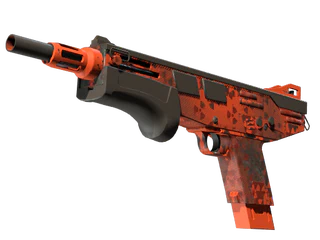
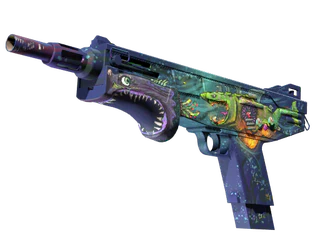
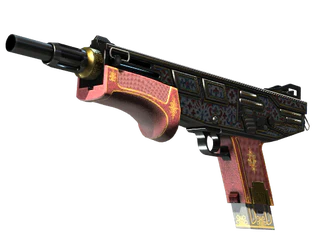
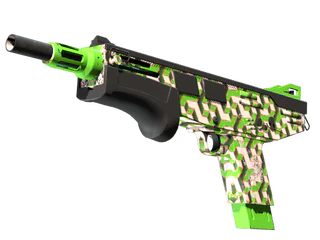
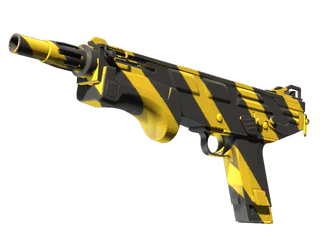
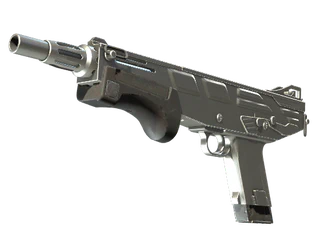
This is a budget restricted shotgun from The Clutch Collection with a patina finish and a designer tag players pay attention to. Thin-market dynamics mean most listings idle until a buyer who wants the look and the name steps in, so sellers treat it like a niche flip rather than a fast mover. Expect selective interest tied to the rarer StatTrak copies and the pro decals some buyers chase.
The ladder here is capped and stepped: value stacks at the top wear and then drops in clear bands through the lower tiers. Clean copies command outsized premiums relative to the rest, while mid and lower wears form a flatter, more predictable band. That stepped layout makes precise float placement more valuable than marginal improvements in pattern.
Because the market is thin, the spread between the seller sticker and what you actually net is wide and noisy. Buy orders sit well below asks and individual buyers tend to pick through listings, so your listing price needs to factor in a bigger haircut. With StatTrak in play the gap grows further-buyers price in rarity and patience, not the sticker alone.
For risk-adjusted skin-for-money the mid-clean rung is the pragmatic spot: you avoid the extreme premium on flawless copies while keeping appeal for most buyers. The payout curve stops rewarding tighter float once you fall into the lower capped band, where the patina finish and dark palette no longer move buying intent. Tailor sells to where the premium per float point still justifies effort.
This patina finish does not span the full float spectrum, so even the worst copies read cleaner than a typical worn MAG. That compression concentrates supply in a narrower band and dials down the number of true bargain outliers. Sellers should treat the bottom end as more marketable than the word "worst" would imply.
There is no pattern-driven noise here; pattern index does not alter how the skin reads, so float and StatTrak status are the only meaningful levers. That simplifies pricing: you do not need to price around rare pattern stars, just the float bands and sticker work. For traders that removes a layer of guesswork.
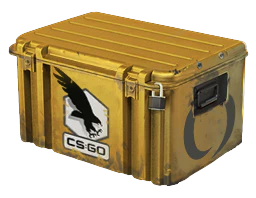
Being in The Clutch Collection gives it steady, if specialist, attention-players opening Clutch Case or browsing that collection notice the designer credit and the black-gray patina look. The Honey Badger tag and pro-player associations pull collectors who care about lineage, not mainstream collectors chasing trend rotations. That keeps a trickle of interest alive even when the broader market is quiet.
All-time movement has been massive across copies, driven by episodic demand spikes and the StatTrak split. Today the skin sits somewhere inside that wide band rather than at the extremes, which means sellers can still catch infrequent highs but should expect long stretches of lower activity. If you need speed, price toward the lower side of the historic swing.
If you plan to buy to flip, treat asks like a negotiation starting point: pick listings that already trade and avoid chasing fresh, high stickers in a thin market. Wait for the stepped bands to present clear entry levels and prefer buys that leave room to an expected seller haircut. Patience beats urgency here.
Dark palette and patina play nicely with bold team decals; FaZe and Evil Geniuses style stickers read clean and lift perceived value more than subtler options. A tight craft with high-recognition stickers and a StatTrak tag is where you catch buyer attention and push the payout past typical listings. Avoid cluttered sticker layers that mask the designer finish.