Mid-tier demand with a firm floor - the M9 Bayonet Forest DDPAT sits where collectors and mainstream buyers meet. Capped floats and a compressed lower spread keep the worst copies from collapsing, but the one-year tone has been down; sellers watch the clean end for serious bids.
Mid-tier demand with a firm floor - the M9 Bayonet Forest DDPAT sits where collectors and mainstream buyers meet. Capped floats and a compressed lower spread keep the worst copies from collapsing, but the one-year tone has been down; sellers watch the clean end for serious bids.
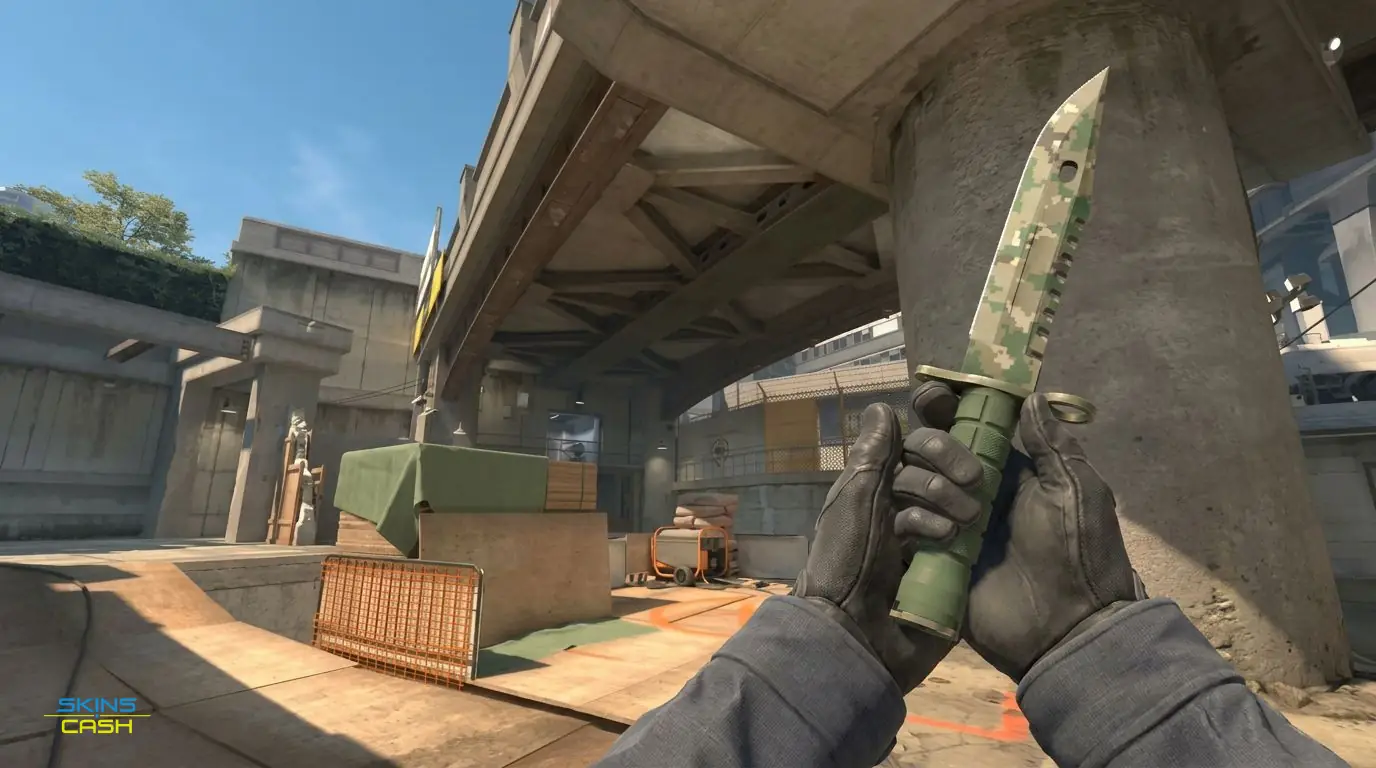
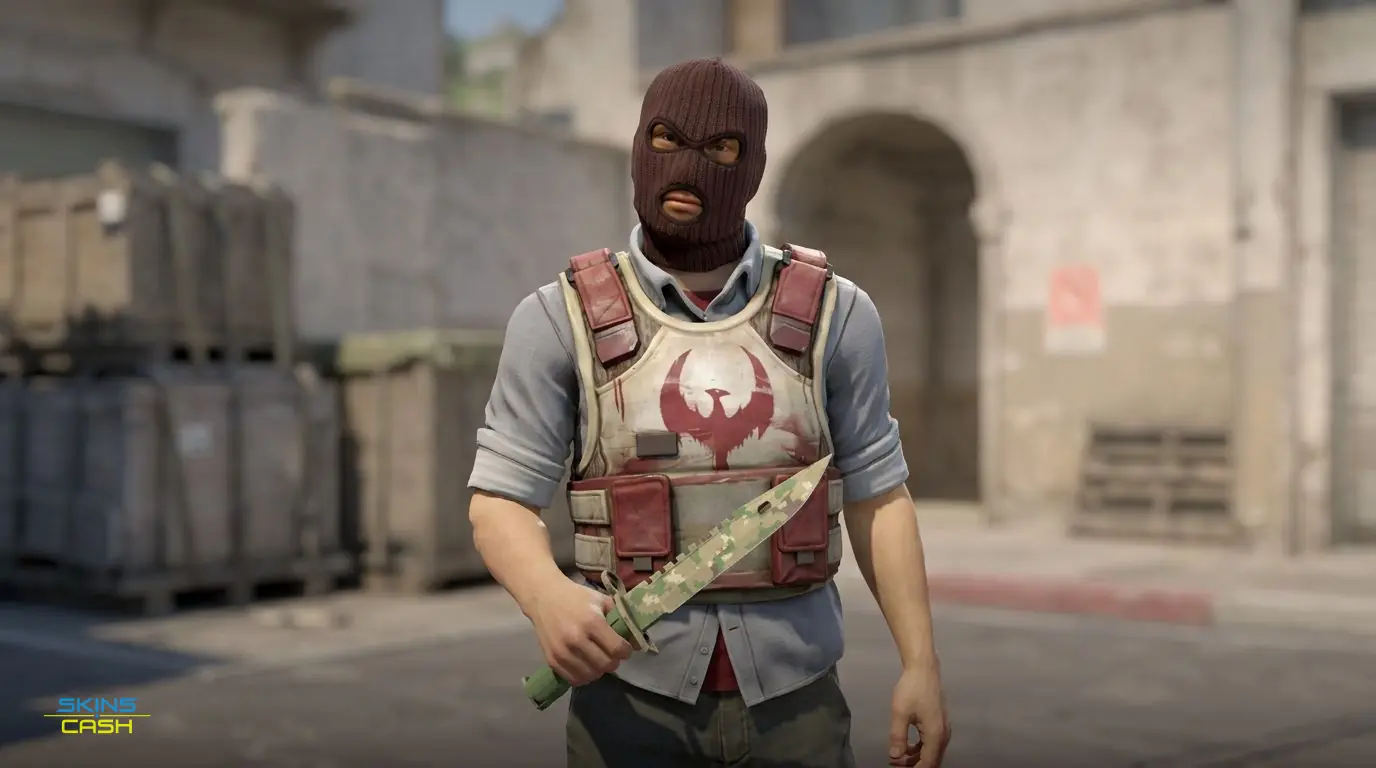
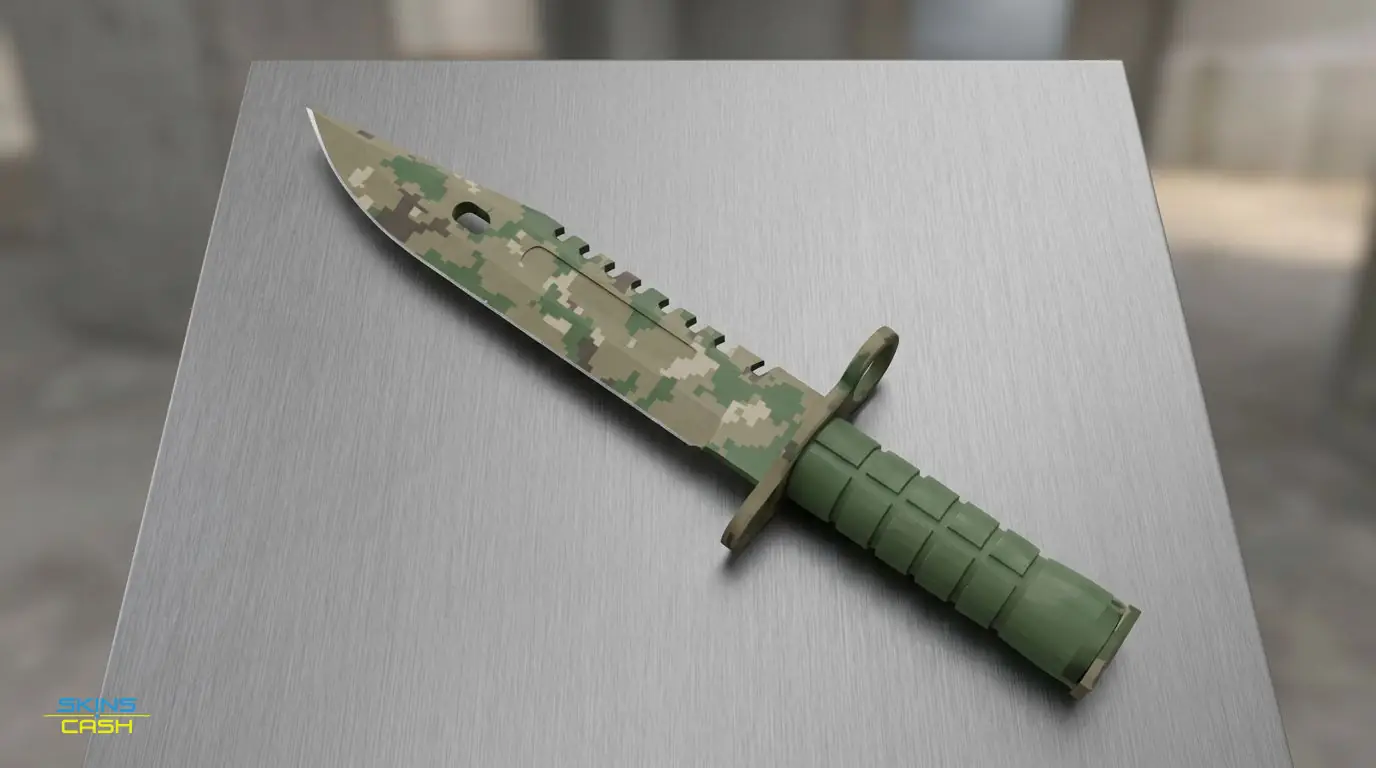
The M9 Bayonet Forest DDPAT trades in the mid bracket: not grail money but far from budget churn. That positioning means workmanlike buyer pools - steady, selective, and sensitive to wear - so a seller can expect reliable interest without the frenzy of top-tier knifes.
The ladder is skewed toward the clean end with a clear kink where value concentrates; there is a capped float profile that compresses the bottom. Expect a tight climb from worn to near-clean, then a steeper climb into the very low wears where collectors step in.
Listings and sticker prices sit noticeably above what lands in your hand because of buyer friction and listing markup; when supply is soft the gap stretches, and when the ladder drifts down it compresses. For this mid-tier bayonet, the compressed lower-tier spread means the haircut on genuinely worn copies is smaller than on chaotic markets.
For value hunters the mid-to-high wear bands usually give the best skin-for-money - attractive in-game visuals without bleeding premium. The payout stops rewarding marginally cleaner floats once you clear into the collector band, where incremental float gains no longer move many buyers.
Because the finish is capped, the "worst" copies look cleaner than a full-range finish would, so baseline supply behaves more like a polished mid than a true battle-scarred outlier. Sellers should not expect a long tail of dump-tier items; the bottom of the ladder holds firm and trades more like a muted low-mid.
StatTrak exists and follows its own demand curve, often inverted relative to antiques: the market sometimes prefers clean non-ST for display while other buyers insist on tracking for play. StatTrak copies will trade apart from normals, and you should price them as a separate stack rather than folding them into bulk offers.
Being Covert underpins the floor for even the duller copies; the rarity grade props up bids that would otherwise sit idle. That support makes low-wear resistance real - worn examples rarely crater the way common items do.
This blade drops from the CS:GO Weapon Case, so supply flows with standard case cycles rather than boutique releases. The case origin means availability is tied to long-running drops, keeping reissues and surprise scarcity unlikely.
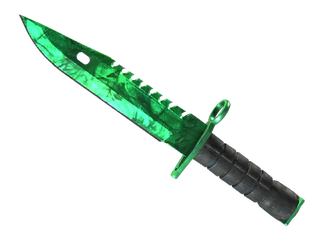
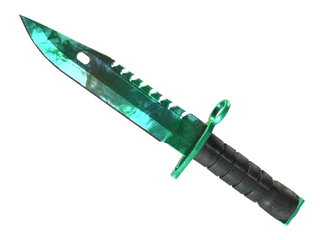
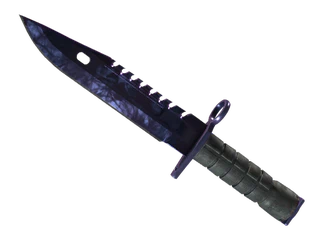
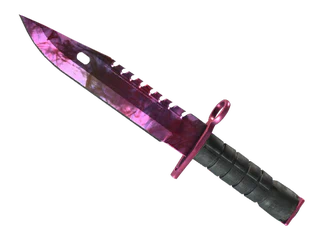
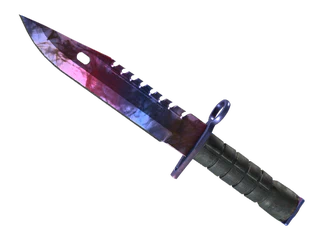
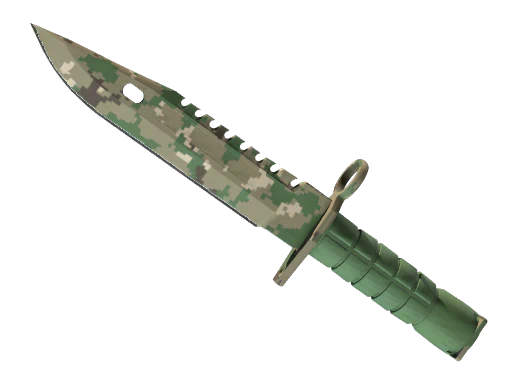
Green dominates the palette and the hydrographic finish gives a clean, military fabric look that reads well at distance. Valve's touch on this pattern keeps it utilitarian in-game: it blends with foliage yet still shows up on spins and inspect screens.
Over the last month the skin has drifted down softly, while the year-long view is a harder downward slope. Short-term sellers face softer bids; patience buys a better chance at catching a rebound in the clean end.
Traders often misprice by ignoring the capped float and treating this like an open-range knife; that overvalues the worn end. Another typical error is lumping StatTrak with normals - price them separately and check live spreads before committing.
Among players and traders this bayonet is respected as a practical mid-tier piece: liked for looks, not hoarded as a grail. That steady, mainstream sentiment keeps turnover regular and buyers reachable without niche chasing.