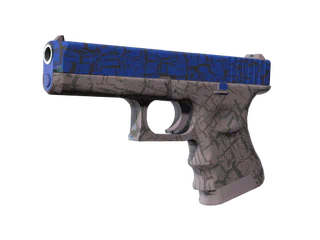
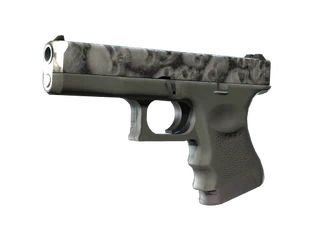
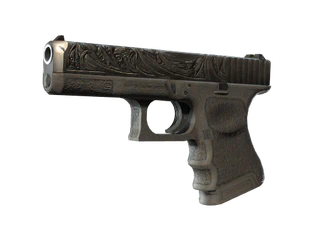
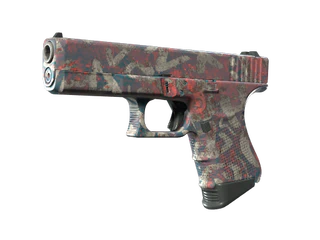
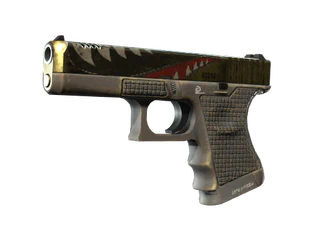
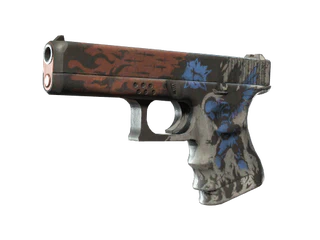
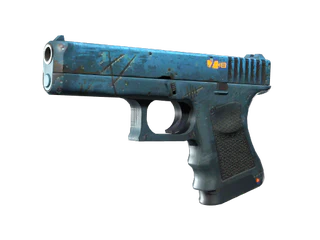
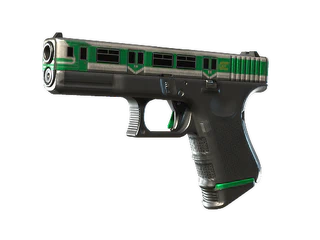
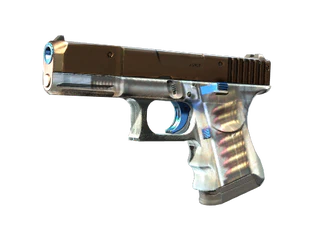
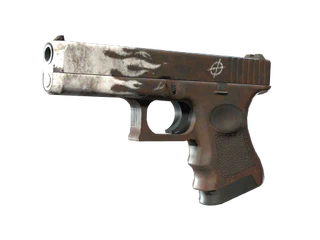
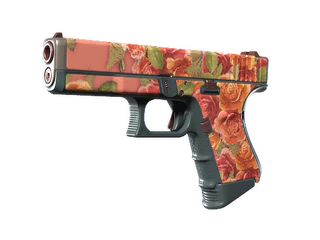
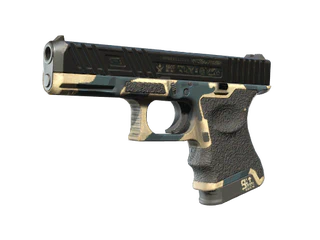
This Glock-18 | Ironwork sits squarely in the mid market and moves when the clean copies appear; buyers are selective but active after a recent uptick. If you plan to cash out, focus on float and whether the piece is Stattrak - those two factors drive separation at listing time.
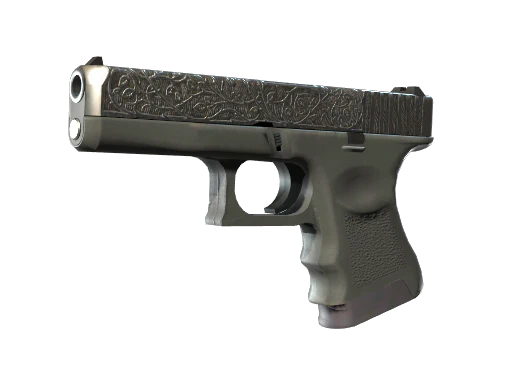

This Glock-18 | Ironwork sits squarely in the mid market and moves when the clean copies appear; buyers are selective but active after a recent uptick. If you plan to cash out, focus on float and whether the piece is Stattrak - those two factors drive separation at listing time.
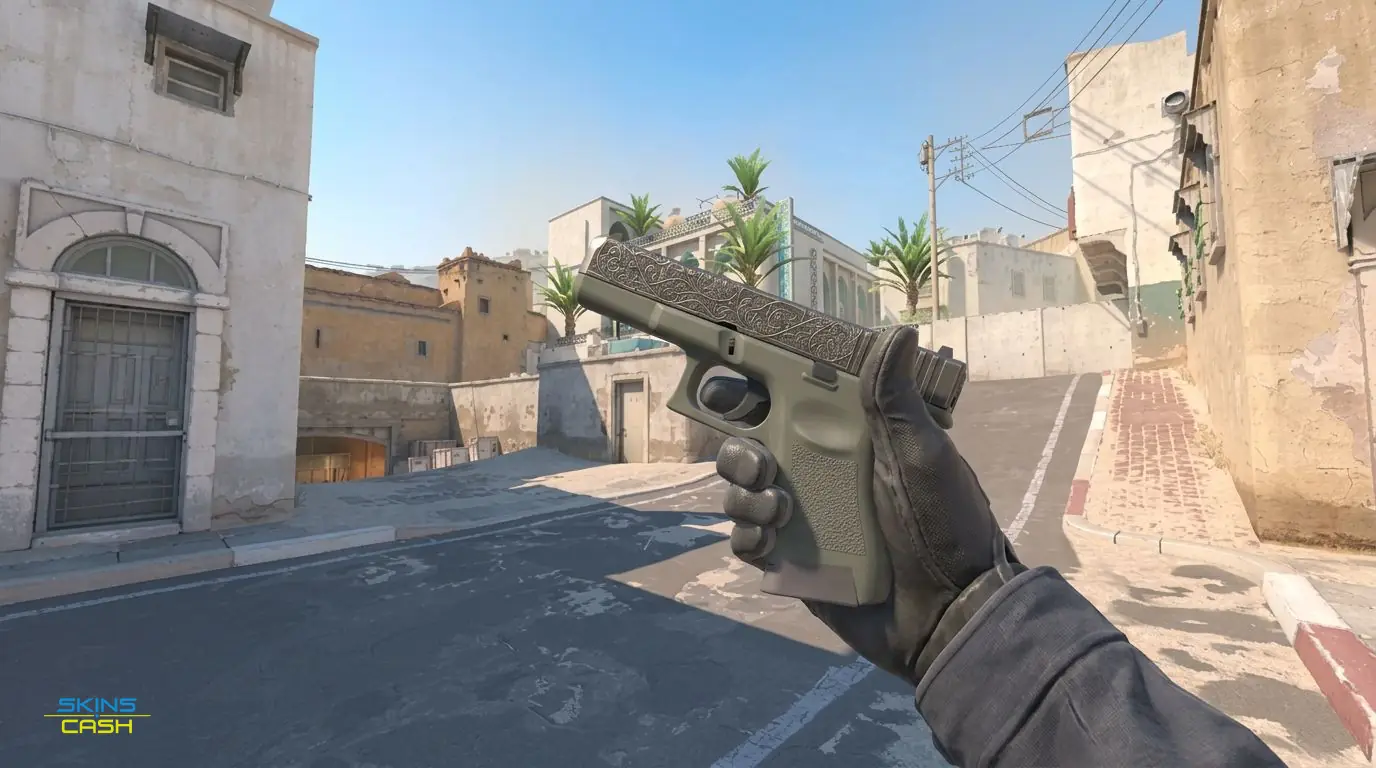

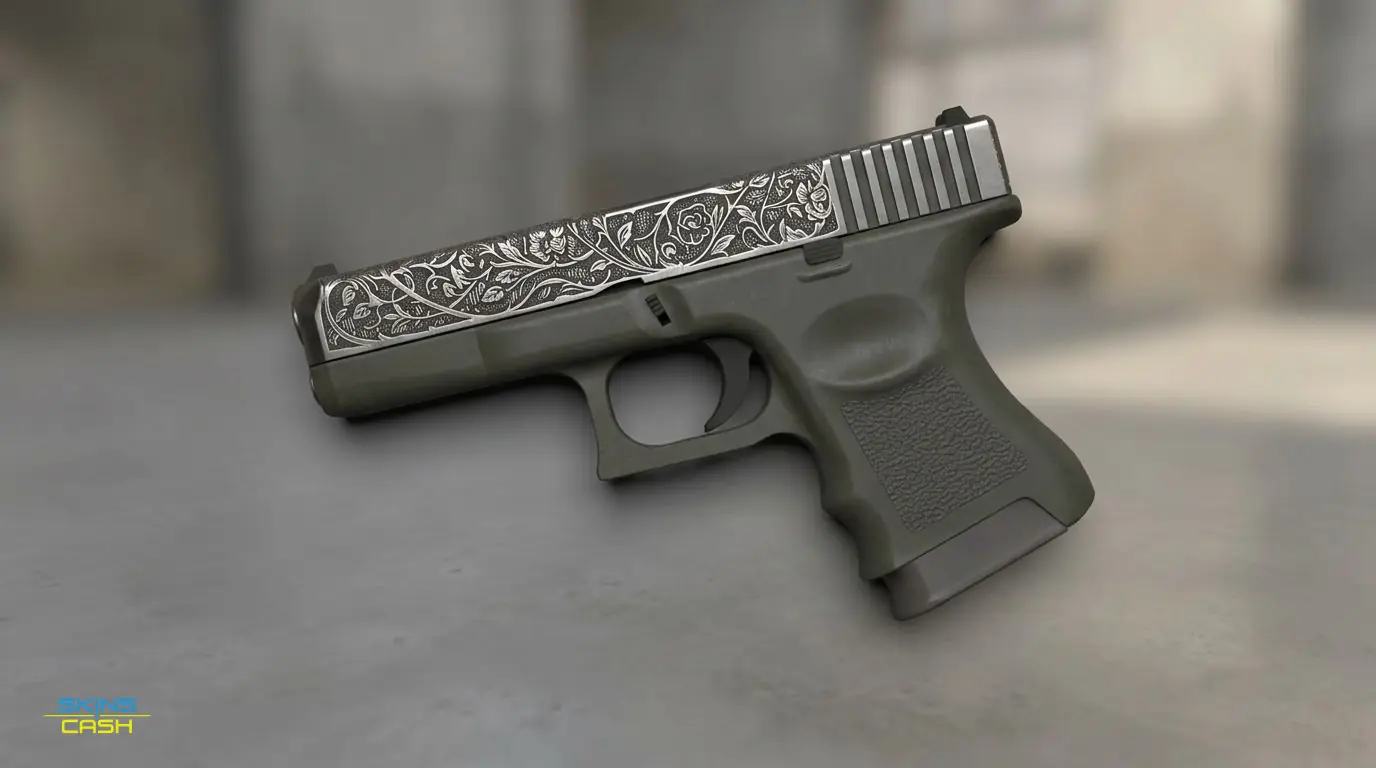
Glock-18 | Ironwork is a mid tier pick with mainstream appeal rather than grail scarcity; it trades as a go-to pistol for budget-conscious collectors who still want something with a designer name. For a seller that means steady interest but no rush of deep-pocket bidders - expect to move copies fairly reliably if you price to the band where most buyers live.
The payout curve shows a stepped ladder with premiums concentrated at the clean end and smaller gaps down the worn side, so the clean floats clear the rest in value. That steepness near perfect condition is what separates a take-it-now listing from one you hang for a buyer who chases the pristine look.
Listings often show higher sticker levels than the cash you actually net because buyer asks stack around the cleaner nodes while sell orders sit lower across the ladder. The spread widens when a Stattrak variant is involved and when recent demand surges push bids faster than sellers adjust.
Mid-to-clean wear tends to be the sweet spot for skin-for-money - you get a decent visual without paying the clean premium. Once you climb into the very clean float band the payout improvement flattens out versus what the market asks, so sellers should only chase that top rung if they can afford to wait.
This finish spans the whole float spectrum so every copy reads and prices differently; float discipline matters when you pick one to sell. A gray Patina look can be dull in high wear and far more appealing in low wear, making exact float a primary pricing lever.
There is no pattern index influence here, so pattern noise does not complicate pricing - float and Stattrak status determine the moves. That simplifies listing decisions: you do not need to hunt for rare seeds, just the right wear and variant.
Mil-Spec grading underpins the low end of the ladder, giving worn copies a predictable baseline even when interest softens. The rarity keeps the damaged side from collapsing into near-zero visibility, which helps sellers avoid panic pricing.
The Gray Patina finish reads clean and industrial in game, a muted presence that complements many loadouts without screaming for attention. L'grand's hand shows in the restrained metalwork, and that subtlety is what buyers appreciate when pairing the pistol with busier weapon skins.
This is a community-made finish from L'grand, not a Valve stock paint, and that pedigree carries weight with collectors who track authorship. Designer recognition nudges some buyers to pay a touch more for provenance, especially when the roster of pro players includes familiar names.
Expect jumpy moves when the market trends up hard and much quieter behavior during flat stretches; the wide historical range makes spikes sharper but retracements possible. Choose your cashout when momentum is on your side, because these swings can swing both ways in short windows.
The main errors are treating sticker price as net cash and ignoring float discipline between clean and mid copies; both leave you underpaid or stuck. Also watch variants - Stattrak listings rewrite the arithmetic and deserve separate pricing consideration.
Players and collectors respect Ironwork for its designer credit and practical palette, so sentiment skews positive without entering hype territory. That steady approval keeps demand consistent and helps listings clear when priced in the active band.