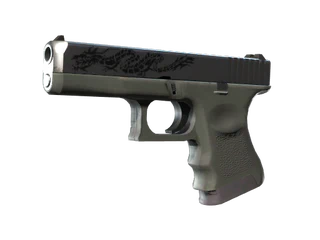
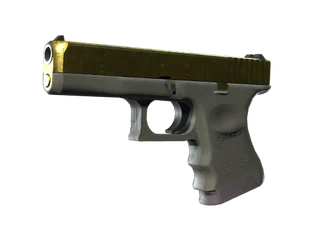
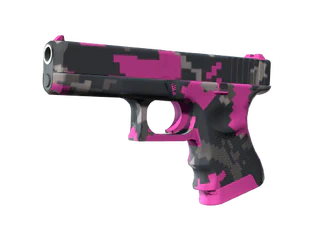
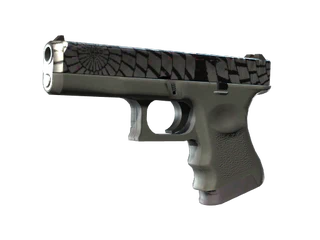
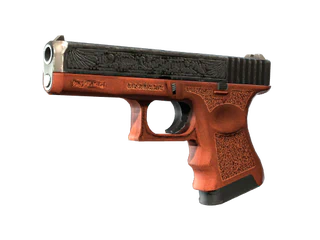
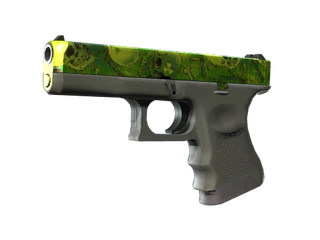
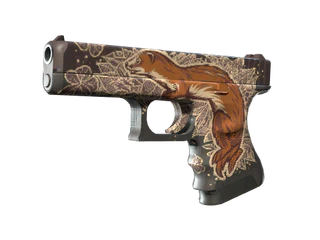
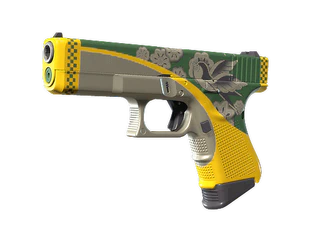
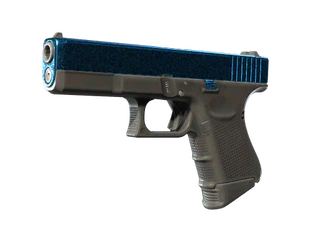
The Glock-18 | Fade sits at the premium end of the restricted pistol market and moves like a higher-value piece rather than a utility flip. Demand is concentrated at the top of the ladder, the float band is capped so the worst copies still look cleaner than most pistols, and supply reacts hard when buyers show interest.
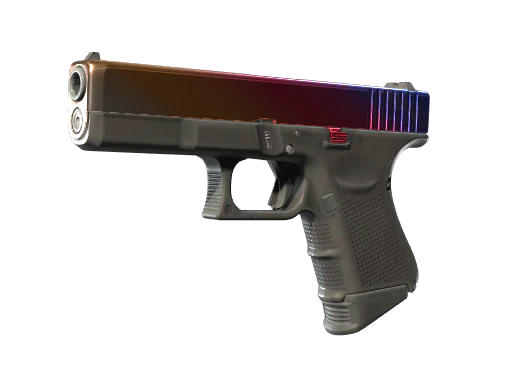
The Glock-18 | Fade sits at the premium end of the restricted pistol market and moves like a higher-value piece rather than a utility flip. Demand is concentrated at the top of the ladder, the float band is capped so the worst copies still look cleaner than most pistols, and supply reacts hard when buyers show interest.
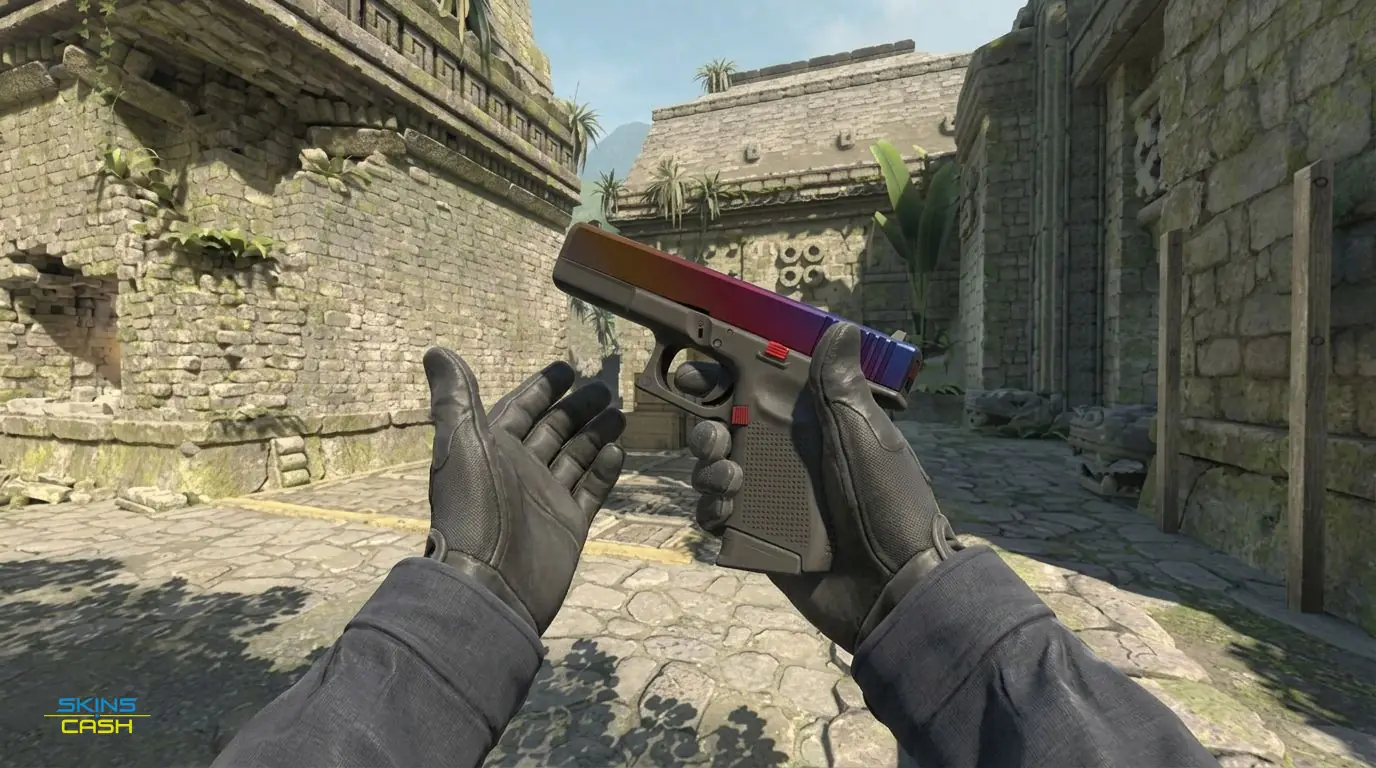

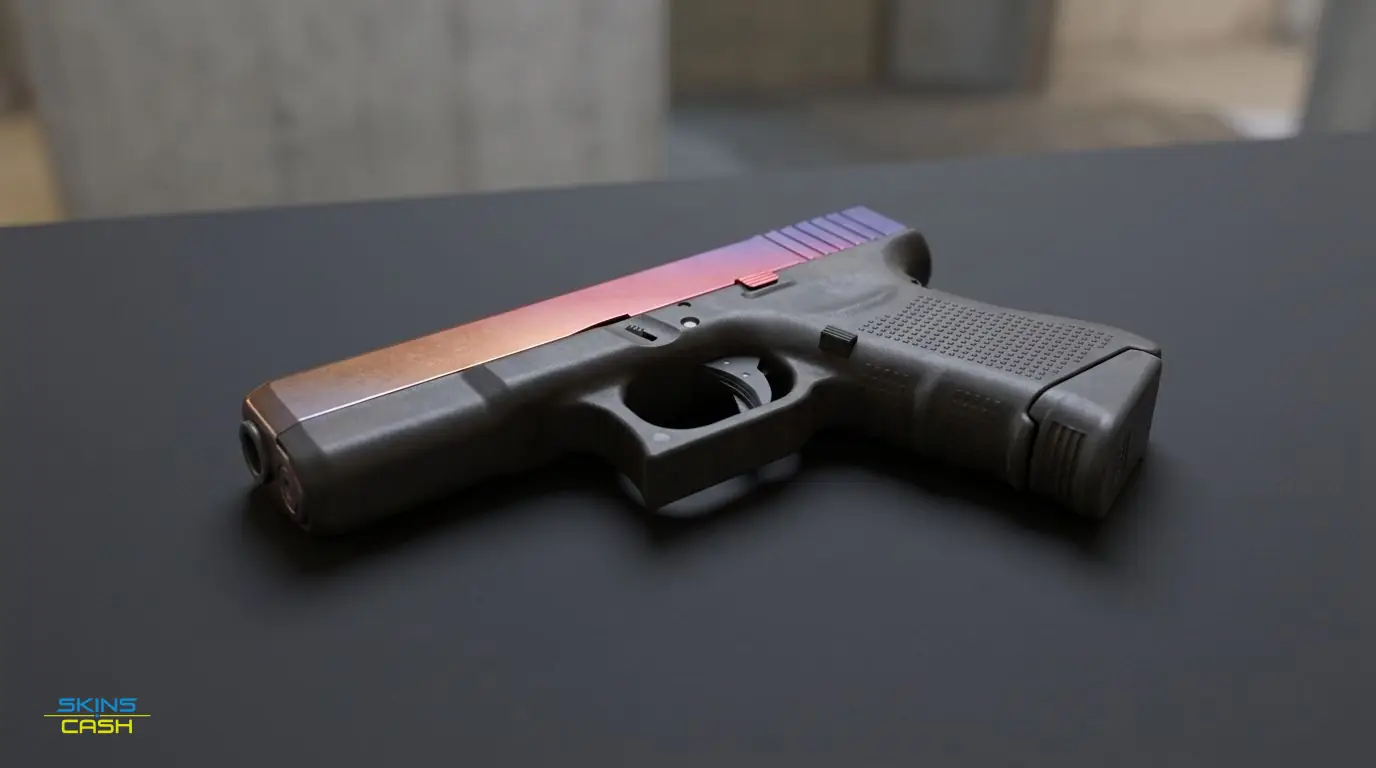
This is a premium restricted pistol - not a budget pick and not a grail, but a higher-value compact play that attracts collectors and finish lovers. Because it carries Valve's anodized airbrushed Fade palette and a limited payout spread, sellers see solid floors and selective buyer activity rather than broad, fickle demand.
The payout curve is front-loaded with a clear step from the cleaner side into the rest; clean copies command the highest bids while the remainder form a gentler tail. Float is capped, so that top-to-bottom jump is driven more by the clean end than by an expansive worst-wear market.
If you want skin for money, the mid-clean zone typically offers the best tradeoff - visually close to the top look without carrying the top-end premium. Beyond that zone the incremental return for chasing ever-cleaner floats falls off, especially given the lack of a Factory New premium.
Worn copies live in a tight payout band where wear changes little in cashout, so a seller holding a high-wear Glock-18 | Fade should not expect big swings for small float differences. That compression makes listing simpler: price for demand, not for marginal wear differences at the bottom.
This finish does not run the full float spectrum, so the so-called worst copies stay cleaner than similar pistols with open ranges. The cap lifts the effective floor visually and makes the lower wear behave more like a mid than a true extreme worn, which steadies the low-end pricing.
Seed sensitivity matters here: specific seeds can interrupt the smooth Fade blend and pull premiums beyond plain float. Before you price, check seed shots for any odd edge blends or disproportionate color patches; some seeds sell noticeably better than the standard gradient.
There is no StatTrak and no Souvenir line to split liquidity, so you are selling into one clean market rather than juggling multiple submarkets. That simplicity helps you read the live bids and set a decisive ask without guessing at cross-line arbitrage.
The Valve anodized airbrushed Fade reads as a warm metallic gradient on the Glock profile, with pronounced shifts between the core colors that stand out in spray and killcams. That palette plays well at range on most maps and keeps the piece desirable to collectors who prefer clean, color-forward pistols.
Short-term momentum is strongly upward, with buyer interest accelerating and listings compressing near the top. That makes active windows attractive if you want to sell into motion rather than chase a cooling market.
Over the last year the skin has been re-rated up, moving from quiet to sought-after as collectors rediscovered the finish and the capped float tightened visible supply. The year-long lift supports holding out for better bids when turnover slows.
On a high-value restricted, timing amplifies outcome: listing into a bid wave nets much more than hitting the first buyer during a quiet patch. If you can wait for momentum or a short-term spike driven by demand, the premium on clean copies can be meaningful.
Bright holo stickers and small gold nameplates play especially well on the Fade gradient; compact holo decals keep the color transitions readable while adding lift. Lean into contrast-concise holo badges or tournament golds on the slide amplify perceived value more than large, busy stickers.