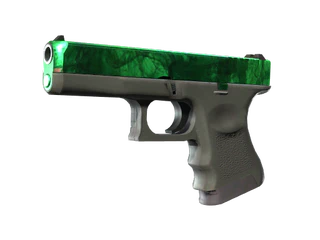
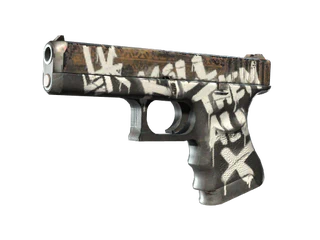
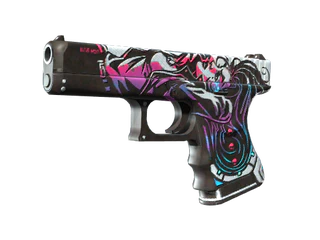
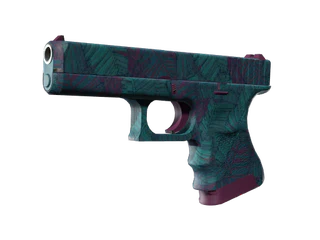
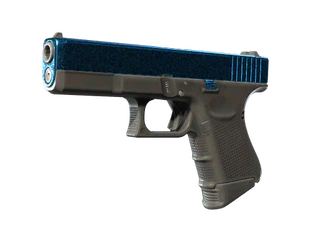
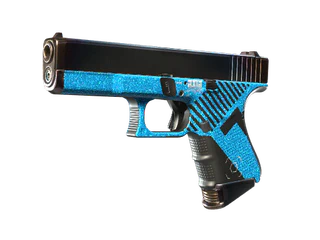
Floor is firm and bids are steady, so this Glock sits as a mid-tier covert that rarely bleeds value at the bottom. The clean copies drive the narrative - flawless gunsmith finishes trade at a strong premium while capped float mechanics compress the lower ladder and keep most copies cleaner than usual.
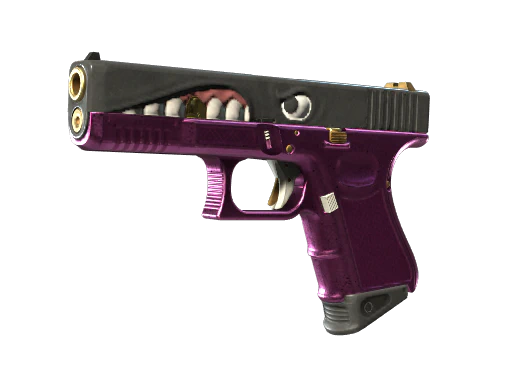

Floor is firm and bids are steady, so this Glock sits as a mid-tier covert that rarely bleeds value at the bottom. The clean copies drive the narrative - flawless gunsmith finishes trade at a strong premium while capped float mechanics compress the lower ladder and keep most copies cleaner than usual.
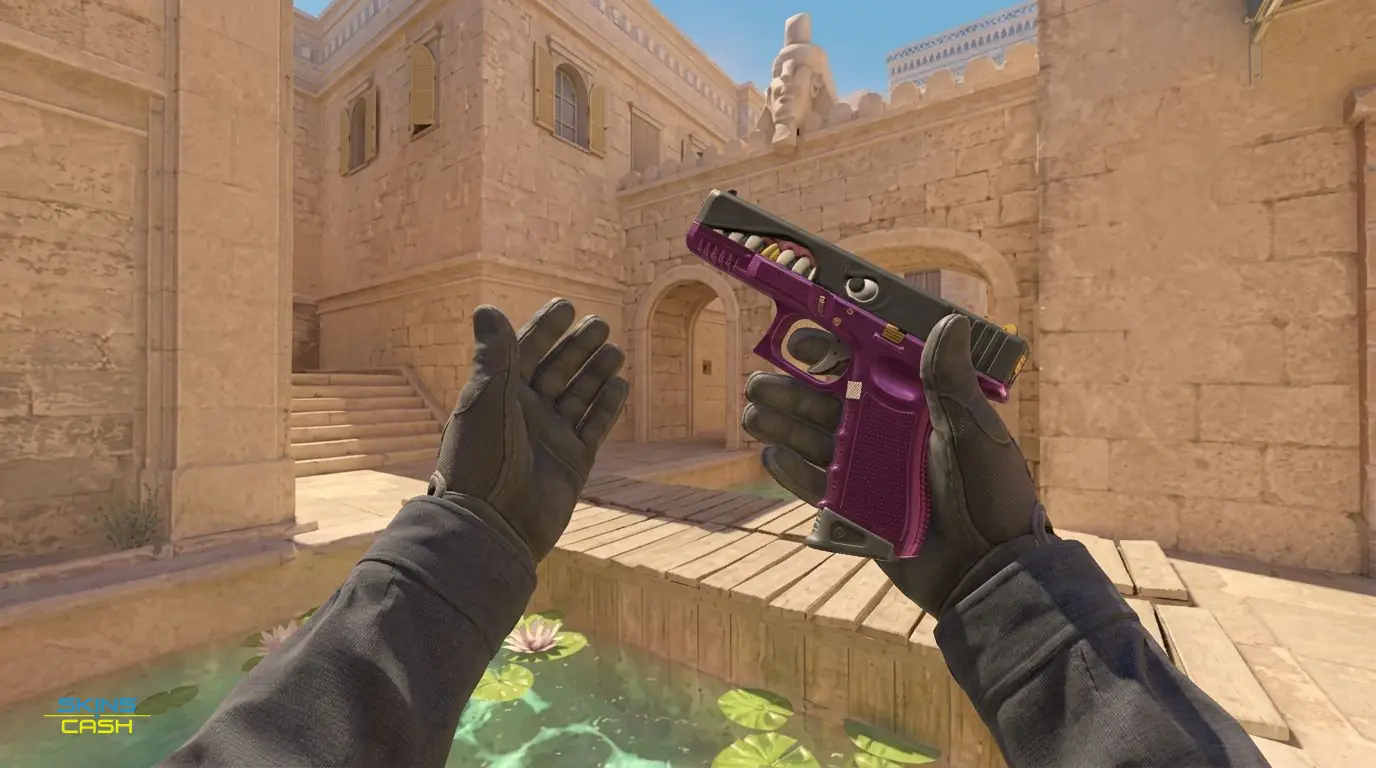


This is a mid-tier covert that plays like a mainstream workhorse rather than grail hype. High floor strength means sellers can expect solid bids under listings, and the skin attracts buyers who prize the gunsmith finish and madpoly palette over speculative flips.
The payout curve tilts hard toward the cleaner end with a steep drop after the top wears, while the lower ladder is relatively tight. That shape is visible in the way listings cluster: a few clean copies separate from a band of mid and lower wears that trade more frequently.
Flawless gunsmith copies carry an extreme first-wear premium and sit multiples above common mid wears. Those top pieces are what collectors and finish hunters pay for, so they dominate the upper band of value here.
Expect a meaningful gap between listing prices and what you actually extract at cashout, because buyer asks are wider for the rare clean copies and tighter across the compressed lower tier. Listings show the headline number; your net will be lower after takers price in liquidity and the steep ladder above them.
This finish is capped, so the worst-looking copies never reach the usual extreme dirtiness - the bottom wears behave cleaner than you might assume. That cap lifts the floor and pulls the lower ladder closer together, which reduces bargain tails but keeps demand for mid wears approachable.
StatTrak exists and follows its own curve, often inverting relative to normal items when demand concentrates on condition rather than counter. Sellers find ST copies trade at a clear premium, but the premium's shape can flip depending on which wears buyers hunt.
Pattern index does not move price here, so float and finish are the only levers that matter. That removes random seed noise and makes pricing straightforward: you buy by float band, not by luck of the seed.
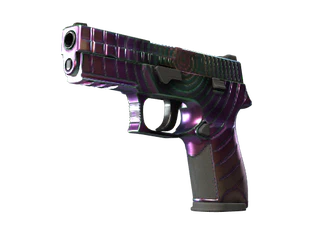
Purple tones sit clean on the gunsmith finish, and madpoly's touches read well under in-game lighting, especially with reflective stickers. The palette keeps the Glock visible without screaming for attention, which helps it fit into mainstream loadouts.
This Glock drops from the Gallery Case and carries the supply dynamics that case origin implies. Being tied to that container shapes how often clean copies surface and where they sit in market supply chains.
All-time movement has been massive, with wide swings between peaks and troughs. Current pricing sits somewhere inside that broad band, and volatility means sellers can catch notably higher bids when appetite returns.
Traps to avoid: pricing by stickered listings instead of float, treating ST and normal copies the same, and ignoring the capped float when estimating the bottom. Check the wear first, then the live spread - that sequence keeps your expectations aligned.
Collectors and players respect this piece for the gunsmith finish and the designer cred, and sentiment skews toward steady demand rather than speculative heat. That steady hunger shows up in stronger bids at the floor and in attentive buyers for clean examples.