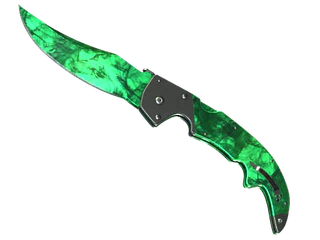
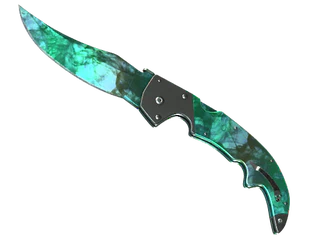
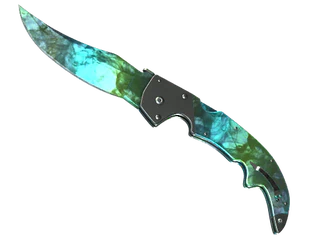
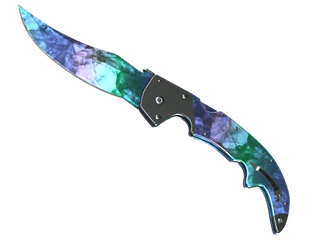
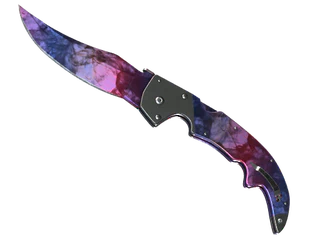
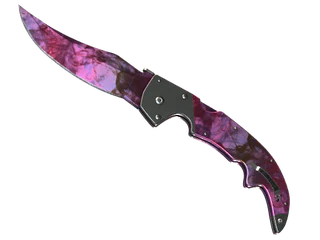
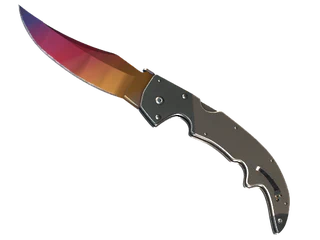
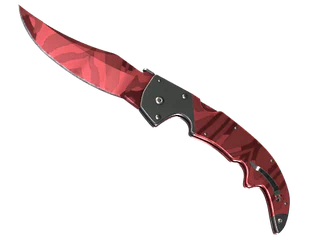
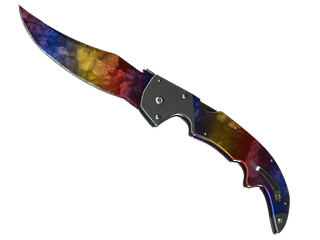
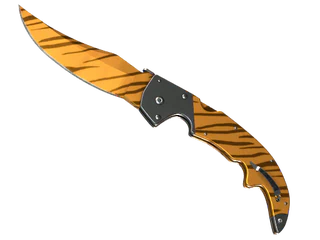
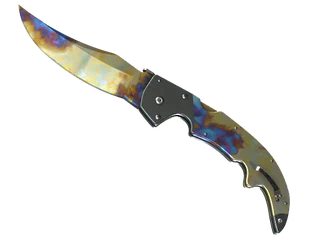
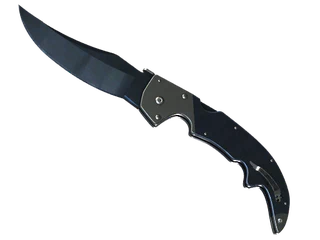
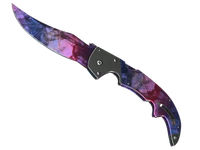
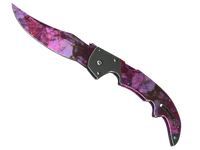
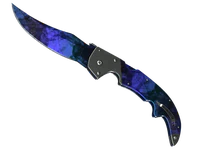
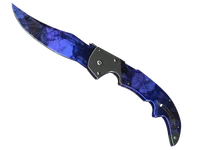
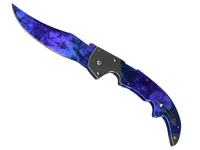
Clean Doppler Sapphires still carry the conversation, but most value lives away from the absolute top float. Demand is steady among players who want a blue-heavy anodized look, and sellers should watch the capped-float profile and recent soft uptick before cashing out.
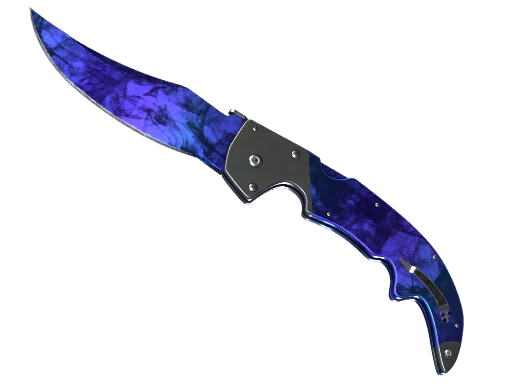
Clean Doppler Sapphires still carry the conversation, but most value lives away from the absolute top float. Demand is steady among players who want a blue-heavy anodized look, and sellers should watch the capped-float profile and recent soft uptick before cashing out.
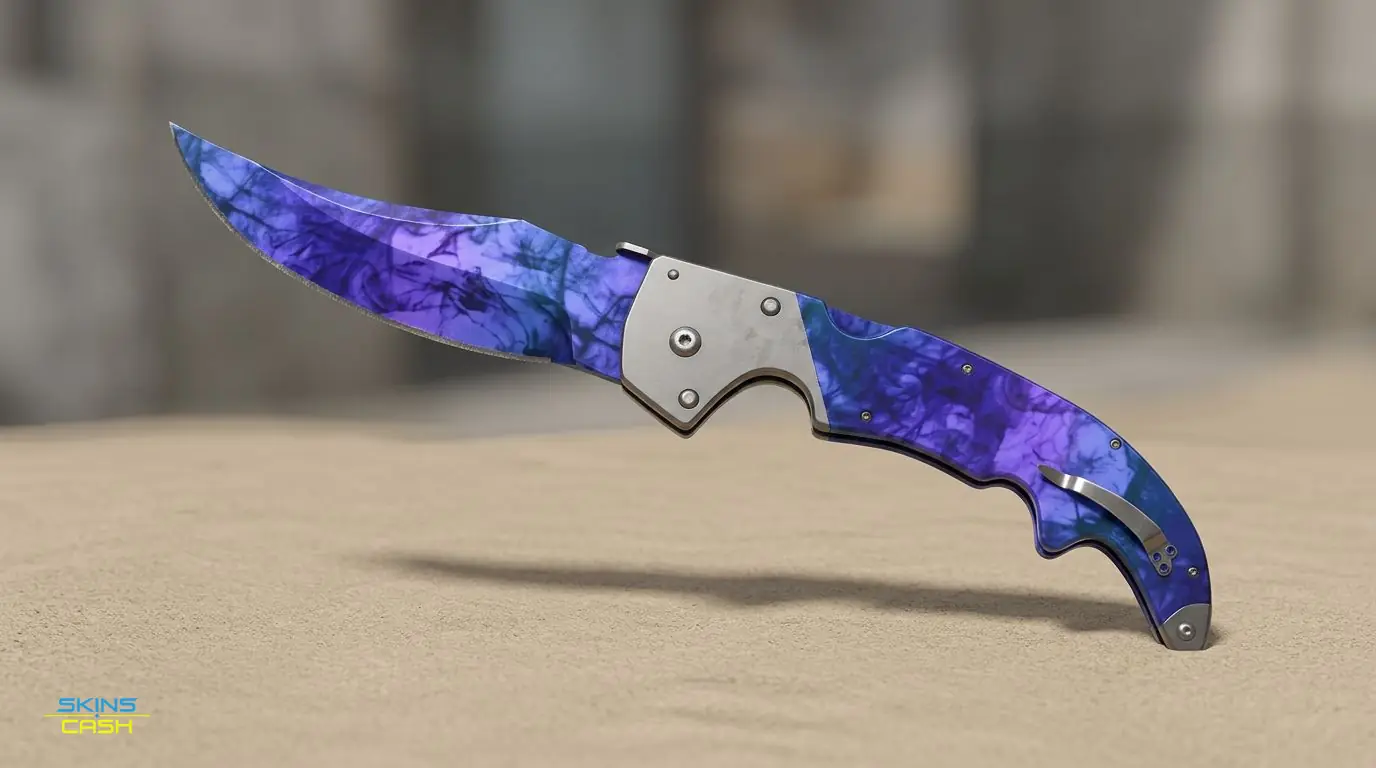
This sits in the premium bracket for covert knives that actually trade; not grail territory but not a budget pick either. Its Valve-designed anodized multicolored finish and blue tone attract collectors and players who want a flashy blade, so liquidity skews toward serious buyers rather than impulse purchases.
The ladder is capped at the clean end with a noticeable step-off after the top tier, then a wider band across the mid-to-worn wears. Expect a concentrated premium for the capped clean copies, with the rest of the ladder moving in a flatter range.
Mid-clean to mid-range float copies usually give the most skin-for-money - you keep the sapphire sheen without chasing the tiny capped premium. Sellers should stop expecting big jumps beyond the very clean copies; the payout flattens well before true wear shows heavy degradation.
The gap between listing stickers and actual cashout widens because buyers factor in fees, quick-sale liquidity and the premium on the clean end. When you price, treat the marketplace ceiling as aspirational; real cash lands lower once you account for takers and instant-sale mechanics.
The anodized multicolored finish keeps a strong blue face early on but loses that mirror-like depth as float climbs; buyers care about the visual pop. Small moves in float toward the capped zone are visible and rewarded, while deeper wear dulls the effect and buyers pay noticeably less.
Being covert supports a baseline even for worn copies; the rarity prevents the bottom from collapsing like more common blades. That floor makes it a safer sell from the low end - you won't find the extreme bargain spreads that hit lower-tier knives.
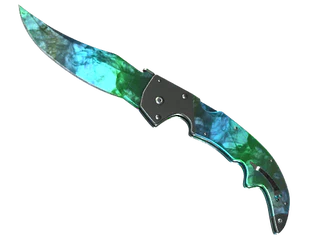
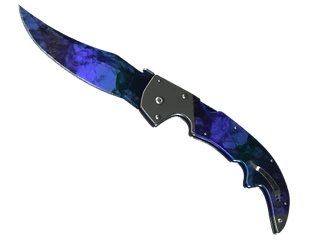
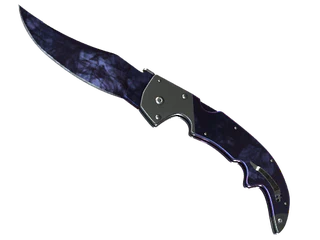
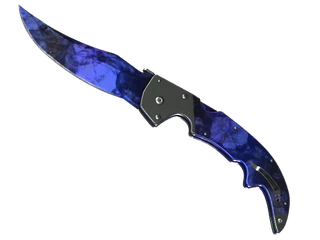
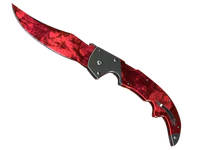
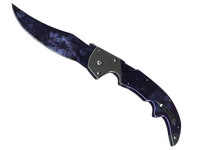
Phases matter here: certain Doppler phases and seed placements create a richer sapphire flash and draw collectors. Before you price, check the phase on the blade face and the seed for any concentrated blue area - those raise interest beyond what float alone would suggest.
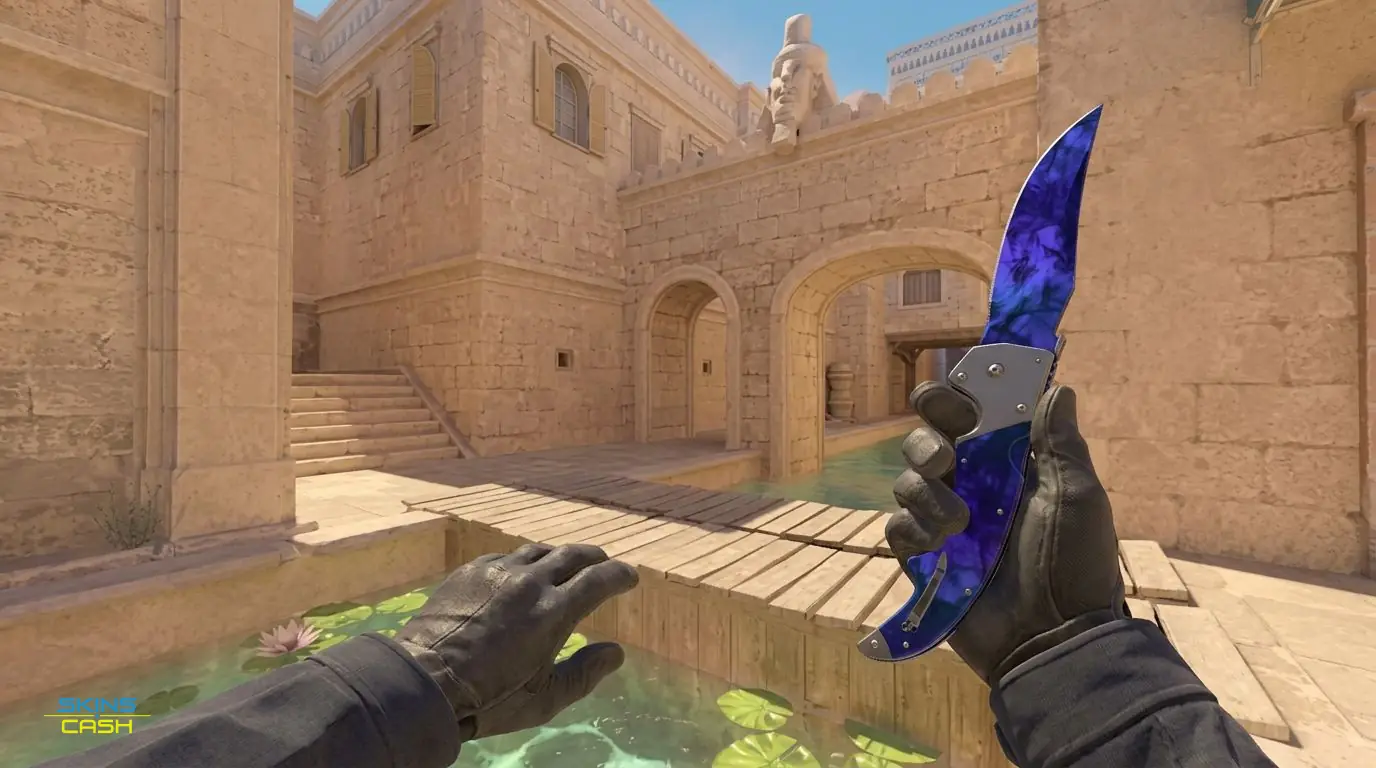
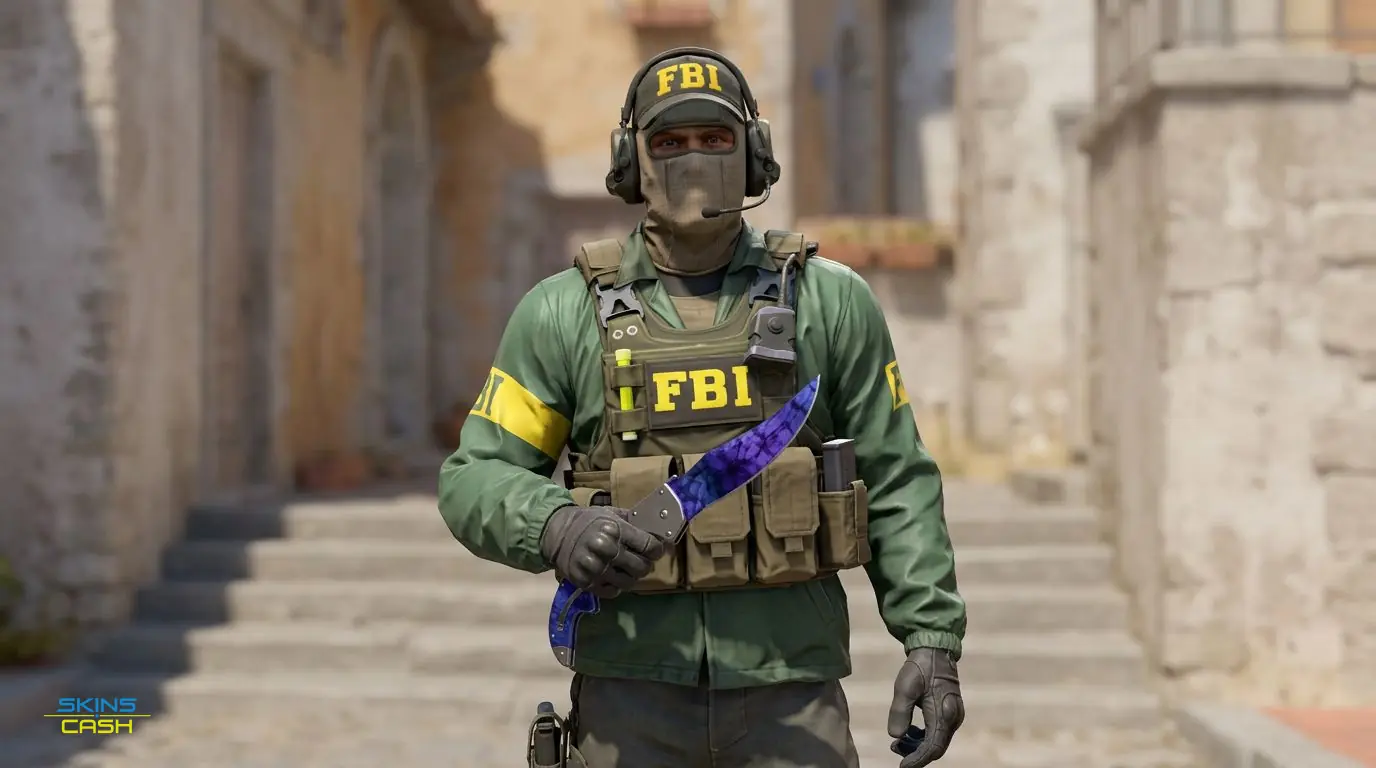
This knife reads very blue in game, the anodized multicolored finish layering cool tones over a deep blade face. The single-color dominance is why players pick it for screens and demos: it pops without being busy, and the Valve design language keeps it recognizable.
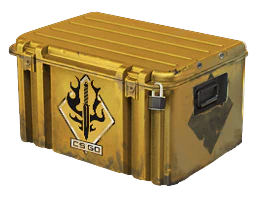
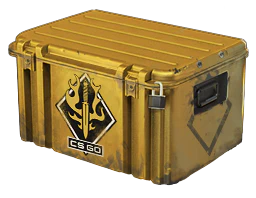
It comes out of the Spectrum Case, which keeps supply steady but not overwhelming compared to newer containers. That origin means reasonable availability historically, so expect the market to price with a familiar supply backdrop rather than panic scarcity.
Over the last long window this style has bled down, yet the short recent movement shows a soft rebound. Think of it as re-rating slowly after a long correction rather than a breakout rally.
List slightly above the cashout you want and wait for the spread to tighten; avoid slashing to the market floor to chase speed. Keep an eye on the clean cappers and match their rhythm rather than undercutting widely - patience sells better on premium covert knives.
Players respect the Doppler Sapphire for its in-game clarity and the Dycha association nudges collector interest on forums. Sentiment is practical: admired for looks, traded by people who know what they want rather than by casual browsers.