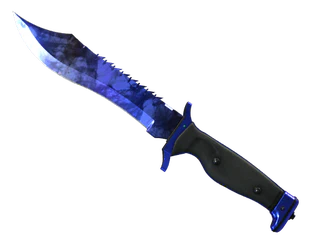
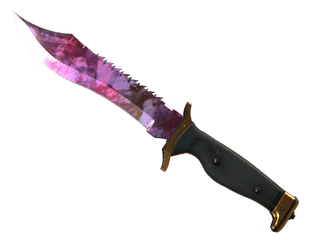
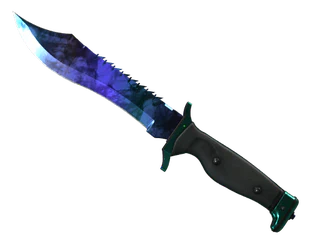
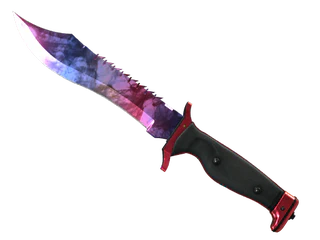
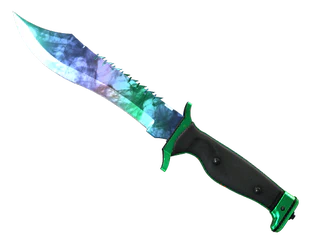
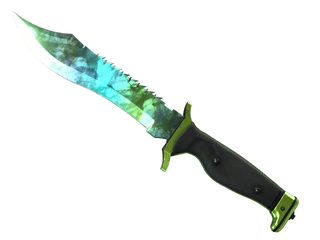
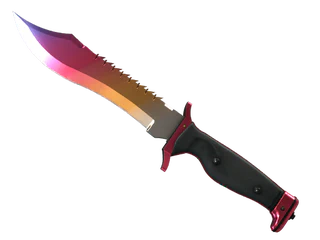
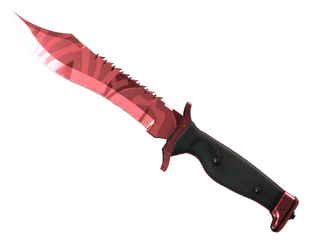
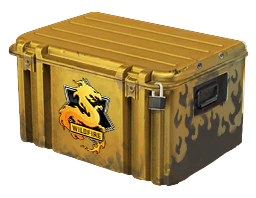
Mid-tier trade piece with a narrow audience: buyers know what they want and most value concentrates away from the mid-wears. The capped float profile and the StatTrak inversion make the clean and dirty ends behave differently, so price by float, not by eyeballing a listing.
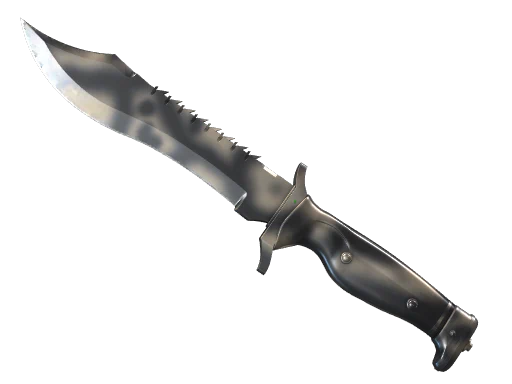
Mid-tier trade piece with a narrow audience: buyers know what they want and most value concentrates away from the mid-wears. The capped float profile and the StatTrak inversion make the clean and dirty ends behave differently, so price by float, not by eyeballing a listing.
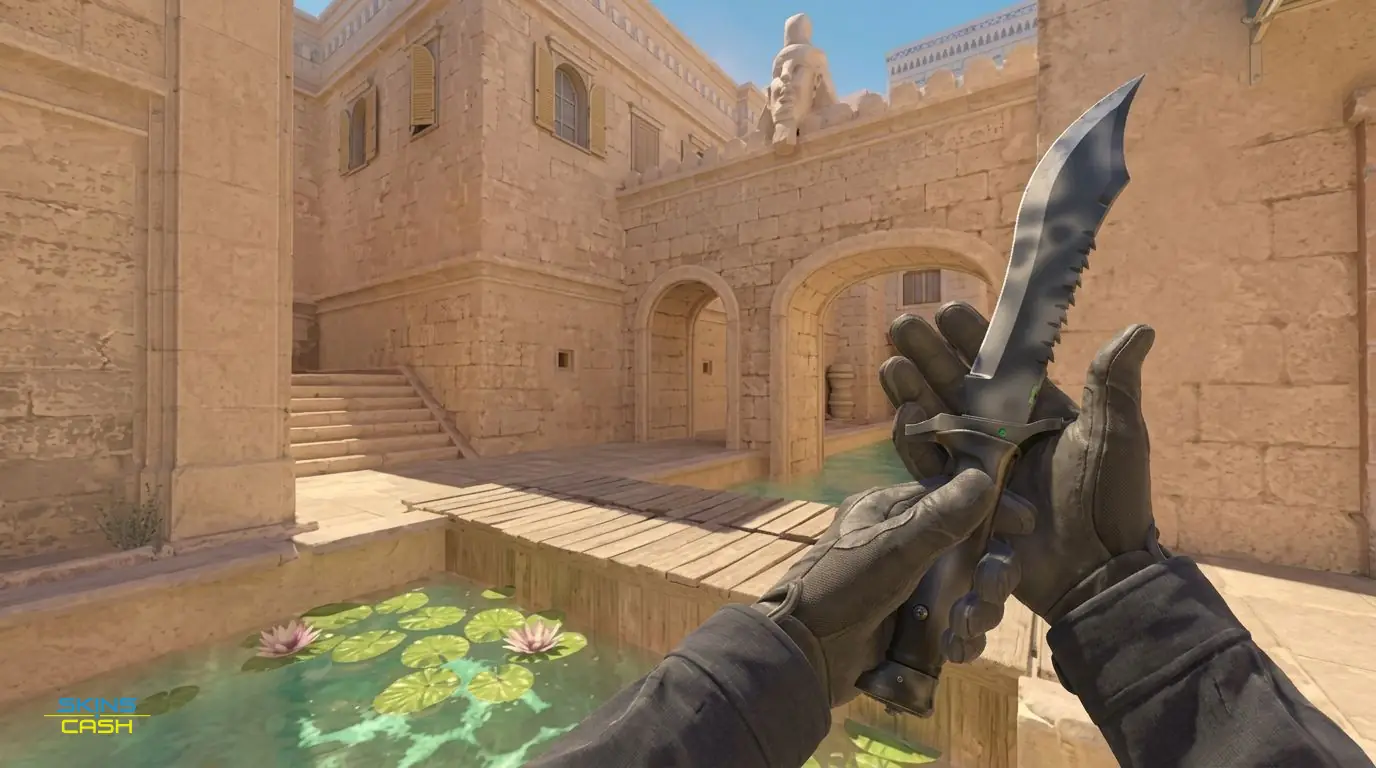
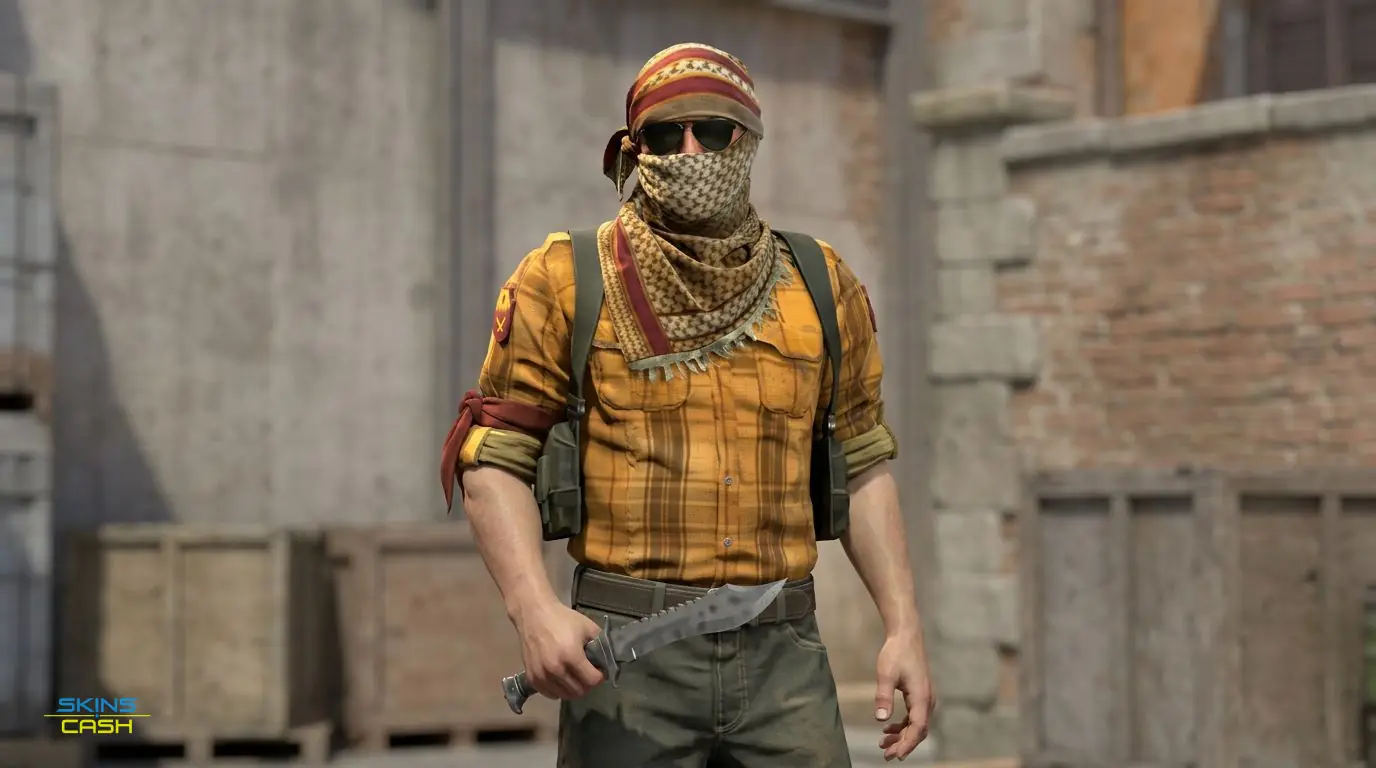
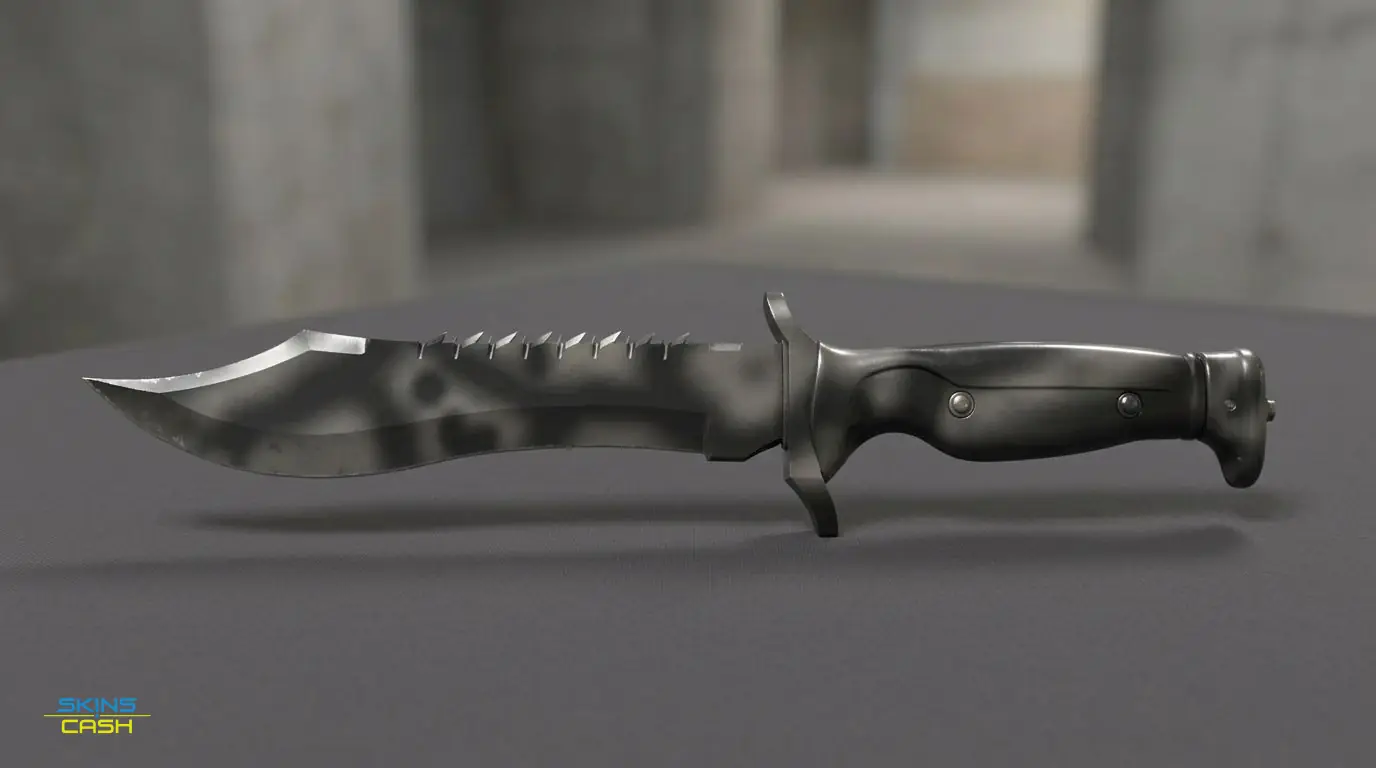
This sits squarely in the mid bracket among covert knives - not a grail, not budget, but a skin that moves only when the float lines up. For a seller that means selective demand: listings can sit unless the copy is in the right part of the ladder or offers the StatTrak variant collectors chase.
The ladder has a stepped profile with value clustered away from the absolute worst wear because of the capped float range; expect a sharp bend rather than a smooth slope. The top clean copies carry a premium, then the drop eases into a broad middle band where prices level out.
There is a visible gap between sticker and cashout driven by the mid price tier and weak visible floor; buyers anchor lower and sellers list toward the clean end. If you need to move one fast you should price into the buyer band rather than sit at sticker and wait for matching liquidity.
The sweet spot for skin-for-money sits in the middle-to-clean region where wear still looks good but the StatTrak premium doesn't bite as hard. Sellers with cleaner non-StatTrak copies extract the most, while dirtier or borderline pieces rarely pull extra value.
Because the finish is capped, the so-called worst copies are cleaner than you might expect and the bottom of the ladder doesn't trade like a true battle-scarred. That compresses the lower end and shifts attention to small float gradations higher up the ladder.
There is no pattern noise to fuss with here; pattern index has no bearing on price for this spray-paint finish. That keeps valuation straightforward: float and StatTrak status are the variables that matter.
In the StatTrak thread a dirtier copy can out-price a cleaner one when the StatTrak multiplier outweighs a small float improvement. Watch listings for StatTrak tags first; a visibly worse wear with StatTrak will sometimes command more than a clean non-StatTrak.
This blade comes from the Operation Wildfire Case, so its supply is tied to that case's circulation. That origin keeps it in regular rotation among covert knives rather than shifting it into a recent-case premium zone.
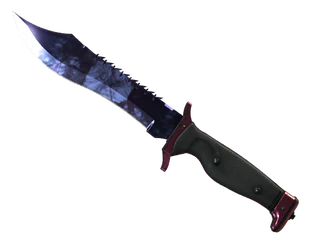
The spray-paint finish runs a Black and Gray palette that reads muted and workmanlike in-game, keeping contrasts low but making silhouettes clear at range. Valve's designer touch keeps the Bowie shape readable, which is why some buyers prefer it over louder finishes.
The short-window direction has been moving down hard, so market activity is drifting toward lower buyer expectations. That pressure shows up in longer listing times and softer bids unless the copy hits a desirable float bracket.
Traders often ignore capped float behavior and list the skin as if the full ladder existed; that leaves them overpriced on the bottom end. Also watch for StatTrak confusion: mislabeling StatTrak or misreading the inversion is how sellers lose quick sales.
Among players this knife is respected as a solid covert with practical looks rather than a flex piece, which translates to steady but selective demand. The mainstream profile means it will always have buyers, just not in the same volume as headline grails.