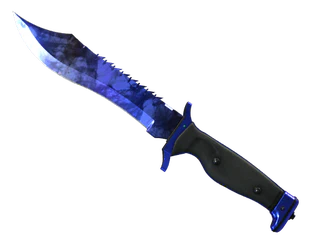
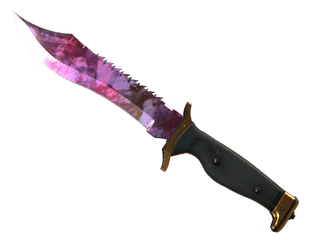
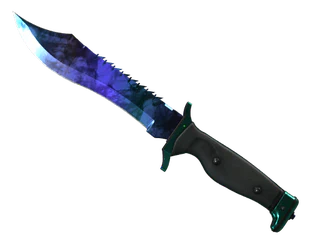
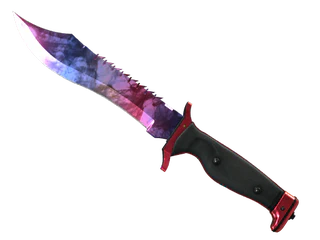
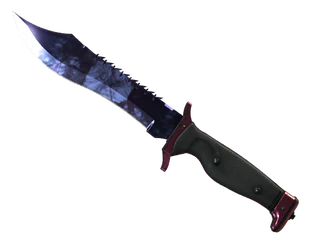
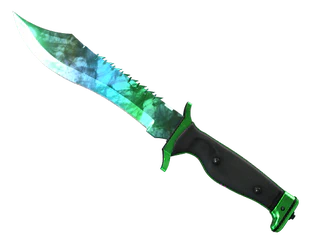
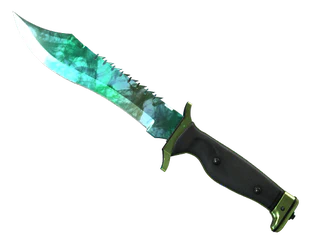
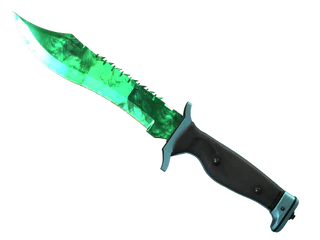
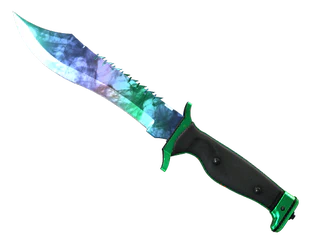
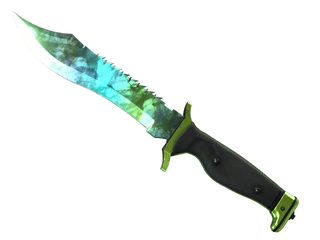
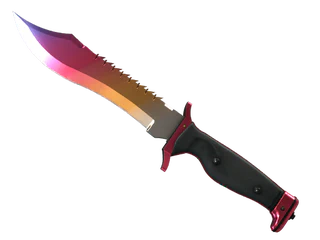
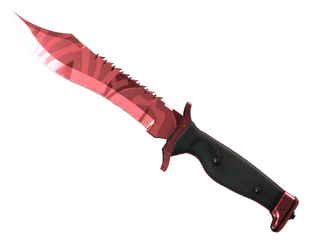
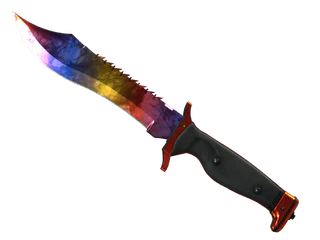
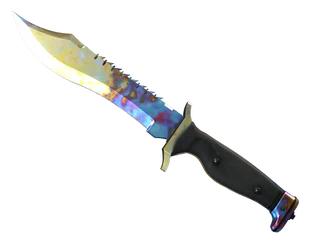
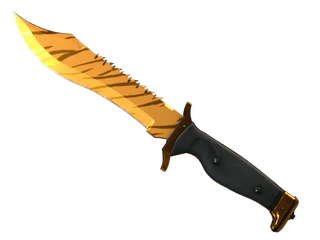
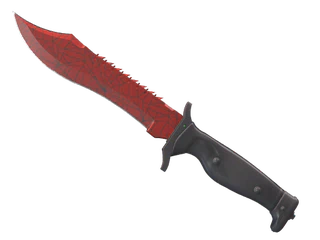
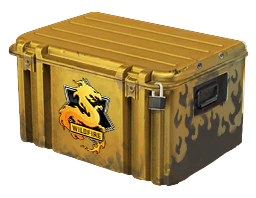
A mid-tier covert blade with mainstream appeal and a capped float profile that keeps the worst copies cleaner than usual. Liquidity is steady but the floor is soft, so timing matters more than hero float tinkering when you want cash out.
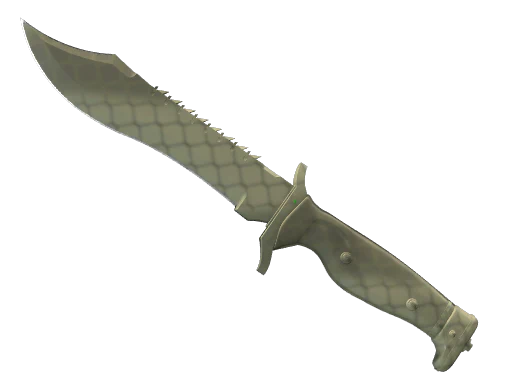
A mid-tier covert blade with mainstream appeal and a capped float profile that keeps the worst copies cleaner than usual. Liquidity is steady but the floor is soft, so timing matters more than hero float tinkering when you want cash out.
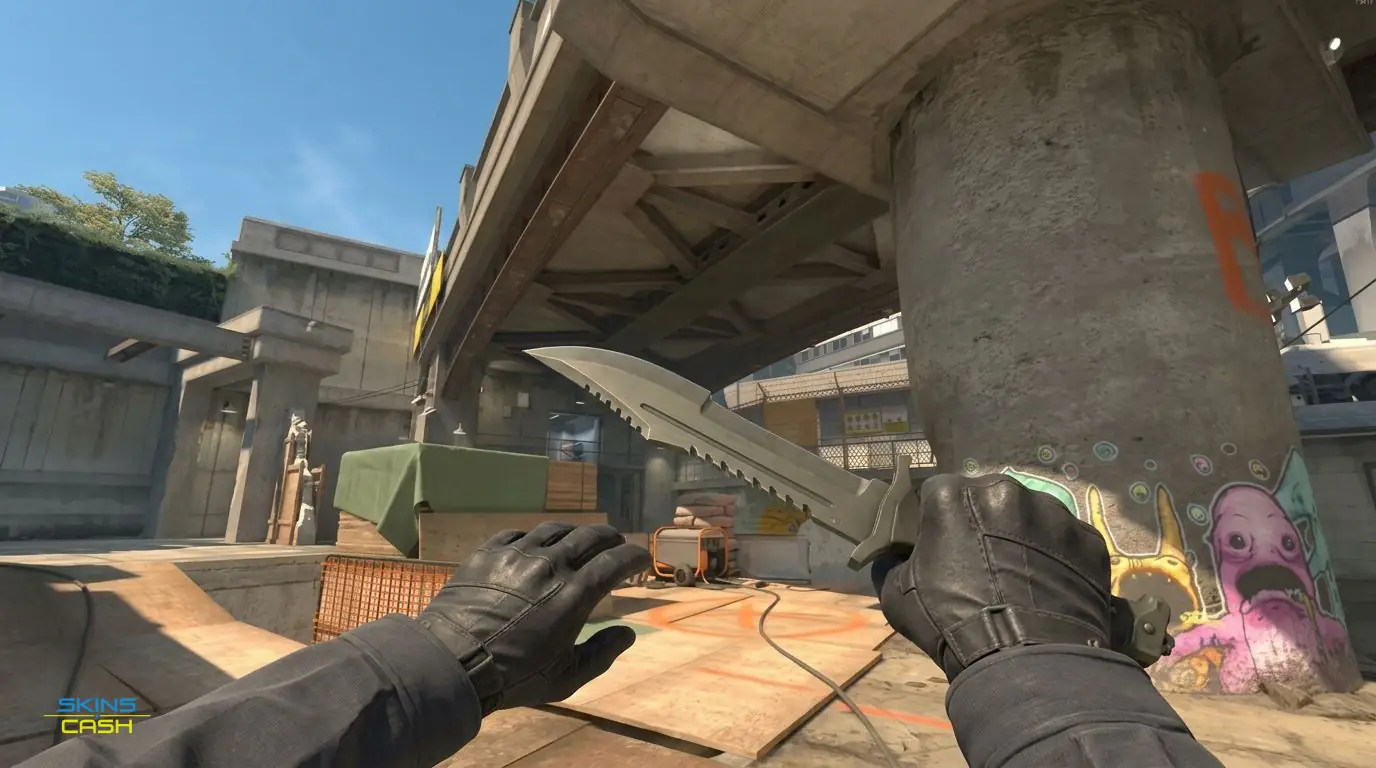
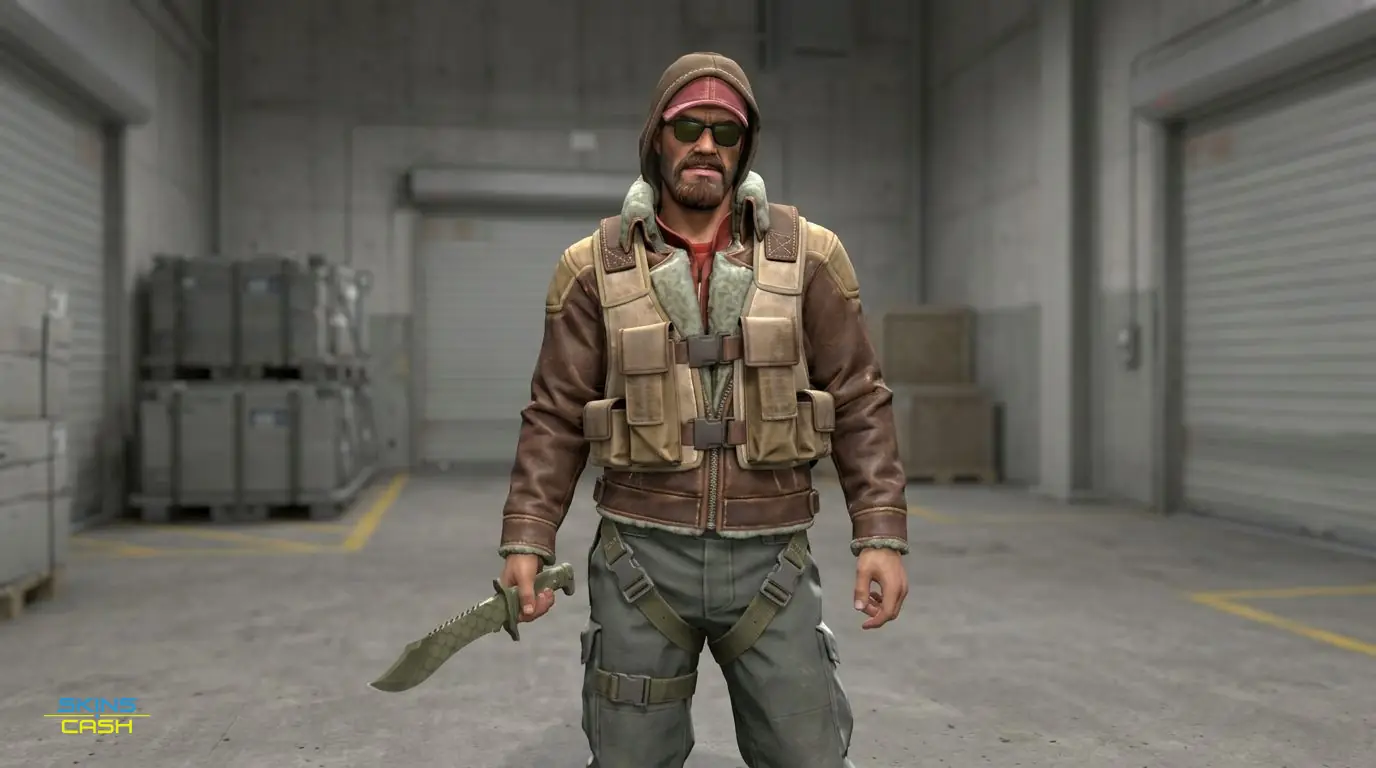
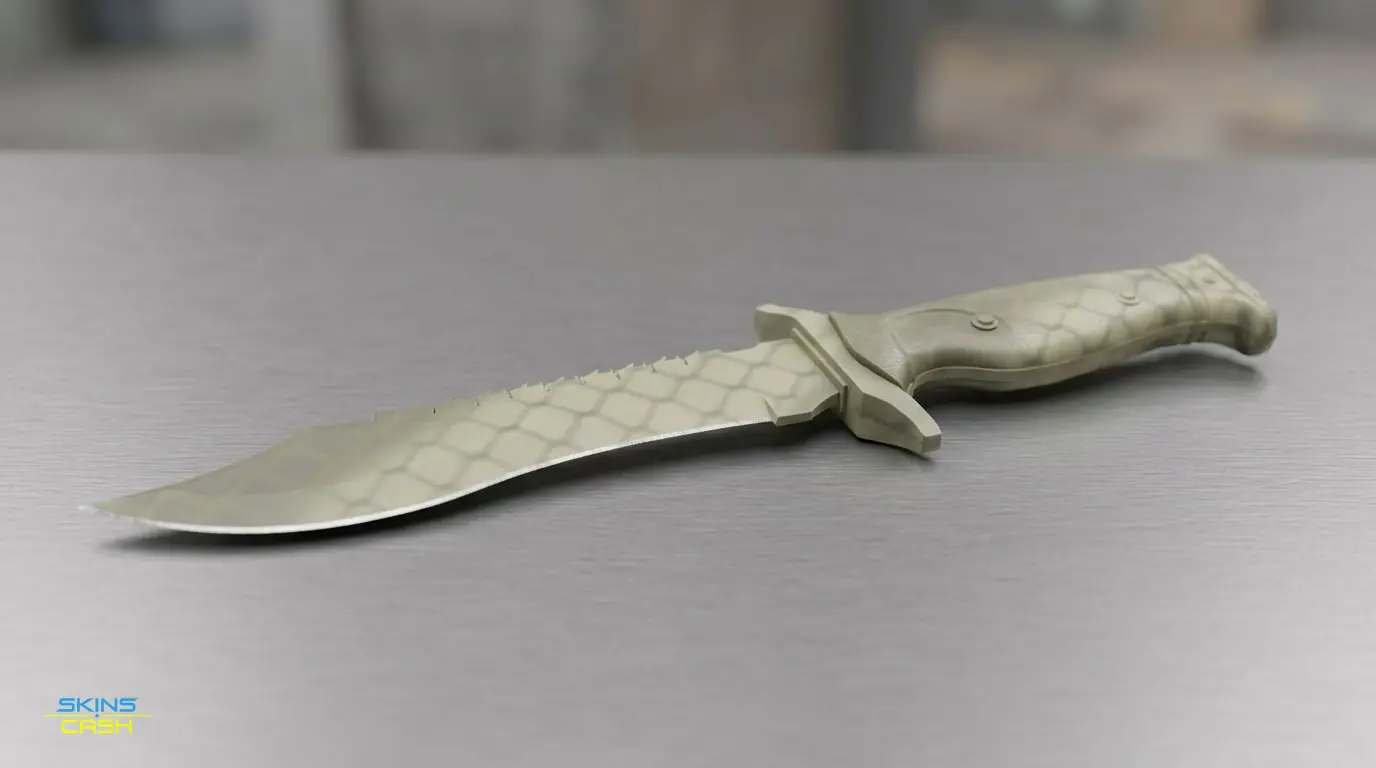
This Bowie Knife sits in the mid bracket for covert blades: serious enough to attract collectors, but not a grail that trades infrequently. Demand is mainstream rather than niche, which means listings move if priced respectably, yet the overall floor is delicate so sellers often face a narrow margin on the low end.
The ladder has a clear tilt toward cleaner wears rather than a uniform slope; value accumulates toward the top wears with a noticeable step down through moderate wear. For sellers that means premiums concentrate above the common wear band rather than trickling smoothly across every float.
Expect a visible gap between sticker and take-home: buyers post asks anchored to cleaner wears, while net payouts drift lower once fees and liquidity are accounted for. Lists that ignore the market's compressed lower-tier spread end up with stale sits; price with the spread in mind and you avoid repeatedly re-listing.
Mid-wear copies deliver the most skin-for-money for players who want an in-game look without paying the clean premium; beyond a certain clean point, the payout stops increasing in a way that justifies the jump. If you want to hold for upside, aim for the cleaner rung, but if you need utility per dollar the middle of the ladder is the pragmatic spot.
Because the finish uses a capped float band the "worst" copies are cleaner than other knives, so the lower end behaves like a tightened floor rather than a true heavy-wear tail. That compresses the usual spread of appearances and reduces the number of cheap, heavily worn bargains that would otherwise anchor the bottom.
Pattern or seed noise does not move price here; there is no hidden pattern premium to chase. Float and wear are the sole levers you need to read, which simplifies pricing work and shrinks surprise outliers when you list.
Being a covert blade underpins value even on less desirable wears, so the lowest rung has support you don't get with commons. Sellers can lean on rarity when markets soften, but remember the support is modest not bulletproof.
This skin originates from the Operation Wildfire Case, which keeps supply steady enough but not overwhelming. That origin means new influxes happen predictably from case circulation rather than from special rotations, so supply shocks are less common.
A utilitarian gray spray-paint finish gives the blade a washed, workmanlike aesthetic that reads well in multiple maps and lighting. The muted tones make it unobtrusive in play yet clean enough to pair with many loadouts, a reason players favor it over flashier alternatives.
Price moves are moderate rather than explosive: the capped range and compressed lower-tier spread tame wild swings, while the weak floor leaves occasional down drafts after big lists. For sellers that means there are moments to push listings, but overnight flips are riskier than patient exits.
Traders often misprice by ignoring the capped float and treating this like a full-range knife, or by conflating sticker asks with net payout. Check variant, confirm float band, and respect the compressed lower spread to avoid listings that sit.
Players see this as a practical, mainstream covert rather than a collector's grail; it's liked for playability and value, not for showpiece status. That steady, pragmatic sentiment supports listings moving when priced with the market's quirks in mind.