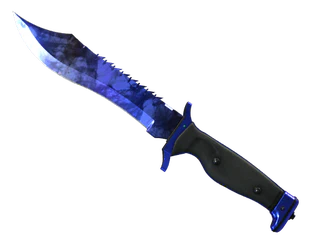
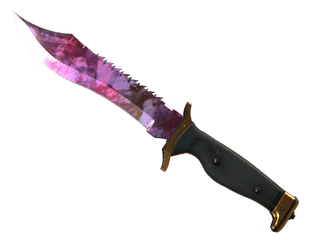
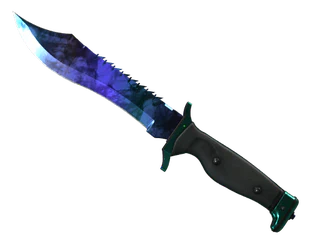
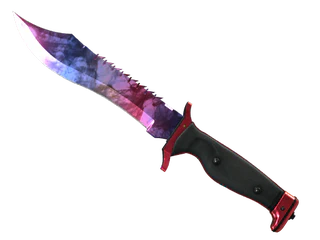
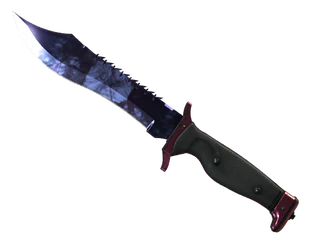
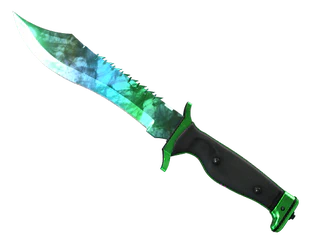
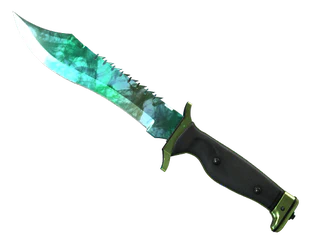
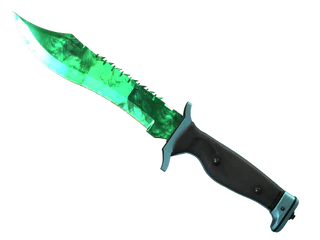
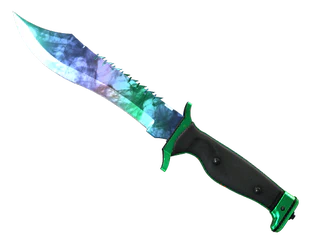
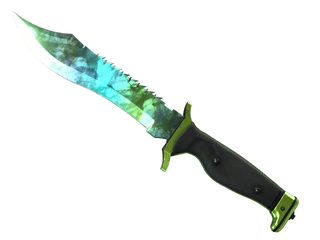
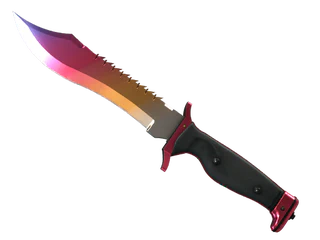
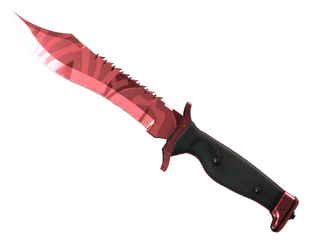
Mid-tier demand, weak floor and a capped float profile make this Bowie a classic trader play: clean copies command attention, while the rest sit in a narrow band. Sellers should price by float and variant first - the market is thin and moving down, not forgiving careless listings.
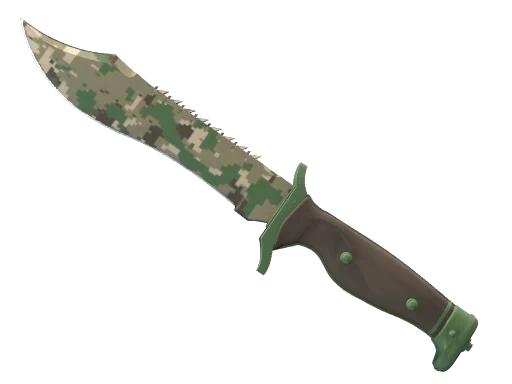
Mid-tier demand, weak floor and a capped float profile make this Bowie a classic trader play: clean copies command attention, while the rest sit in a narrow band. Sellers should price by float and variant first - the market is thin and moving down, not forgiving careless listings.
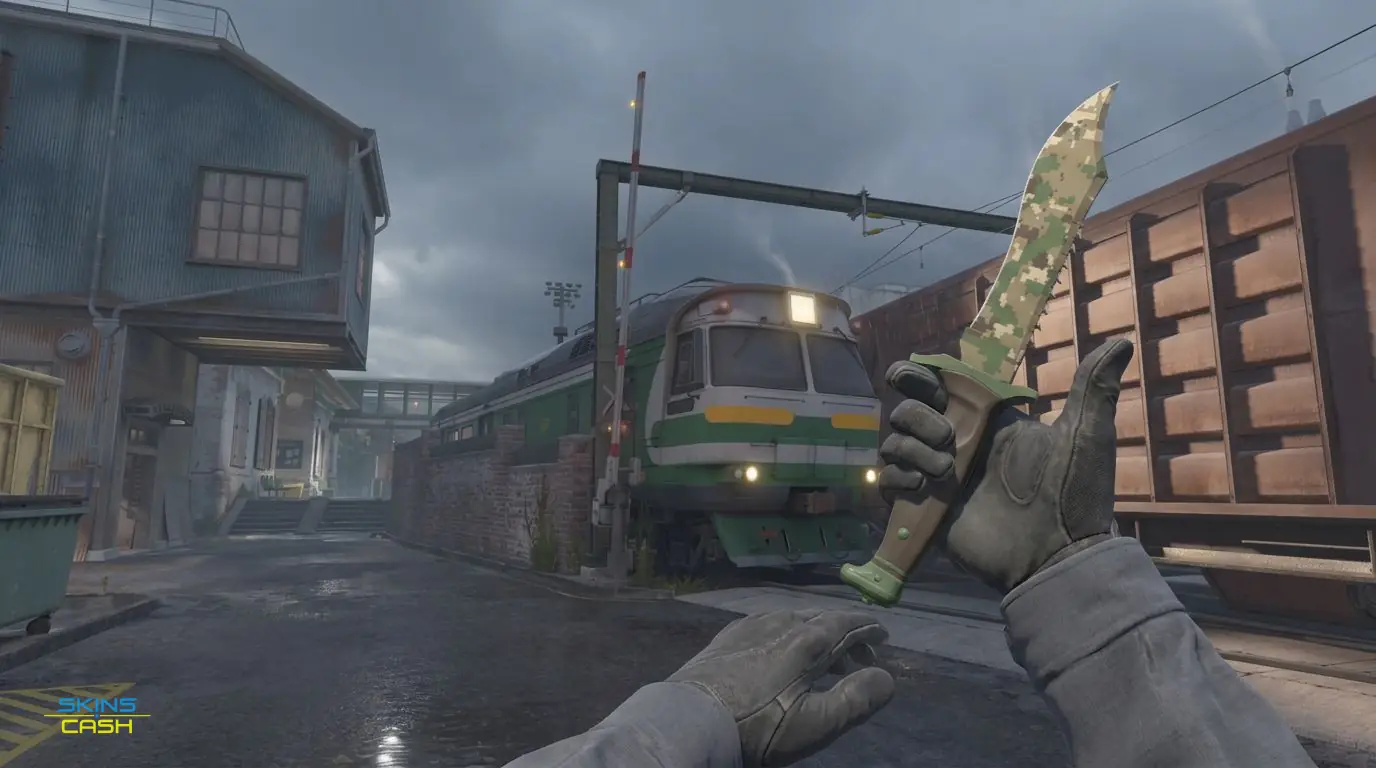
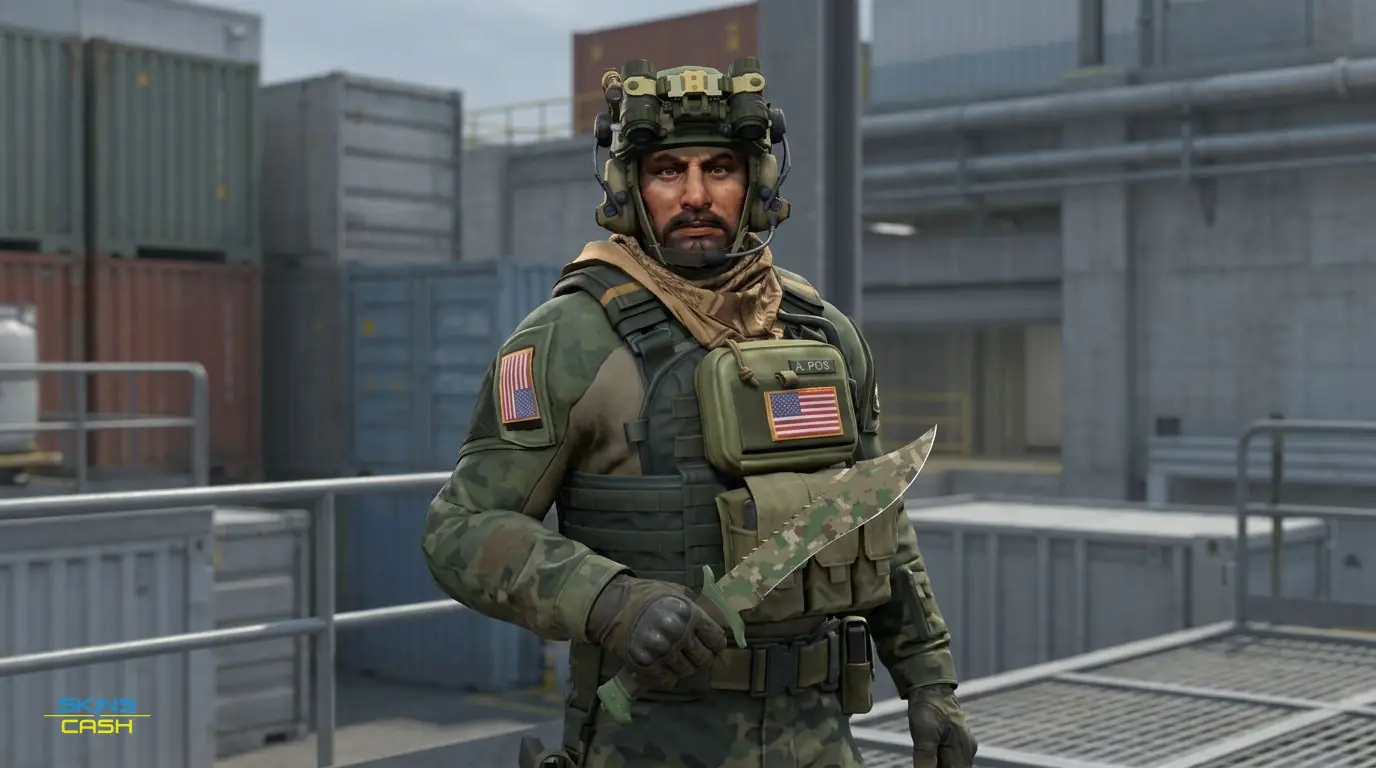
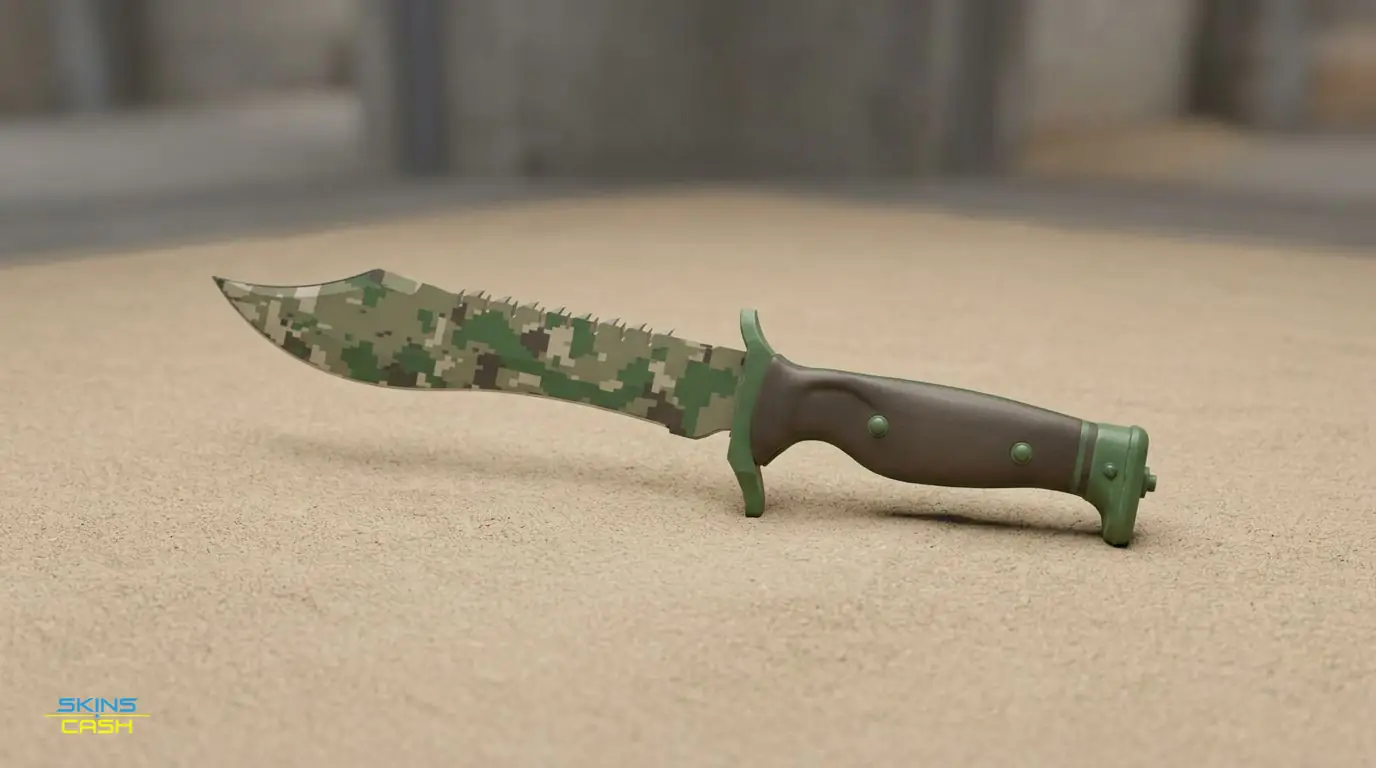
This is a mid bracket covert blade that lives below premium knife tiers but above budget fare; it attracts players who want a distinctive green hydrographic without paying grail prices. For a seller that reads as fewer casual bidders and a buyer pool made of collectors and utility buyers, so liquidity is acceptable but sensitive to overpricing.
The ladder is a capped profile with a clear kink toward the clean end: value compresses for most of the band then lifts sharply for the very clean floors. Expect a concentrated handful of serious bids at the top wear and a long flat-ish stretch through the common wores.
Mid-wear copies deliver the best skin-for-money tradeoff here because they sit above the compressed low end yet below the premium clean tier; they move more reliably. If you hold a borderline clean, the extra gain from listing up will thin out quickly - sometimes it does not pay to chase the topmost float.
Worn and battle-scarred copies cluster closely together in payout, so tiny float differences down there do not change cashout much. A seller with a noisy, lower-wear copy should list it competitively and not expect float to rescue pricing.
The hydrographic finish does not span the full float spectrum, so the supposed "worst" copies are cleaner than comparable finishes from other collections. That restriction lifts the floor appearance but also squeezes the middle, making float leaps rarer and deciding value more about position than absolute wear.
StatTrak copies exist and carry their own demand curve that generally mirrors the non-ST line but shifted: fewer offers, sharper gaps between sought-after wears. For sellers, ST listings attract collector bids but require patience unless you price aggressively relative to the plain variant.
In the StatTrak tier you can see cleaner floats undercut by dirtier ones because buyer priorities favor certain visual marks and ST status over marginal float advantage. Watch listings where a dirtier ST has cleaner stickers or presentation; those will sometimes outprice a technically cleaner copy.
This blade drops from the Operation Wildfire Case, which means supply is tied to that case's circulation and past release cadence. The origin keeps a steady baseline of available copies but limits new inflows, so long tails of supply persist in the market.
The Forest DDPAT reads green and utilitarian, a muted green hydrographic layered for in-game subtlety rather than loud contrast. It plays well on darker maps where the low-key palette keeps outlines defined without drawing too much attention.
All-time pricing for this model has been massive in breadth, swinging between quiet flatness and sharp peaks at the clean end. Current pricing sits somewhere within that wide band, nearer the lower half given recent market movement.
Traders often misprice by treating StatTrak the same as vanilla, or by listing without checking the capped float and assuming extreme wears exist. Avoid those traps: always verify variant and float, then set the ask to reflect where this float sits inside the compressed middle or the premium clean kink.
Among the player base this Bowie is regarded as a solid, workmanlike blade rather than a trophy showpiece; interest comes from utility buyers and completionists. That standing keeps turnover steady but churn light, so expect sales to require precise listings and occasional patience.