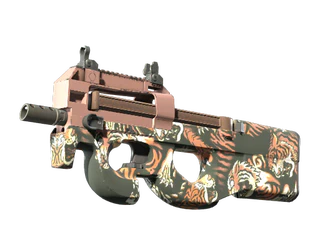
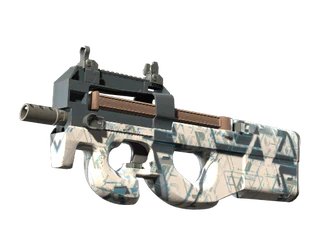
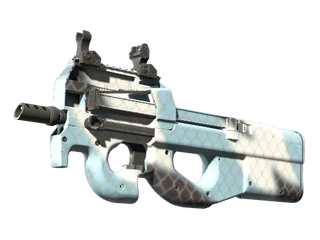
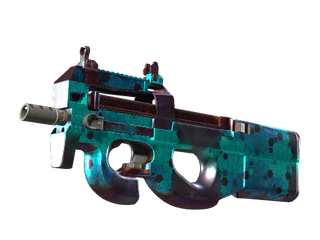
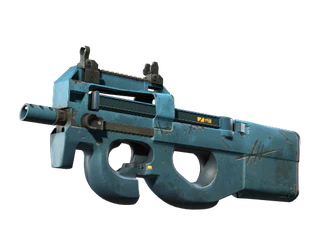
P90 | Reef Grief sits at the budget end of its cohort and trades like a thin-market Mil-Spec - easy to move if you accept the current spread, hard to squeeze extra cash. The float cap and a steep clean-end premium mean the nicest copies are much more valuable than the average, so timing and float matter more than hype.
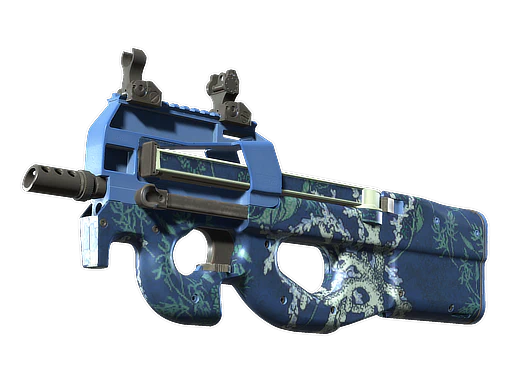

P90 | Reef Grief sits at the budget end of its cohort and trades like a thin-market Mil-Spec - easy to move if you accept the current spread, hard to squeeze extra cash. The float cap and a steep clean-end premium mean the nicest copies are much more valuable than the average, so timing and float matter more than hype.
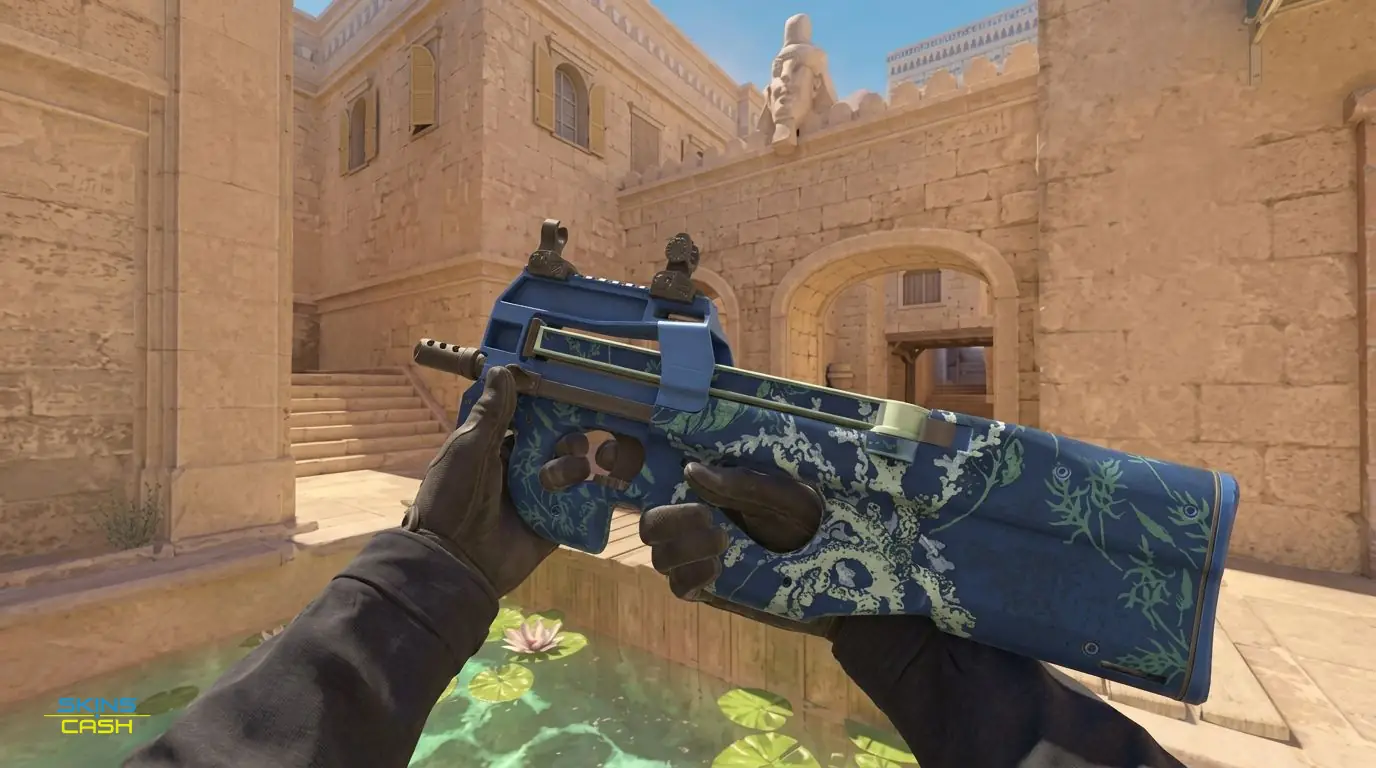
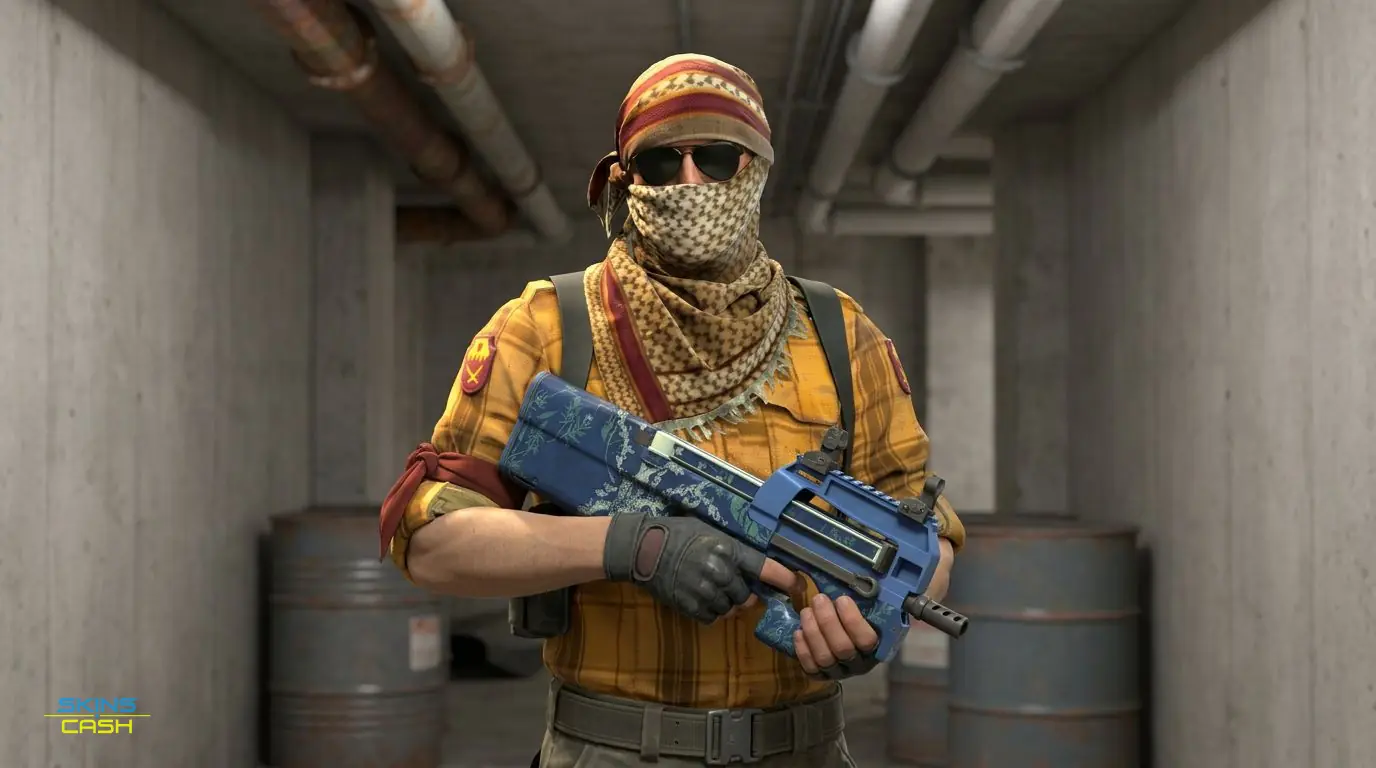
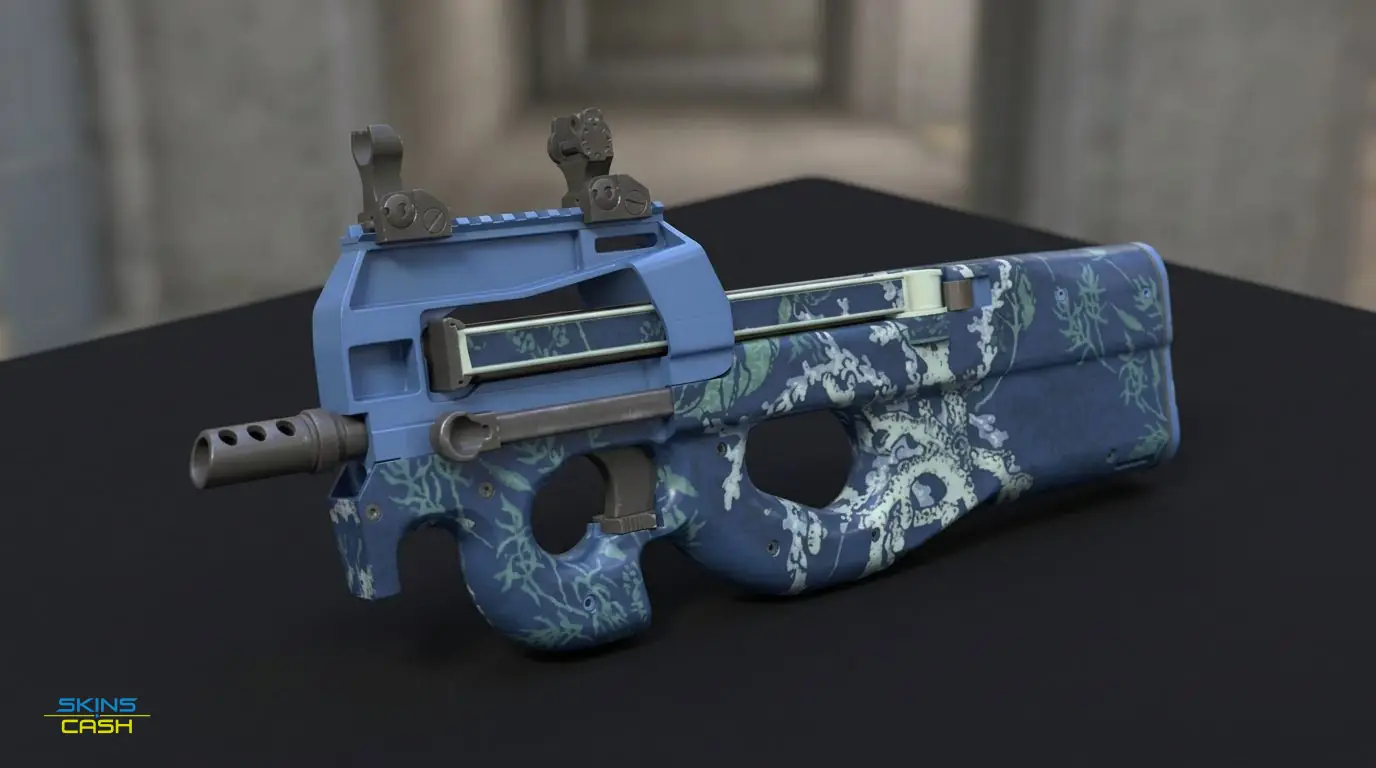
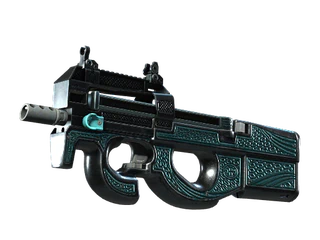
This is a budget Mil-Spec with blue tones and a hydrographic finish from The Ascent Collection, and it behaves like a low-cost, low-attention play. Demand is light and listings sit unless priced to clear; for a seller that means realistic expectations and a focus on the handful of buyers who care about float and clean presentation rather than broad market interest.
The wear ladder is front-loaded: most of the band clusters low and then the payout bends upward sharply into the few clean copies. Because the profile is capped the bottom end does not dive as some normal hydro finishes do, so the ladder reads like a stepped climb rather than a long gradual slope.
There is a clear gap between sticker price and what lands in your pocket; listings attract hopeful asks while actual buyer bids sit notably lower. In this thin market the spread widens faster on downtrends, so sellers should expect a difference between listed price and cashout that reflects liquidity and urgency more than rarity alone.
Clean Reef Grief examples command multiples above the average copies, driven by the visual clarity of the hydrographic blue and the way light plays off the finish. Serious buyers focus on that top tier; a single clean will outsell several mid-wears, so the upside concentrates at the extreme end of the ladder.
The capped float profile means the "worst" copies are still cleaner than typical uncapped finishes, muting the low-end panic dumps and keeping the base price steadier. That compression of low wears reshapes resale dynamics: the bottom doesn't collapse, but the ceiling gains all the volatility.
There is no pattern noise here to chase; with no meaningful pattern index influence, float and visual wear do the pricing work. Trades and listings should be decided on float bands and presentation alone - seeds won't rescue a poor float nor punish a good one.
The Ascent Collection carries its own modest demand and fits buyers looking for modern, game-themed metalwork rather than vintage rarity; the Valve designer credit helps recognition. That association keeps the skin discoverable among collection shoppers, but it does not elevate it into higher tiers on name alone.
This skin has shown a massive historical band, trading between long stretches of low activity and sharp spikes when a few clean copies surface. Current placement sits nearer the lower side of that band due to recent downtrends, so expect outsized moves only when clean copies emerge into a thin market.
Buyers looking to flip should watch the ask block and avoid the mid-wear muddle; entry pays off if you pick a clean that matches the profile cap, otherwise hold discipline and wait for the stepped spread to tighten. In this market the smartest entries are patient and precise, not heroic gambles.
Blue hydrographics take stickers well; team and pro stickers that keep contrast without clutter will lift perceived value more than flashy full-surface covers. A tidy craft with complementary stickers and an uncluttered play-side shows best in screenshots and pulls stronger interest from the handful of buyers who chase presentation.