Premium glove money with a clear split between dirty and clean copies - demand is concentrated at the top while lower wears trade steadily. If you plan to move a pair, watch float and the clean-end premium; the market has been sliding lately so timing the cashout matters more than usual.
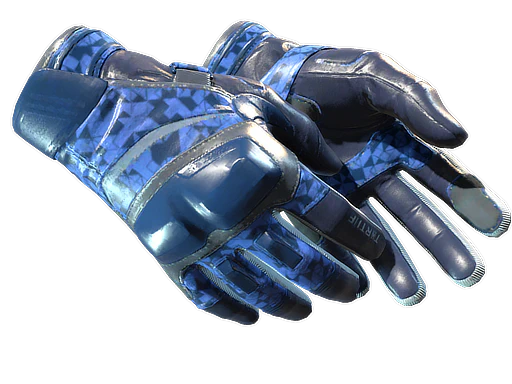
Premium glove money with a clear split between dirty and clean copies - demand is concentrated at the top while lower wears trade steadily. If you plan to move a pair, watch float and the clean-end premium; the market has been sliding lately so timing the cashout matters more than usual.
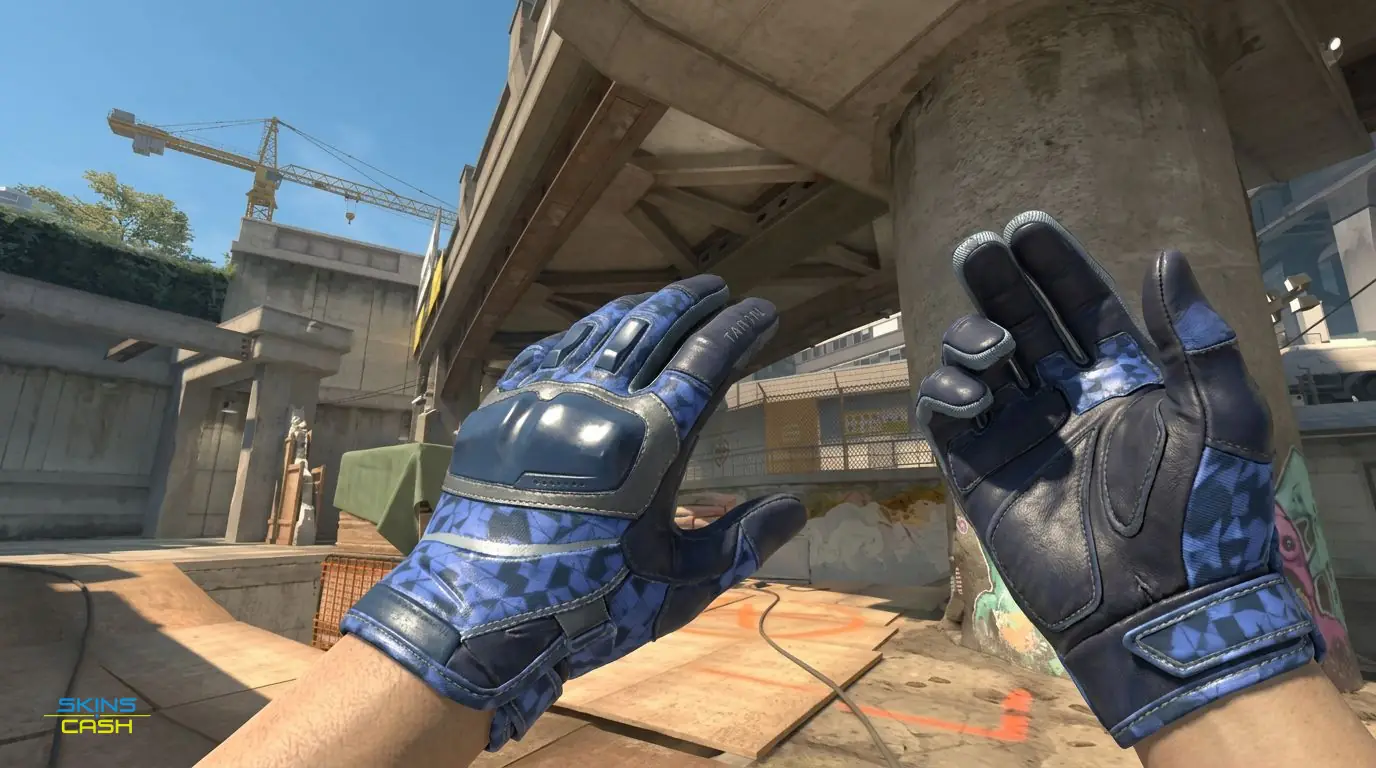


This sits firmly in the premium bracket for gloves: a high-value Extraordinary with buyer focus on the clean specimens and steady interest down the ladder. Sellers get the benefit of a recognisable designer and pro backing - Valve and a few named pros make listings easier to clear than anonymous drops - but expect a selective pool of buyers rather than impulse bids.
The payout curve is a steep cliff toward the clean end rather than a gentle glide; the best money is stacked on the very low-float copies and then steps down in clear bands. That stepped behavior is visible across the full-range float profile and creates distinct checkpoints for pricing when listing.
If you want skin-for-money, mid-clean wears tend to be the sweet spot before the clean-end premium takes over; these copies give a lot of visual impact without carrying the full trophy markup. Once you cross into the ultra-clean band the incremental return thins out, so sellers should weigh whether chasing the top float is worth the wait.
Listings often show a sticker significantly above what clears in a quick sale because buyer asks reflect the clean-end premium and listing psychology. Net cash will usually be below posted asks once you factor in the gap between optimistic ads and active bids; price to the market, not the headline.
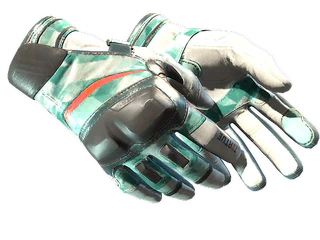
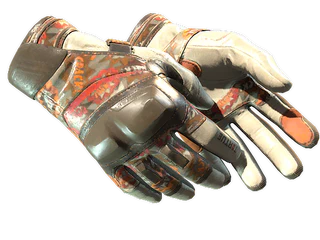
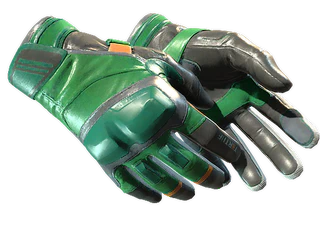
This finish reads sharply in Blue and loses definition noticeably as float rises, so buyers pay visibly for the cleaner face. Wear changes the look more than it changes the underlying pattern, and that visual drop translates directly into stepped price tiers.
Being Extraordinary props up the low end of the ladder; worn copies do not crater like common gloves because rarity keeps a base level of demand. That rarity floor makes quick exits workable even when the upper bands are quiet.
There is no pattern index noise here - Polygon has no pattern-driven variants - so price moves are pure float plays. You price by wear and market demand, not by chasing rare seed anomalies.
The dominant Blue palette reads clean in-game and pairs well with darker loadouts, which keeps a steady stream of interested players and collectors. Valve's execution gives the geometry a sharp contrast that holds up at mid-clean floats and sells the design without needing extra stickers.
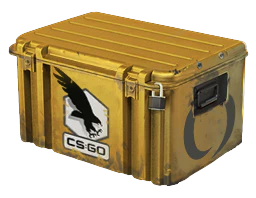
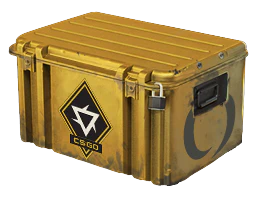
This glove comes from the Clutch Case, and that origin leans into the supply profile buyers expect from that container. Case provenance explains why the market has a full-range float spread and why supply appears in predictable bands.
Over the longer run this has bled down from a higher perch; the yearly trend shows a clear re-rating toward lower levels while the short term continues a softer decline. Traders should treat current quotes as part of a downwards slide rather than a stable plateau.
The historical band for this model is wide, with a large spread between top and bottom trades, which creates room for both opportunistic buys and cautious sells. Current activity sits somewhere inside that broad band and should be judged against the steep clean premium rather than a narrow market.
Sellers often list at the clean-end ask without checking float and then wonder why bids don't match; another trap is ignoring the stepped lower-tier spread and pricing as if the ladder were smooth. Check float, set realistic expectations for the clean premium, and price to the band you want to sell into rather than an aspirational top listing.