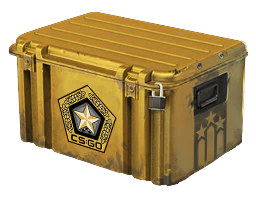
Mid-tier demand with a compact market: the Gut Knife Autotronic sits squarely in the mid bracket and trades to buyers who know floats and finishes. Expect reasonable liquidity at the mainline levels, but the long term slides have pulled tops lower and made the clean copies the only real standout for sellers.
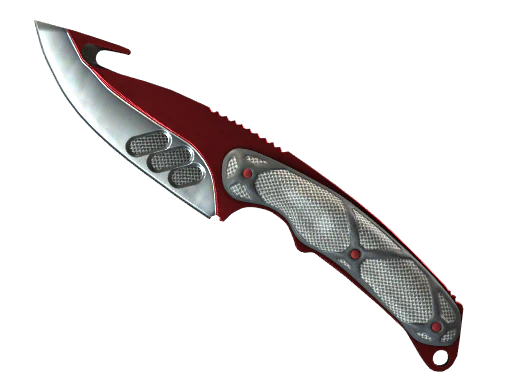
Mid-tier demand with a compact market: the Gut Knife Autotronic sits squarely in the mid bracket and trades to buyers who know floats and finishes. Expect reasonable liquidity at the mainline levels, but the long term slides have pulled tops lower and made the clean copies the only real standout for sellers.
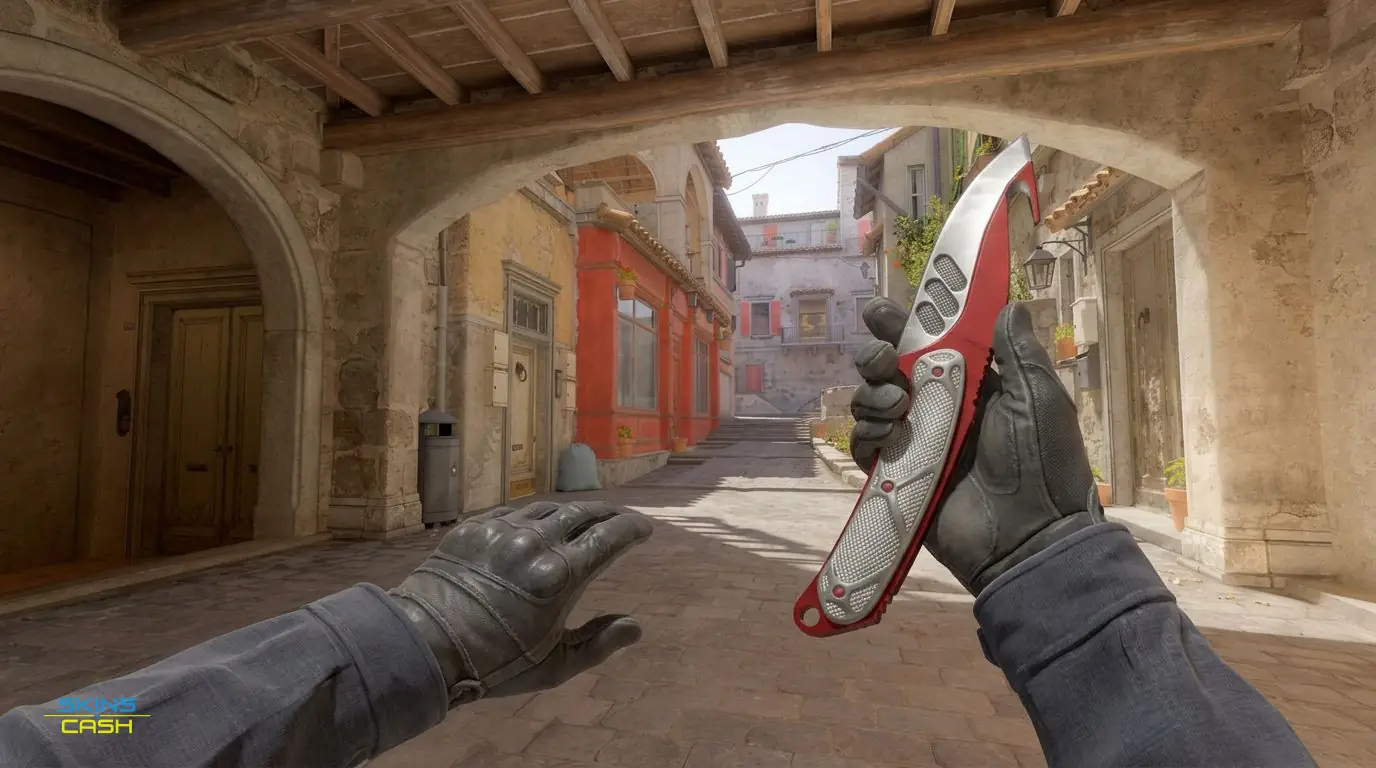
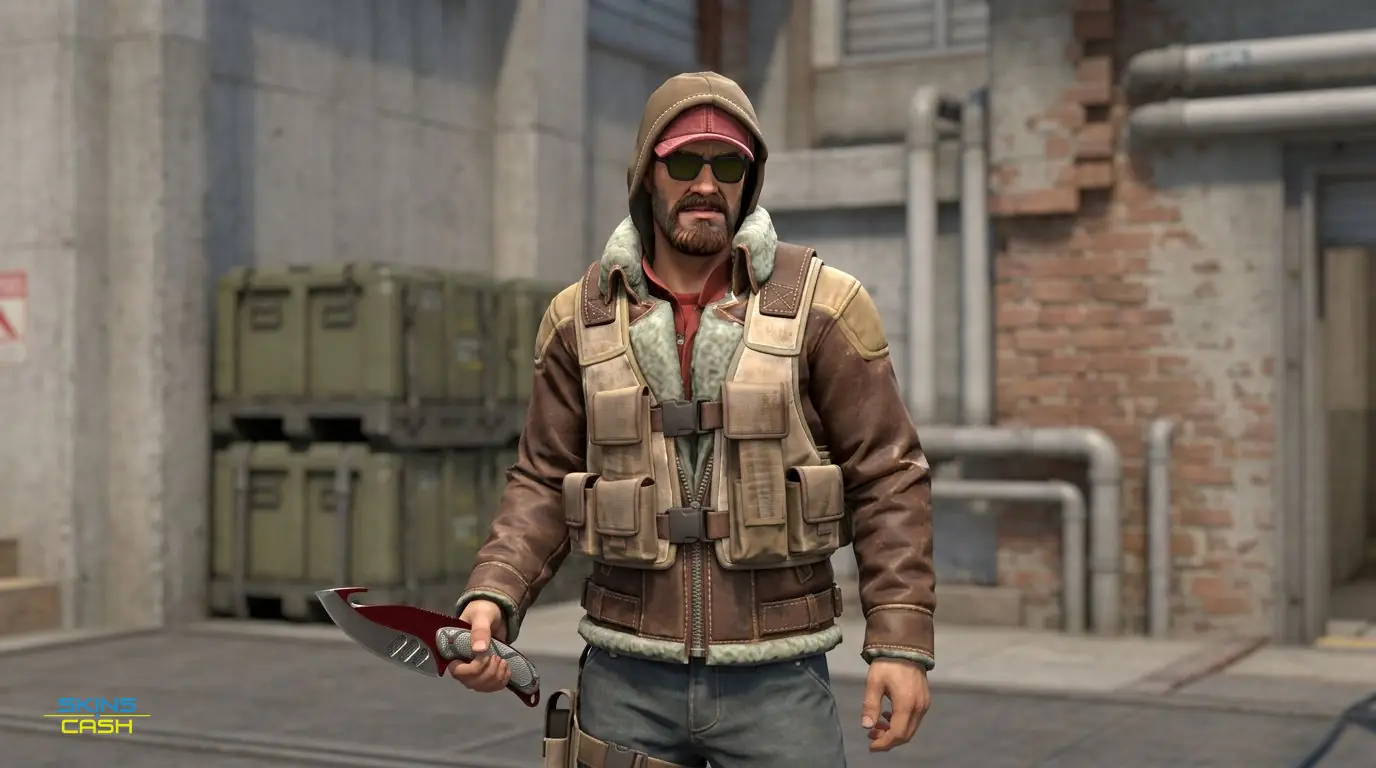
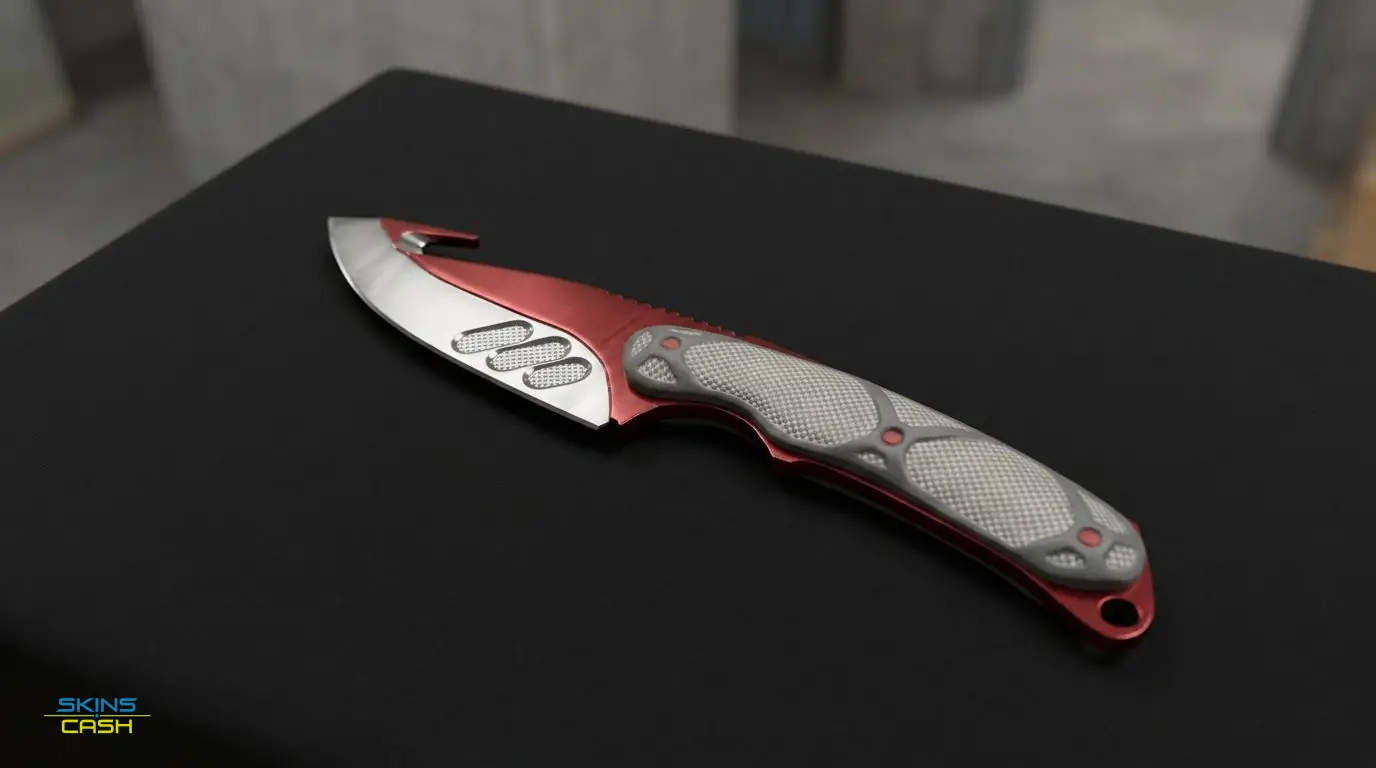
This is a mid bracket covert that lives in the mainstream lane rather than the grail rack. Buyers are selective but present; you will move copies faster than rare trophy blades but slower than budget sellers expect, so position accordingly when you list.
The ladder tilts toward the clean end with a capped profile that creates a sharper separation near the best wears and a gentler run through the middle. Clean copies win attention; the rest trade along a compressed band until the top tier breaks away.
Ask stickers on marketplaces sit noticeably above what sellers actually net because fees and the usual buyer margin compresses immediate cashout. Expect listings to hang higher and the cashout block to require negotiation, so price your take-home first and then set a public ask with that gap in mind.
Worn copies cluster together in payout, so a high-wear Gut Knife Autotronic rarely undercuts another worn example by much. If you hold a worn copy, it moves with the lower band; relisting at a small step can refresh attention without chasing an illusory premium.
Because the finish is capped, the bottom wears are cleaner than a full-range pattern would produce, which reduces tail risk at the worst end. That cap makes the low end more predictable and narrows the distance between mediocre and worn samples compared with open-range knives.
There is no pattern index volatility to worry about here, so seed quirks do not create surprise premiums. Float and finish are the price drivers; ignore seed-hunting and price to visible wear instead.
StatTrak versions exist and carry a steady separate curve that buyers follow; they do not behave like a small premium band but rather their own demand track. Sellers will see clearer separation between non-StatTrak and StatTrak listings, and movement tends to mirror the mainline but offset.
This blade is tied to the Gamma Case, so supply flows are governed by that case's circulation rather than event-only channels. Expect steady case-driven availability rather than rarity shocks from limited drops.
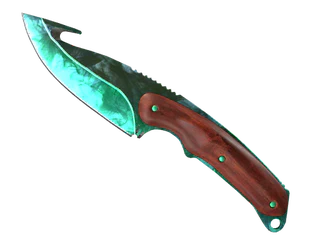
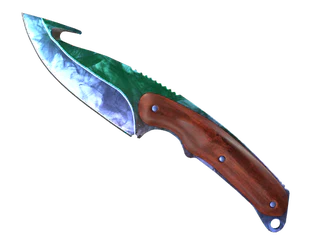
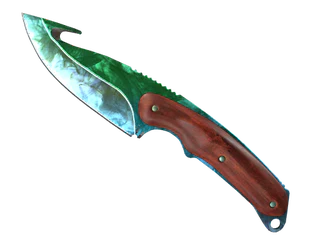
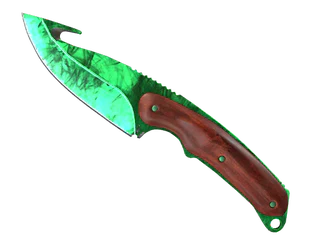
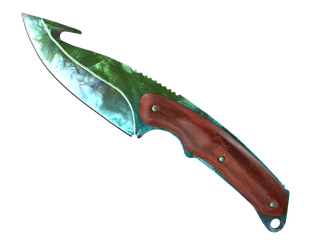
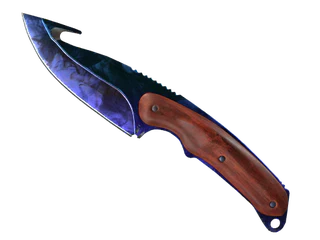
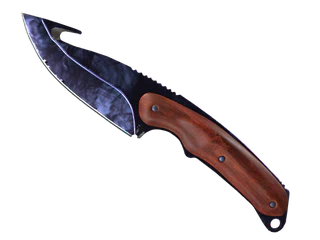
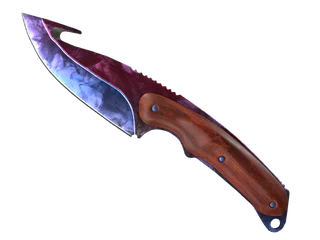
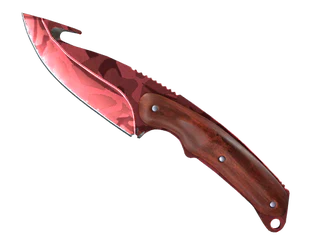
Autotronic reads red and gray through a Gunsmith finish, which sits well on the gut silhouette and keeps the blade visible in-game. The red accents are the attention grab; Valve's design keeps it crisp rather than busy, which helps buyers evaluate float at a glance.
The short window shows a soft downward drift while the longer horizon is firmly down hard, so overall momentum is negative even if the immediate slide is gentle. Sellers should factor that when timing larger listings.
Traders often list by sticker without checking capped float and treat worn copies like they have more spread than they do. Avoid that by confirming float sits inside the cap and by comparing active cashout offers, not just marketplace asks.
Named players like Hyper, ultimate, and Ex3rcice give the skin periodic visibility at tournaments and streams. That familiarity keeps baseline interest higher than an anonymous covert and helps move desirable copies when the scene turns attention toward it.