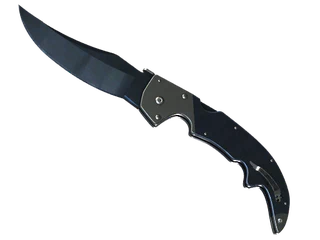
Mid-tier demand with a clear separation between superfresh and the rest. The capped float plus moderate factory-new premium makes the clean copies the obvious hold, while the lower end moves slowly and needs patience to cash out.
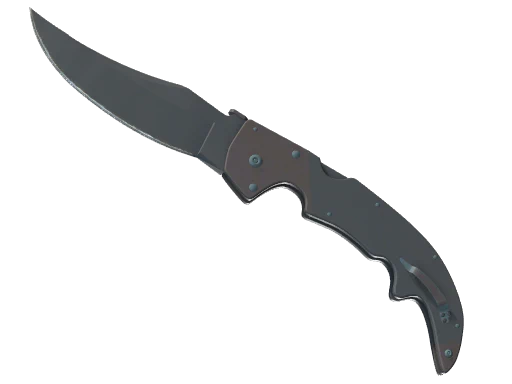
Mid-tier demand with a clear separation between superfresh and the rest. The capped float plus moderate factory-new premium makes the clean copies the obvious hold, while the lower end moves slowly and needs patience to cash out.
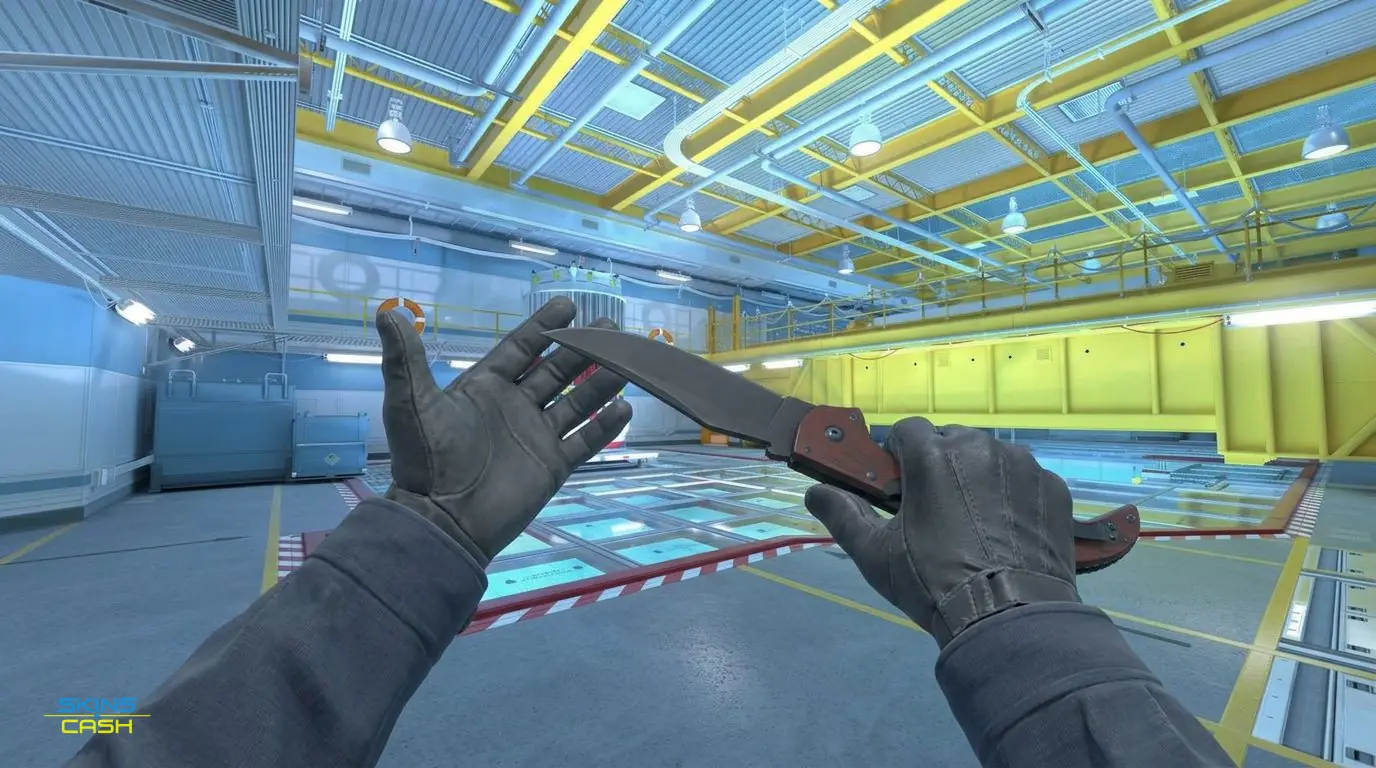


Mid bracket skin in practical terms: respectable interest but not a magnet for casual buyers. It behaves like a mid-price collectible where dedicated buyers hunt the clean floats and most listings compete in a quiet band below them, so sellers should expect selective demand rather than broad-market interest.
The ladder is lopsided toward the clean end with a notable kink where premium starts to kick in; payouts step up sharply for the very best floats and then flatten across the middle-to-worn band. Expect a compact cluster of prices through the worn side and a steep climb into the top tier rather than a smooth slope.
Listing sticker and real cashout diverge because buyers bite cautiously on mid-tier knives; ask prices sit above where offers will clear. Factor in the market's reluctance to chase slightly worn copies and the extra premium buyers demand for pristine copies when you set a cashout target.
Where you get the most skin for money is in the mid-to-top worn range: noticeably nicer than the lowest band but not yet into the premium clean bracket. The payout stops rewarding cleaner float once you cross into the true clean cluster, so selling just below that threshold often yields the best tradeoff between price and ease of sale.
Because the finish is capped, 'worst' copies are cleaner than comparable uncapped knives and the bottom of the ladder looks compressed. That behavior tightens the worn side and pushes more meaningful price separation into the cleaner floats rather than spreading it evenly across all wears.
There is no pattern noise to juggle here, so seed is not a pricing factor - float and finish alone explain buyer behavior. That keeps listings straightforward: two sellers with identical floats will trade on the same merits without a hidden seed premium.
Covert rarity gives the item baseline collectibility but the floor is not robust; weakest copies sit on a soft base and can languish if priced too optimistically. Treat the rarity as a support, yes, but not as insurance against long holds or heavy markdowns.
It comes from the Falchion Case, which means supply is tied to that release profile rather than ongoing drops from broad operations. Expect the usual case-driven supply cadence to govern how often fresh examples hit the market.
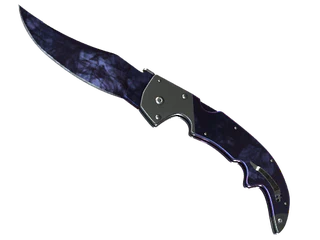
Flat black and slate gray read clean in play and stay discreet in most lighting; the solid-color finish keeps silhouettes sharp and consistent. Valve's design here favors a minimalist presentation that appeals to players who want an understated, tactical look rather than flashy accents.
Over the last year the sentiment has re-rated upward strongly, though the past month shows a gentle pullback. In short, longer-term momentum is positive while short-term noise has trimmed some of the air out of the recent highs.
The usual errors are ignoring the capped float dynamics and lumping mid-worn copies with truly clean ones when setting a price. Also watch mislabeling StatTrak as regular or vice versa - that and failing to account for the compressed lower-tier spread will cost you time and money.
Among traders and collectors this knife sits as a respected mid-market choice - not exalted, but wanted by buyers who prefer a muted palette. Sentiment is practical: people trade it for looks and float, not for headline-grabbing status.