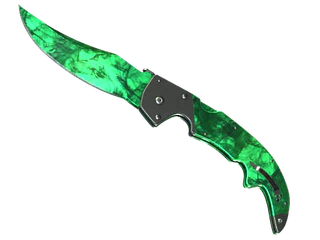
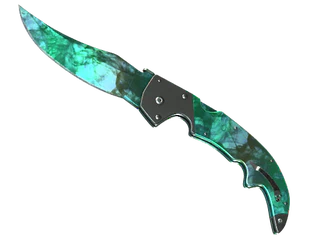
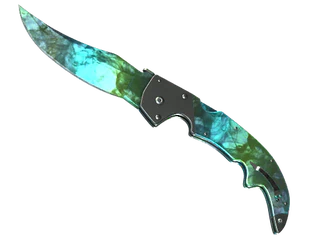
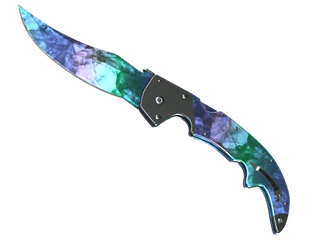
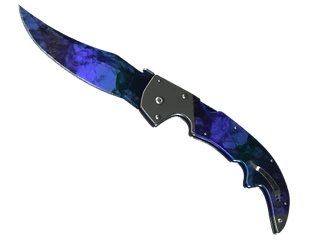
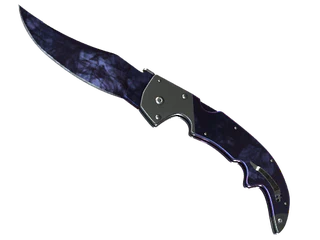
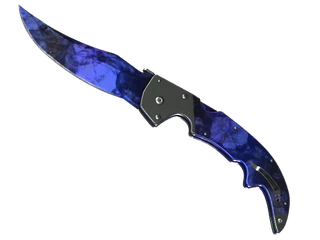
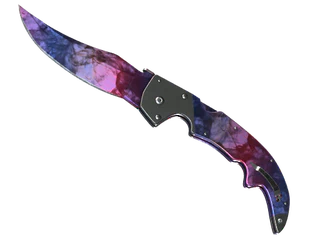
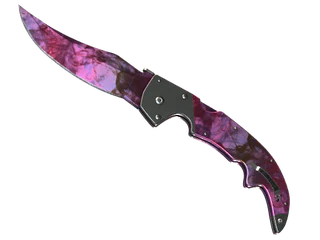
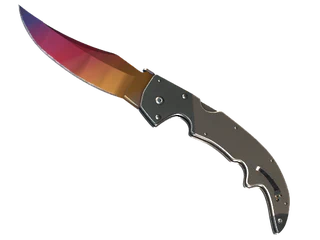
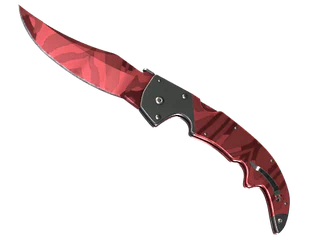
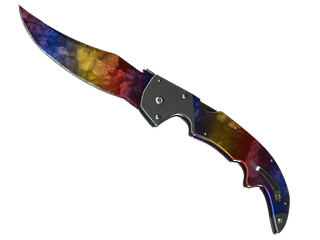
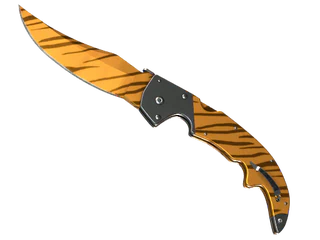
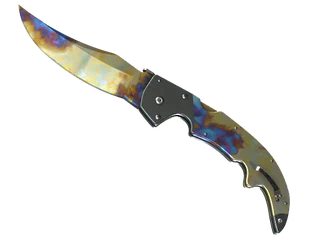
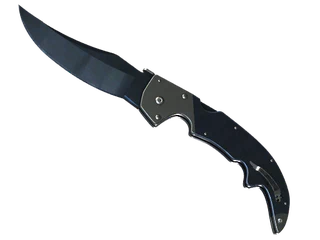
A mid-tier Covert blade with a capped float profile that concentrates value toward the cleaner end. Demand is steady but the one to watch is the clean, low-wear copies and the Stattrak variant when it shows up - those are where buyers cluster and where you can extract a sensible cashout.
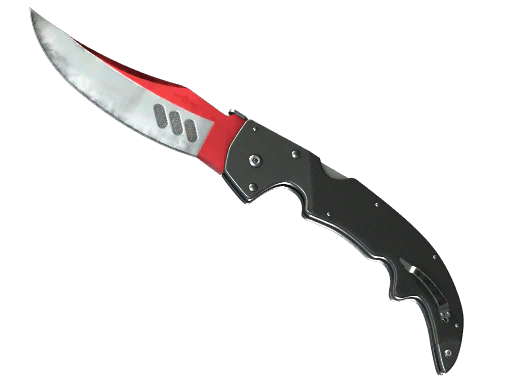
A mid-tier Covert blade with a capped float profile that concentrates value toward the cleaner end. Demand is steady but the one to watch is the clean, low-wear copies and the Stattrak variant when it shows up - those are where buyers cluster and where you can extract a sensible cashout.
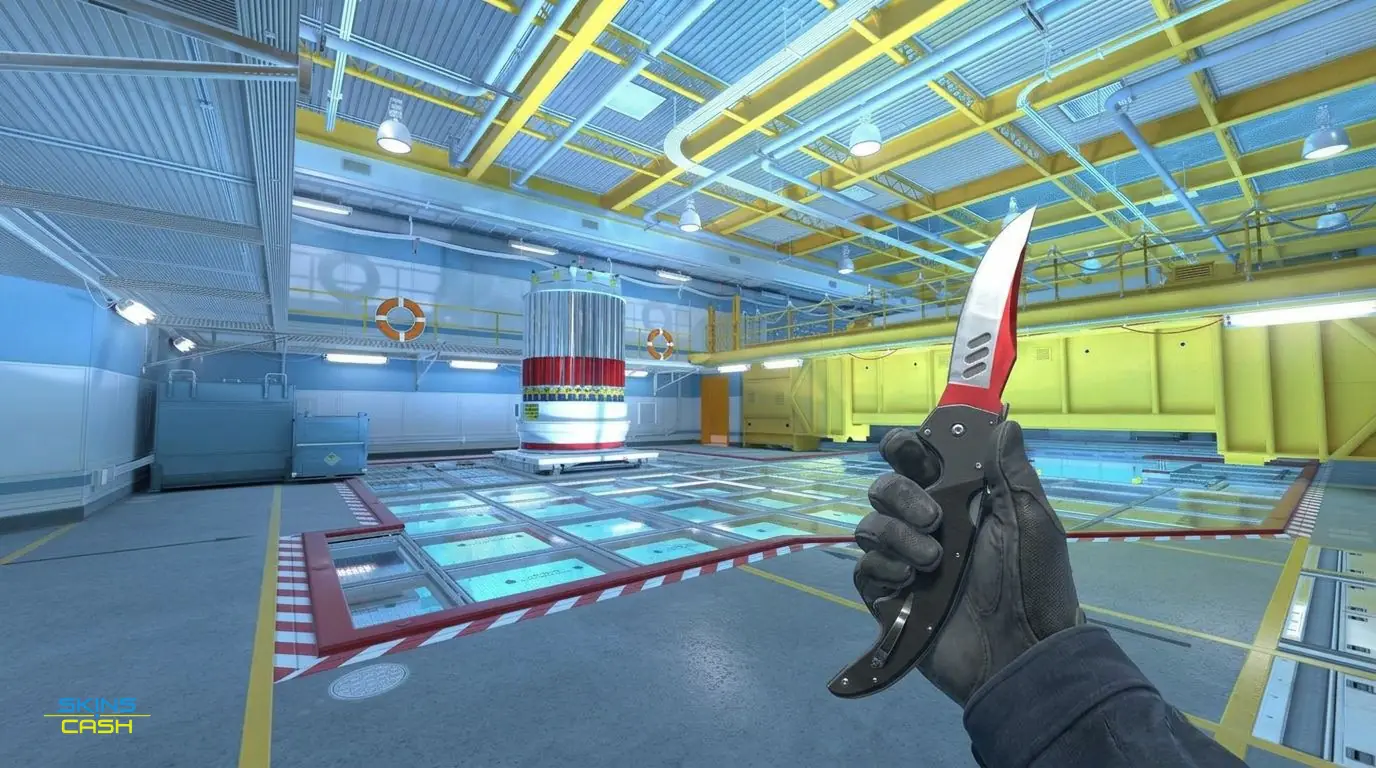

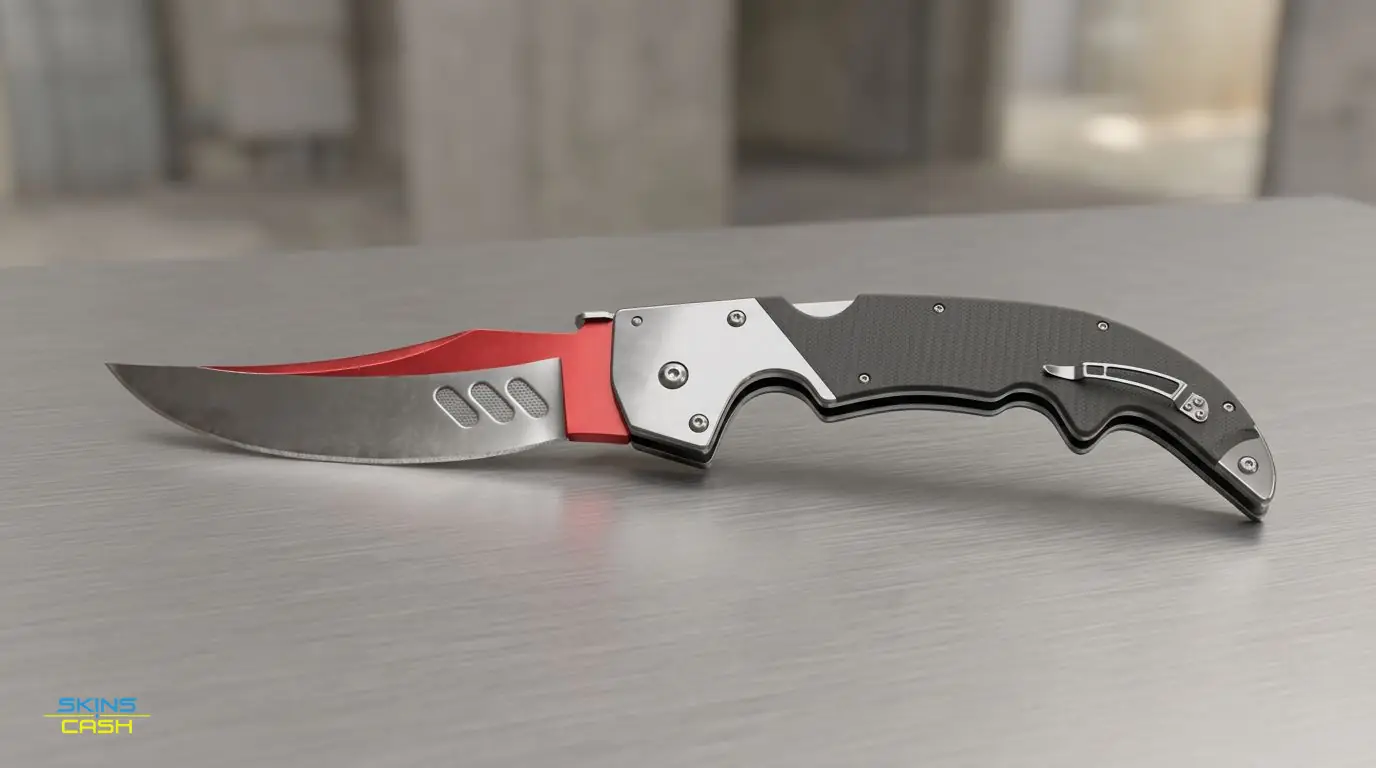
This sits squarely in the mid bracket among knives: not grail-money, not budget filler. For a seller that means steady interest from mainstream collectors and players rather than speculative bidders, so you price for practical exits rather than long hold plays.
The wear ladder has a clear slope with the premium stacked into the clean end and a gentler decline through the mid weares. The payout curve is not an even ramp - expect tighter moves across the mid-floats and the clearest copies to separate from the rest.
Listing stickers rarely equal what you net; the practical spread widens because buyers target cleaner floats and take time to appear for worn ones. Factor in the market friction when you set a cashout target: listings show ambition, your payout is the realized exit after the spread and demand shape.
The most cost-effective copies live around the upper-mid wear where the look is good but the clean premium has not yet kicked in heavily. Beyond that point the incremental gain for slightly cleaner floats falls off, so you stop chasing tiny float gains unless you have a shoot-for-the-top copy.
This Gunsmith finish does not span the full float spectrum, so the bottom-of-ladder copies read cleaner than typical worn knives. That compresses the tail and changes how buyers view the worst wear: they feel less like bargain worn pieces and more like usable blades.
Pattern does not move the price here; there are no seed quirks to hedge around with this model. Float and Stattrak status are the levers buyers use, so pricing is straightforward once you know those two attributes.
Being Covert underpins a respectable base level even when wear is high, so the low end does not crash the way cheaper tiers can. That rarity support keeps the bottom of the ladder from drifting into budget territory and makes even worn copies tradable.
Coming out of the Operation Riptide Case puts supply on a steady, known track rather than an open seasonal gush. The case origin signals limited but continuous supply, which is why the ladder holds its shape instead of spiking or evaporating.
Red and Gray over a Gunsmith finish give the Falchion a clean, industrial contrast that reads clearly in play. Valve's design lines are present - restrained, functional - so it photographs well in screenshots and plays well under different map lighting.
The all-time band for this Falchion has been wide, with sizable swings between highs and lows driven by market mood. Current positioning sits somewhere inside that band rather than at an extreme, which makes it a candidate for tactical sell decisions when spikes occur.
Traders often list by sticker emotion instead of float first, or they forget to separate Stattrak copies from normal ones when setting expectations. Avoid both; check float, confirm Stattrak, and price to the demand shape rather than the listing hype.
Named pros like Dycha and DANK1NG have carried the design into public view, so rare clean copies pick up extra attention from fans and collectors. That visibility translates into deeper pockets for the top-tier floats when they surface.