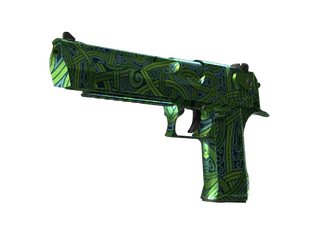
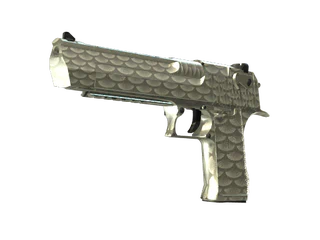
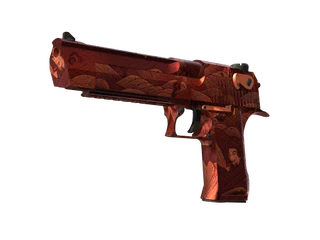
Budget Classified Desert Eagle that trades like a niche play-high floor, thin market, and a clear premium for the cleanest copies. Demand has been moving up hard recently, so sellers can expect solid bids if they time the clean end right.
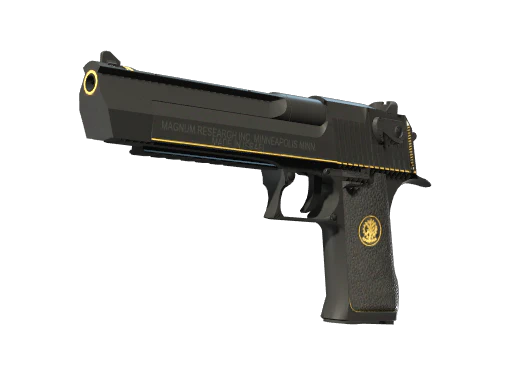

Budget Classified Desert Eagle that trades like a niche play-high floor, thin market, and a clear premium for the cleanest copies. Demand has been moving up hard recently, so sellers can expect solid bids if they time the clean end right.
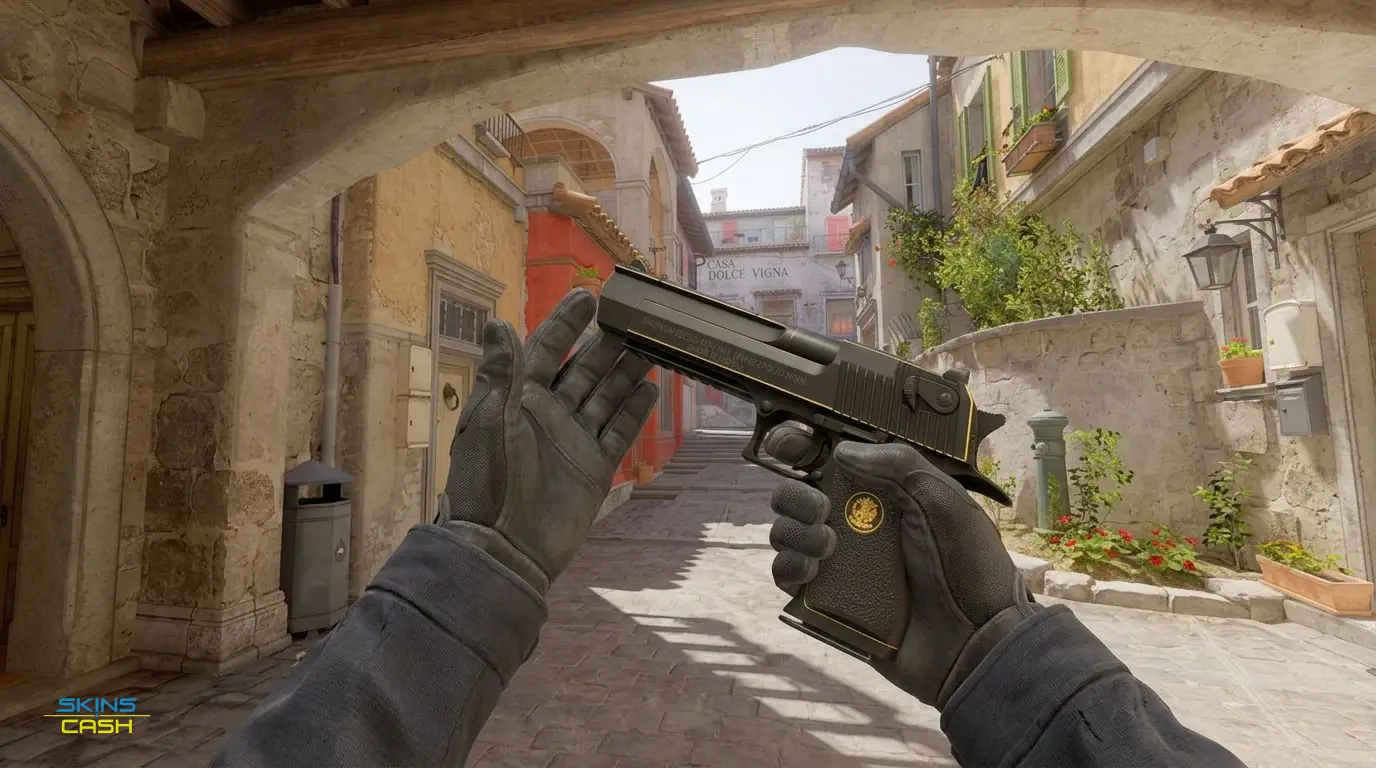
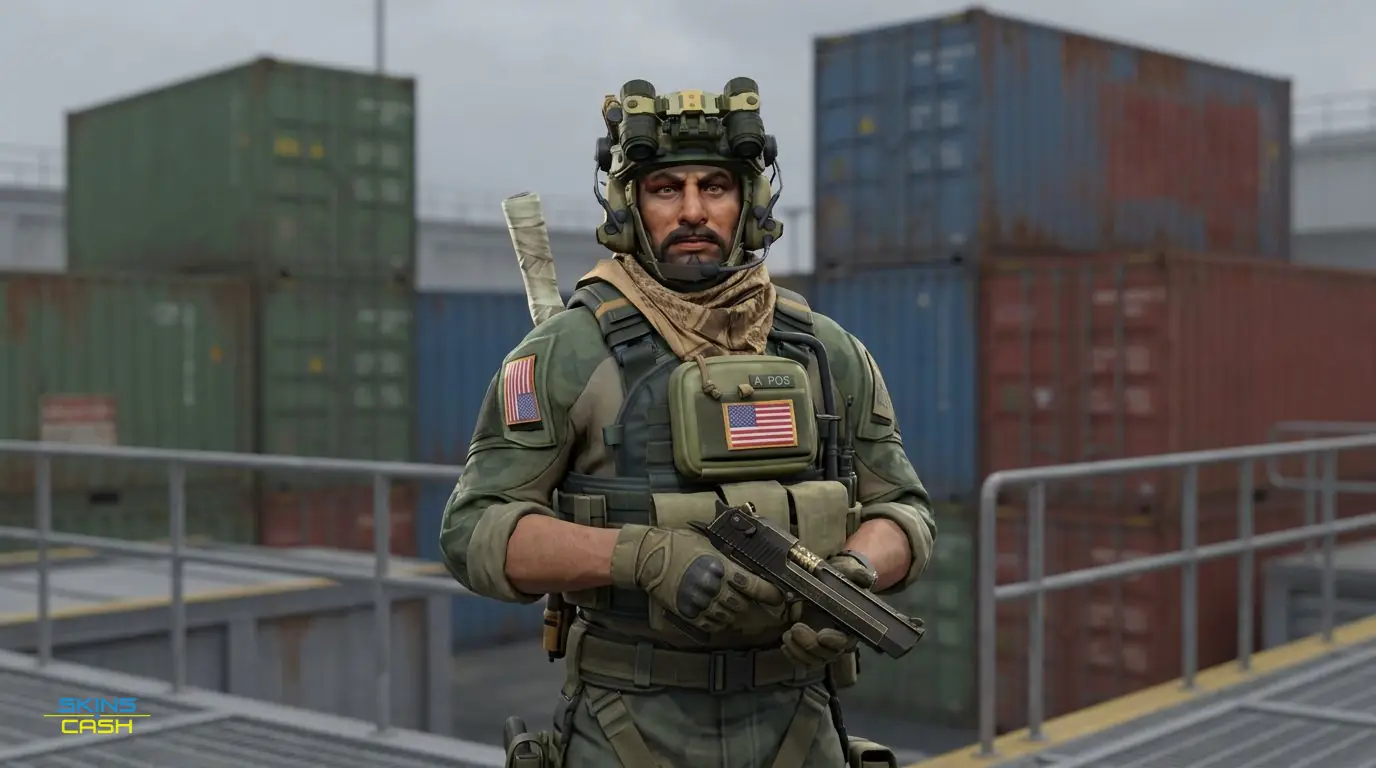
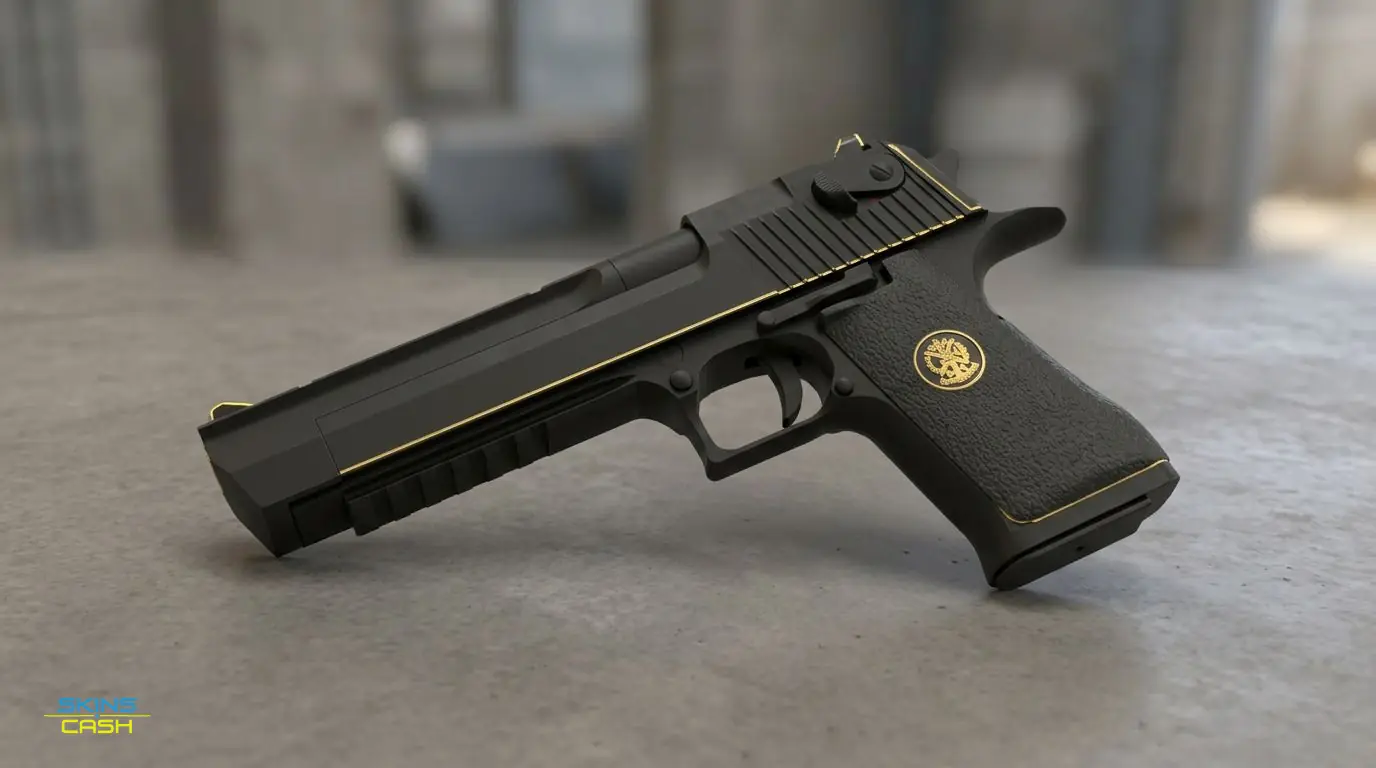
This Desert Eagle sits squarely in the budget Classified bracket and behaves like a niche hold for traders rather than a mass-mover. Buyers are selective: they want clean copies or specific Stattrak examples, and casual listings tend to sit. As a seller you work the ladder and time the upticks, not spray a wide flood of listings.
The payout curve is capped and stepped, with a tight band at the clean end and a pronounced drop after the top tier of wear. There is a moderate premium for flawless factory-condition copies that traders recognize, then a lower, flatter band stretching through the rest of the ladder. The capped float means the worst copies never sink to the usual bottom, so the slope below the clean peak is gentler than for an uncapped finish.
Expect a visible gap between listing sticker figures and what you actually net when you cash out: the market is thin, so bids sit below asks and buyers pick. Those who list aggressively see longer times to fill; those who price to sell will take the spread. Factor in the moderate factory premium when setting your seller price if you hold a clean or Stattrak copy.
Mid-to-worn copies are where skin-for-money is strongest; you get the look without paying the clean premium. The payout stops rewarding a cleaner float once you climb past the capped top tier, so chasing that last micro-clean will cost more than it returns for most sellers. If you need cash, move the mid-ladder stock first and keep the top-end pieces for a better market day.
Because this finish is capped, the most worn copies remain cleaner than typical Desert Eagles, which compresses supply at the lower end. The usual rubbish-tier discount is shallower here, which stabilizes the floor and reduces volatility on the bottom wear. Traders read that as less downside risk on worn copies but also a narrower upside band for incremental float improvements.
Classified rarity underpins a surprisingly high floor even for worn examples; collective recognition of the rarity keeps bids from collapsing. That support is visible despite a thin pool of active buyers, so liquidation on the low end tends to be orderly. Use rarity as the base when you set reserve expectations.
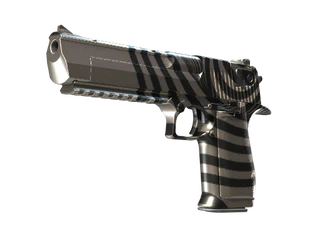
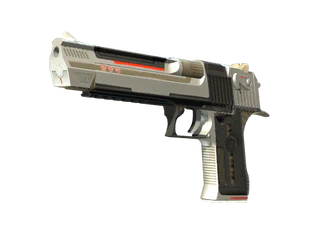
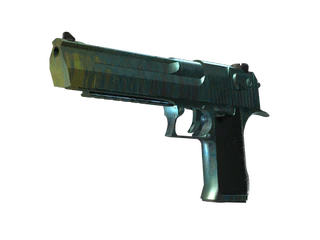
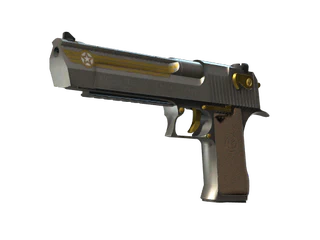
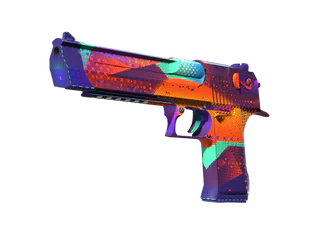
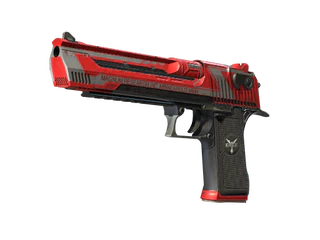
Hybra's custom paint job leans the pistol into a stark, tactical palette: black and gray with high-contrast edges that read clearly in-game. It's understated and practical, and that muted look pairs well with darker loadouts and team stickers. The finish keeps the silhouette legible at distance, which is why players sometimes prefer it in actual play.
Momentum has been upward recently, with buying pressure pushing the market hard over the short window. That buying is concentrated at the clean end and on Stattrak variants, which is what's lifting visible prices. If momentum holds, the clean supply tightens further and premiums firm.
People often list for the wrong market tier or ignore the capped float when pricing. Another common error is treating stickered or Stattrak copies like base variants; they attract a different buyer and need a different ask. Double-check float caps and the Stattrak flag before you set an aggressive sticker price.
The community treats this Deagle as a practical, playable Classified rather than a grail. Respect for the designer and the clean-finish look keeps steady interest, and competitive name associations nudge collectors occasionally. That translates to quiet but consistent demand rather than viral spikes.