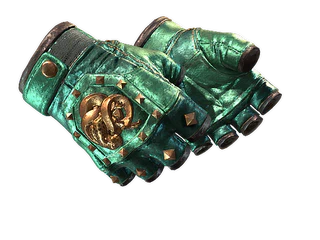
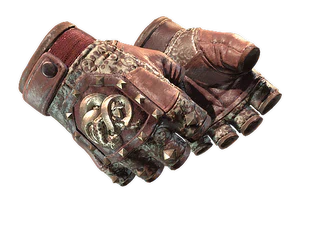
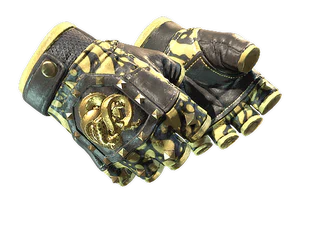
Mid-tier demand plus a broad wear spectrum makes this a liquidity play more than a quick profit flip. The clean copies command a large premium while the worn end sits close to a weak floor, and recent action has been sliding down hard - pick your exit by float, not by whim.
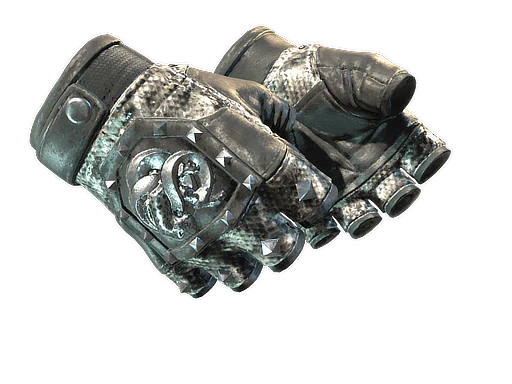
Mid-tier demand plus a broad wear spectrum makes this a liquidity play more than a quick profit flip. The clean copies command a large premium while the worn end sits close to a weak floor, and recent action has been sliding down hard - pick your exit by float, not by whim.
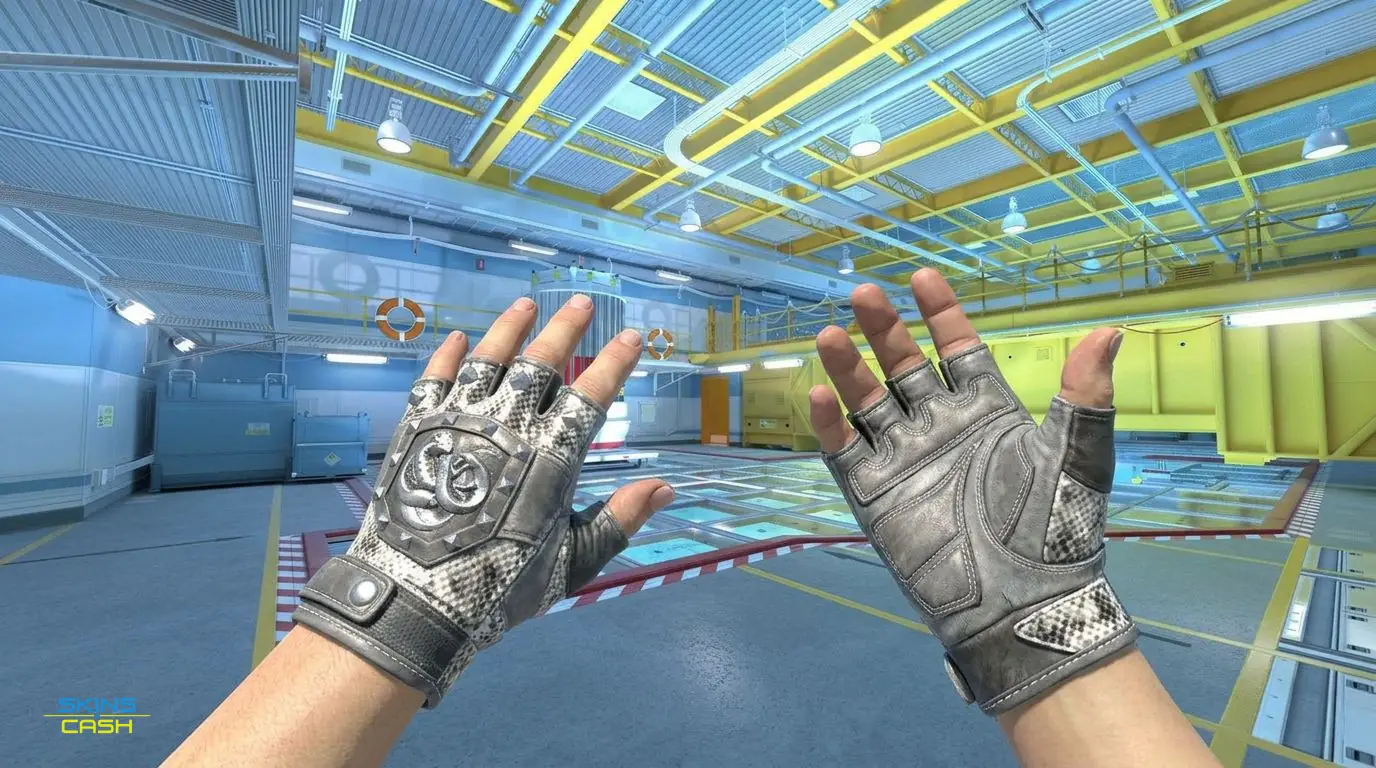
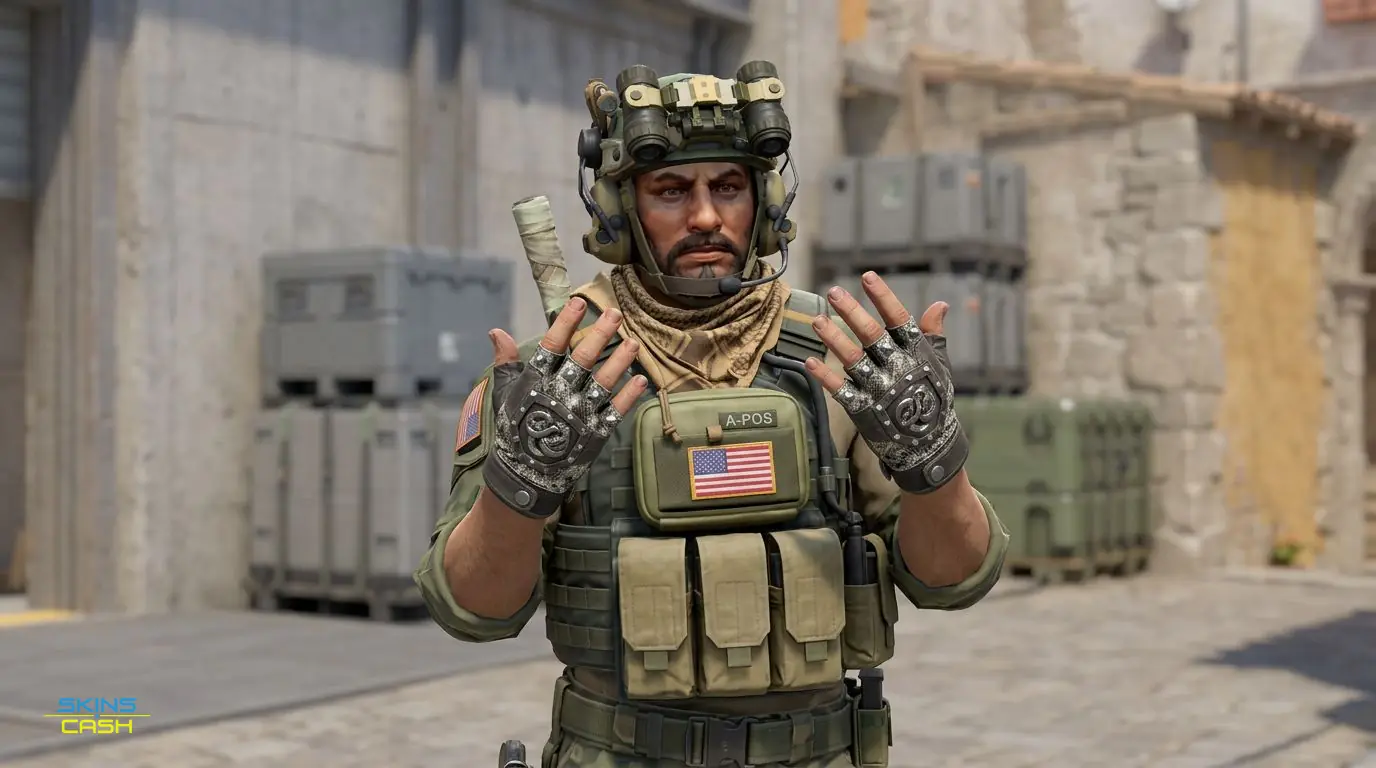
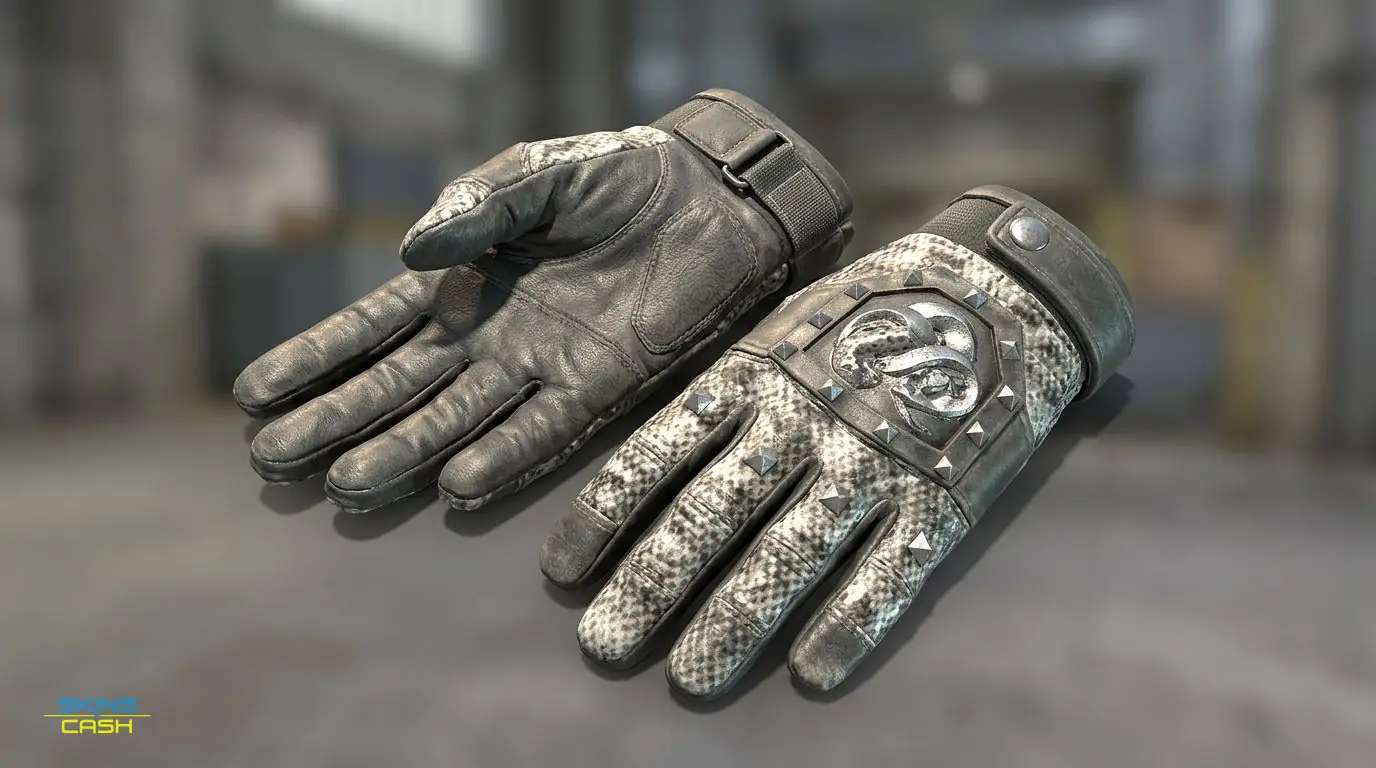
This sits squarely in the mid bracket for trading attention: not a grail but not budget either, and it behaves like a mainstream Extraordinaire that moves with wear. For a seller that means reasonable buyer depth at sensible asks, but you should not expect instant lifts - liquidation is serviceable, gains live at the cleaner end.
The ladder is steep near the top and flattens quickly as wear increases, so value clusters toward the clean end while most other copies compress together. That steep top premium is the real engine here; once you slide past the near-mint zone the payout slopes into a much gentler decline.
Expect a noticeable gap between listing stickers and what you net after fees and takers; the large clean premium inflates buyer sticker prices more than the cashout band. Sellers commonly see the spread widen when a few immaculate copies sit on market, so real net often trails the headline ask.
The best skin-for-money lives in the mid-clean wear band where you still get most of the premium without hunting for perfection. Past that sweet spot the incremental gain for chasing cleaner floats drops off and you stop getting rewarded for the extra care.
This runs the full float spectrum, so float discipline matters when picking a copy to sell: identical art can behave very differently depending on where it sits. That full range creates opportunities for patient sellers to segment supply and extract the clean premium or clear inventory at the low end.
There is no pattern-driven pricing here, so pattern index is not part of the equation and you avoid seed noise when valuing copies. Price movement is governed by float and rarity alone, which simplifies listings and removes one variable from negotiations.
Being an Extraordinary raises the structural floor even when wear is heavy, so the lowest tier stays supported by rarity rather than design alone. That underpinning keeps the bottom from collapsing the way budget skins can, giving sellers a safer exit on worn copies.
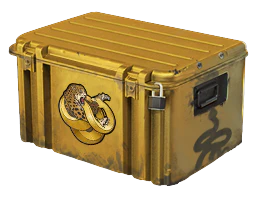
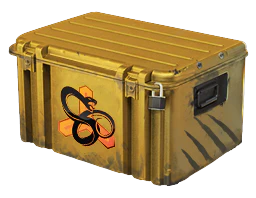
This glove originates from the Operation Broken Fang Case, and that supply channel shapes availability; cases like this put a steady stream into circulation but don't create the same scarcity as older containers. The case origin explains why clean copies are scarce relative to the worn middle.
A stark black finish gives these gloves a discreet, aggressive profile in-game: the dark palette reads clean at distance and pairs easily with many weapon skins. Valve's design keeps the silhouette readable under combat lighting, which helps demand from players who value understated gear.
Trading history has shown a wide band between the weakest and strongest market points, with performance swinging across cycles. Current placement sits well within that broad band rather than at an extreme, so sellers will want to respect how far the price can move in either direction.
If you are acquiring to resell, enter near the ask band that already reflects the clean premium rather than chasing listings above it; the market punishes impatience. Focus on float brackets that match your exit horizon and ignore low-end noise when building a trade.
Associated with kennyS, this glove gains everyday visibility from a named pro which translates to steady, if not fevered, interest. That single pro link keeps the skin in view for collectors and players who follow tournament play, helping sustain baseline demand.