Mid-tier demand with a firm floor and a pronounced premium for clean copies - buyers treat the best floats as different animals. The float band is capped, so works-in-wear are predictable; StatTrak inversion complicates where value actually sits when you list.

Mid-tier demand with a firm floor and a pronounced premium for clean copies - buyers treat the best floats as different animals. The float band is capped, so works-in-wear are predictable; StatTrak inversion complicates where value actually sits when you list.
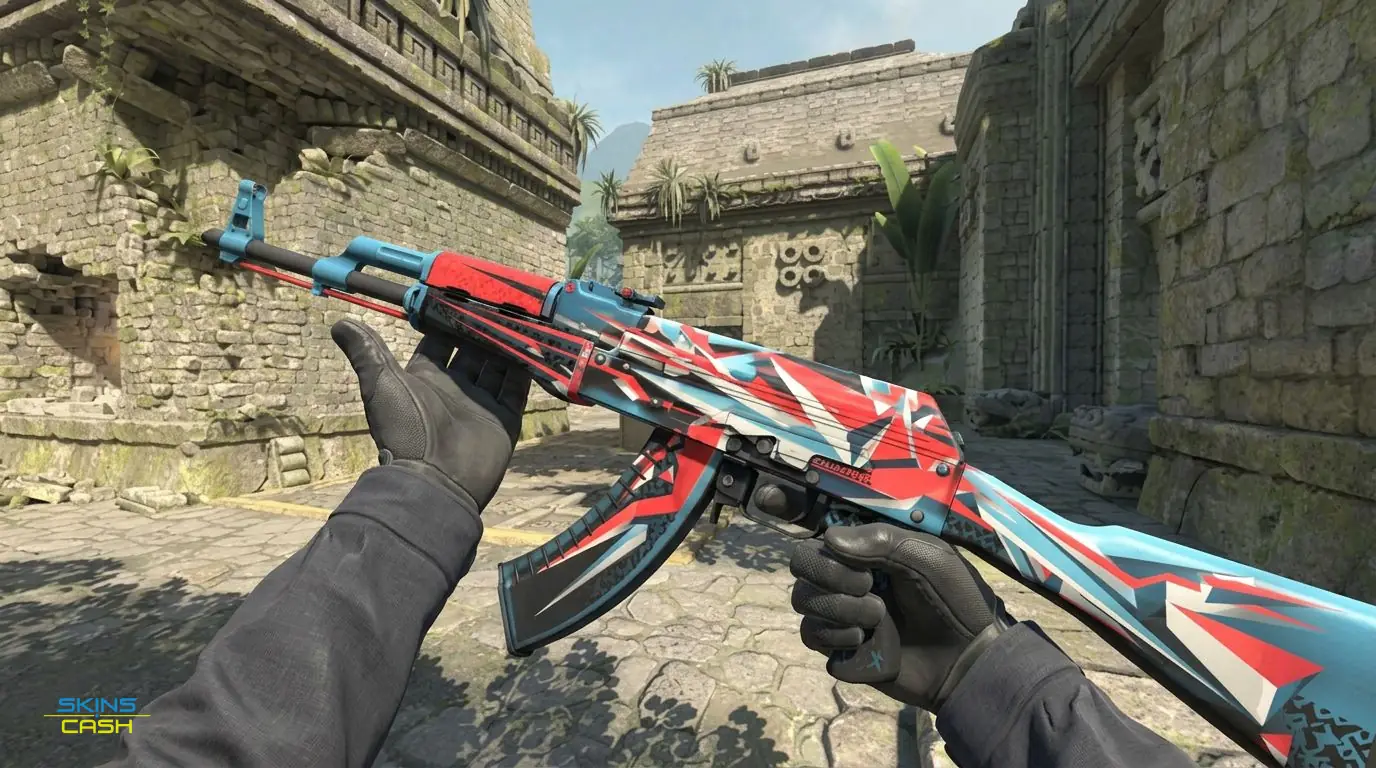

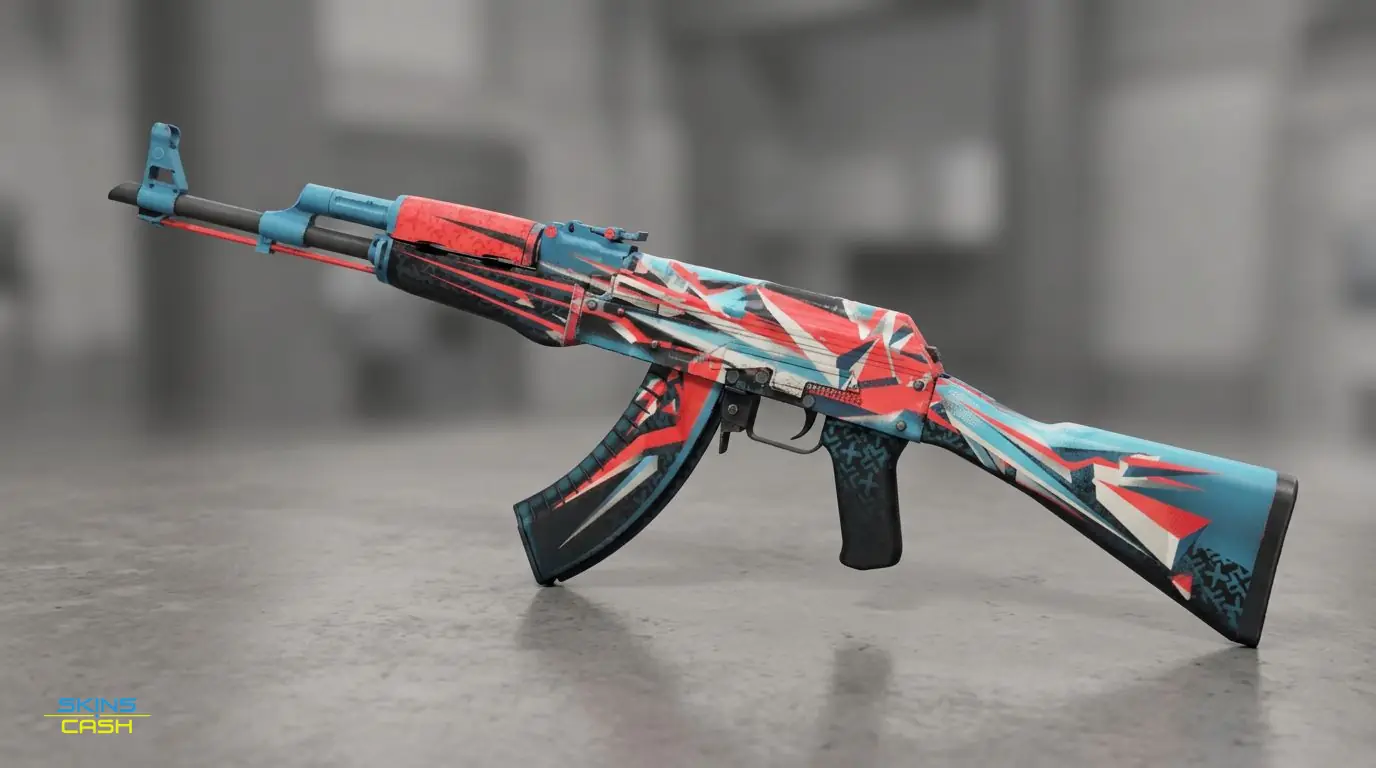
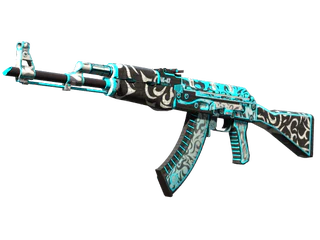
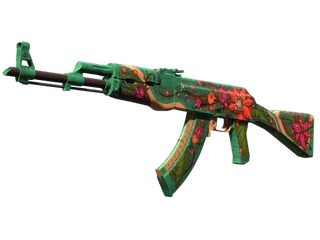
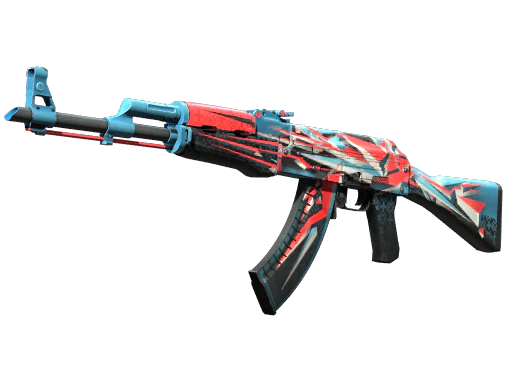
AK-47 | Point Disarray sits squarely in the mid bracket for its type, where steady interest beats sporadic hype. That mid slot means turnover is reliable among traders who know the Revolver Case roster, and a high underlying floor keeps worn copies from collapsing into bargain bin territory.
The payout curve is top-heavy: a large premium concentrates at the clean end while the rest of the ladder forms a long, shallower run. Capped floats tighten that upper band, so the gulf between the very best and everything else is sharp rather than gradual.
The worn copies live in a tight band thanks to compressed lower-tier spreads, so small float differences down low move little value. If you hold a dirtier Point Disarray, don't expect a float tweak to unlock more cash - liquidity and demand cluster here instead.
Middle wear is where skin-for-money looks healthiest; you avoid paying for the heavy clean premium yet keep the look that buyers tolerate. Past a certain clean threshold the payout stops rewarding you, so aim to sell before you climb into that steeper premium region.
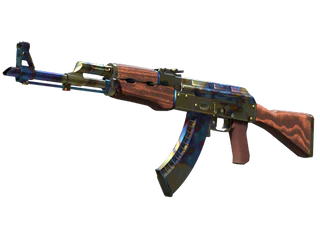
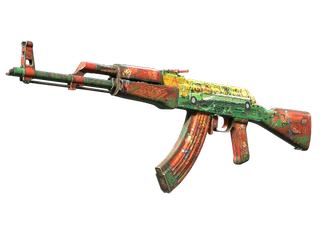
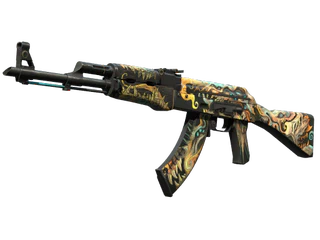
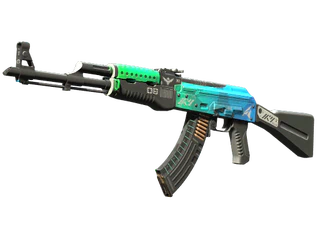
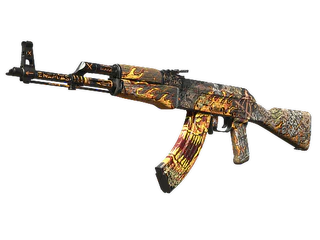
This finish shows wear in a way buyers notice on inspection; cleaner faces read distinctly better thanks to the blue and pink palette and the custom paint job by ClegFX. Buyers do pay up for the visual clarity on the clean end, but the capped profile makes those jumps less frequent than on uncapped finishes.
In the StatTrak line you can see a counterintuitive flip: a tougher-looking StatTrak can out-price a cleaner non-StatTrak because of collector and tracker demand. Watch the StatTrak listings and buyers' behavior closely - the tracker badge shifts market mechanics more than raw wear here.
Being Classified underpins a resilient low-floor; that rarity keeps the worn end from softening too far even when the broader market stalls. The classification acts like a safety rail for sellers moving older, more worn copies.
Point Disarray originates from the Revolver Case, and that provenance frames supply expectations every time the case cycles through attention. Case origin makes it familiar to traders and keeps new supply predictable rather than explosive.
Belonging to The Revolver Case Collection gives the skin a mainstream profile rather than niche collector heat, so demand comes from steady buyers rather than one-off speculators. The collection association supports repeat searches and keeps this design visible in trade threads.
The longer-term direction has been an upward re-rating, though recent moves show a soft pullback over shorter horizons. That mix means traders are revaluing the skin upward overall, but short-term listings can be softer when the market takes a breath.
Sell into the spread and let bidders come to you; with a strong floor and a fat clean premium, undercutting buys you nothing but speed. Use the live price block as your anchor and step sales carefully so you don't dump into the tail of buyer activity.
Names like byali, shox, and karrigan are attached to this pattern and they keep a steady trickle of eyeballs on listings. Pro visibility here translates into repeat searches and more consistent buyer interest than a pattern without those associations.