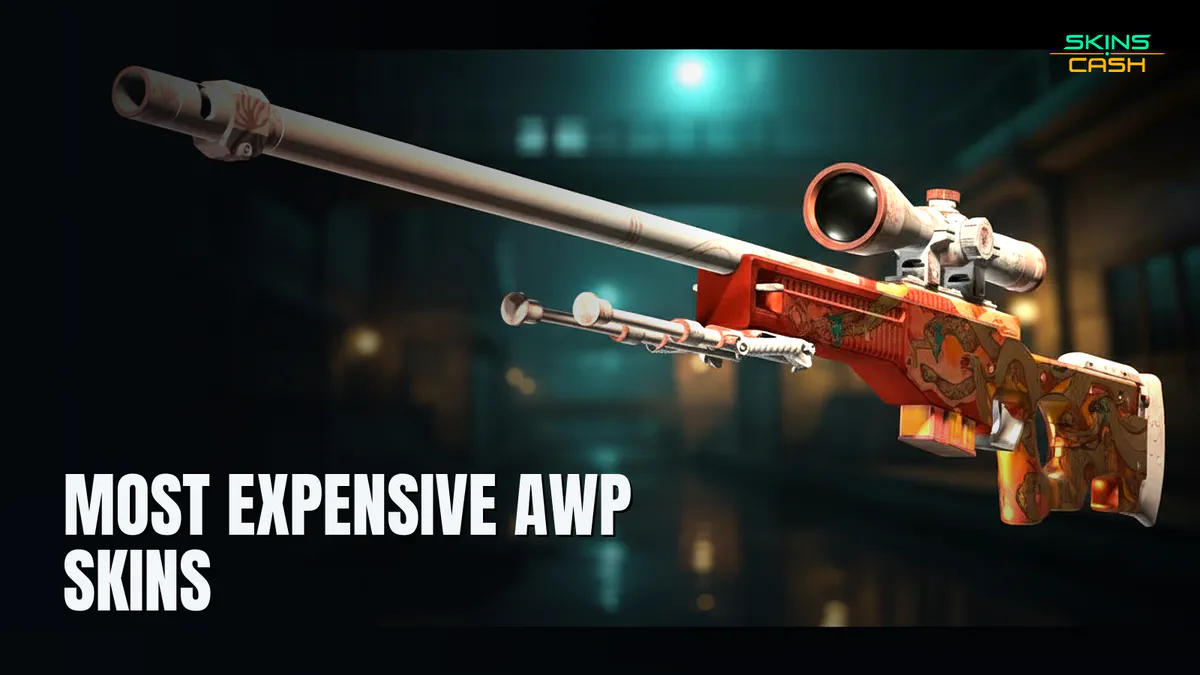
Most Expensive AWP Skins

Table of Contents
Most Expensive AWP Skins
The most expensive AWP skins in regular 2026 trading are AWP | Gungnir and AWP | Dragon Lore, followed by collection Covert finishes such as AWP | Medusa and AWP | The Prince. Their value is not just about a rare red-tier finish. It comes from constrained collection supply, wear condition, and, for a few individual items, collector provenance that cannot be reproduced.
A float is the wear number assigned to a skin. Lower float usually means cleaner condition. Factory New runs from 0.00 to 0.07, while Battle-Scarred runs from 0.45 to 1.00. Some AWPs cannot reach every wear tier because their item definition has a limited float range.
Covert is the top rarity for ordinary weapon skins. It is not the same thing as Extraordinary, the ★ rarity used for knives and gloves. The skin market also separates a normal, liquid AWP from a one-of-one-style collector specimen with rare stickers, an exceptional float, or Souvenir provenance.
Methodology: item rarity, float caps, and collection details come from the CS2 item database. Market levels are approximate as of 2026.
Record AWP Sales, Offers, and Disputed Figures
The highest price attached to an AWP is not the regular value of every copy of that skin. These are individual collector specimens.
-
Reported completed sale: A Factory New AWP | Dragon Lore with four legacy Holo stickers was reportedly sold in a private, broker-announced deal for about $265K. It is the strongest public claim for an individual AWP sale, but it was not a marketplace transaction with a publicly auditable receipt.
-
Confirmed sale, platform-reported: A Factory New Souvenir AWP | Dragon Lore with four legacy Holo stickers was reported as a completed sale above $151K. The historic order record is no longer publicly inspectable, so it should not be treated like a live market comparable.
-
Disputed figure: A stickered Factory New Souvenir AWP | Dragon Lore is widely reported around $61K. It remains the most cited historical high-value CS sale, but higher private transactions are routinely claimed and not documented.
-
Reported offer, not a sale: Large rejected offers for non-AWP collector items are often repeated as “records.” They do not set an AWP sale record and should not be mixed with completed transactions.
The famous high-value two-item collector bundle that included a Souvenir Dragon Lore also cannot be called an AWP sale record. The package had one combined price, with no credible public allocation for the AWP itself.
Most Expensive AWPs by Current Trading Level
This ranking answers a different question from record sales. These are the top AWPs by what standard examples can fetch today, not the highest price ever attached to one unique sticker craft or low-float specimen.
1. AWP | Gungnir
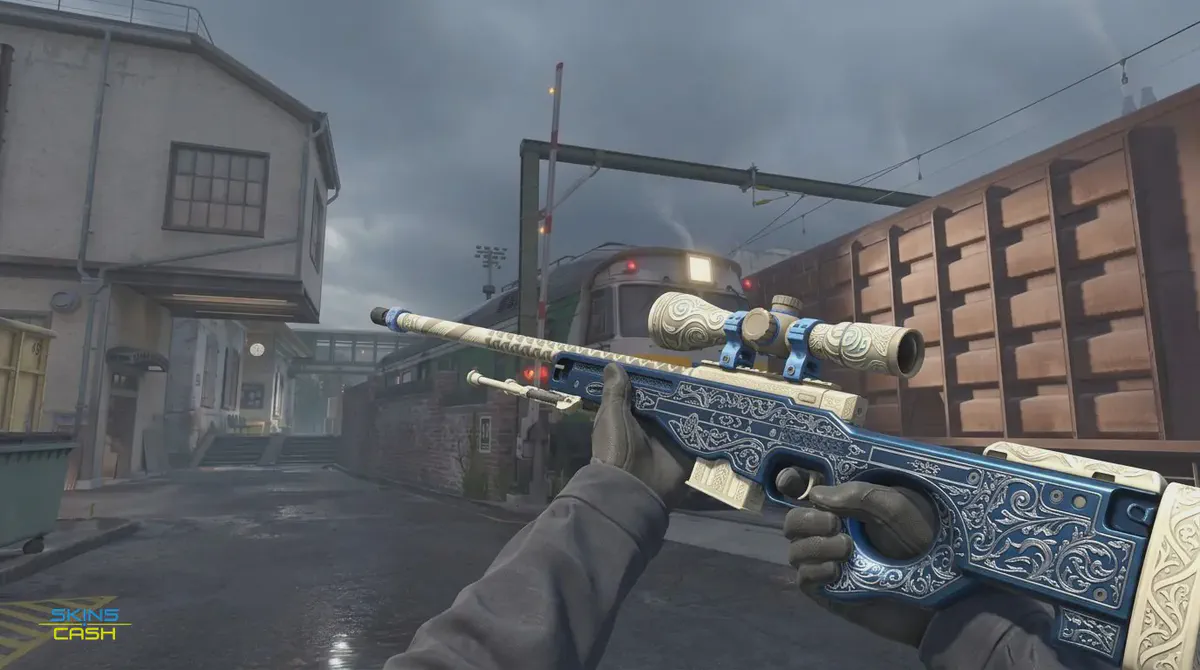
Gungnir sits at the top of the regular AWP market because it is a Covert from The Norse Collection and has a limited-supply collector profile. It is not a skin where every Factory New copy trades alike. The lower end of Factory New is already expensive, while extremely low floats can move into private collector territory.
Its 0.600 float cap means all five wear tiers are possible. A Battle-Scarred copy can exist, but it is not competing for the same buyers as a clean Factory New example. If you hold one, check the exact float before comparing offers.
Sell AWP | Gungnir Buy AWP | Gungnir
2. AWP | Dragon Lore
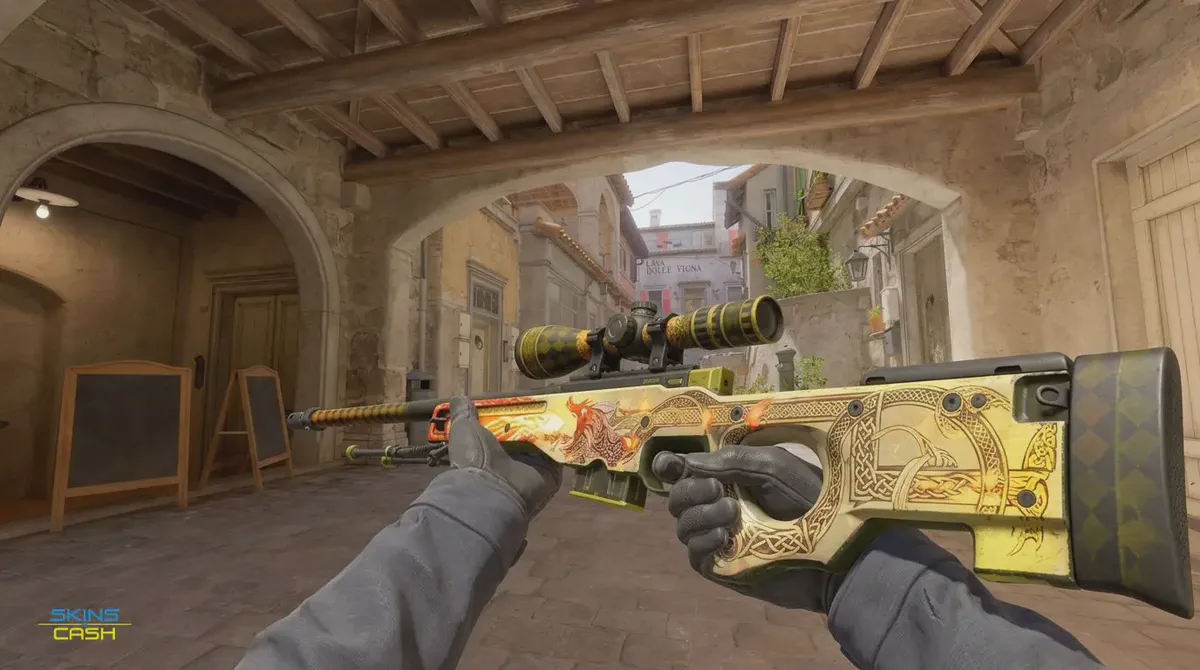
Dragon Lore has two separate markets. A normal copy is valued by wear, float, and collector demand for The Cobblestone Collection. A Souvenir copy has additional provenance from its original match-linked package and attached event stickers. Souvenir means the item came from a souvenir package, not a feature that can be added later.
That divide matters. A normal Factory New Dragon Lore should not be priced from a rare stickered Souvenir sale. The 0.700 cap allows every wear tier, so the condition gap between a clean copy and a worn copy is substantial.
Sell AWP | Dragon Lore Buy AWP | Dragon Lore
3. AWP | Medusa
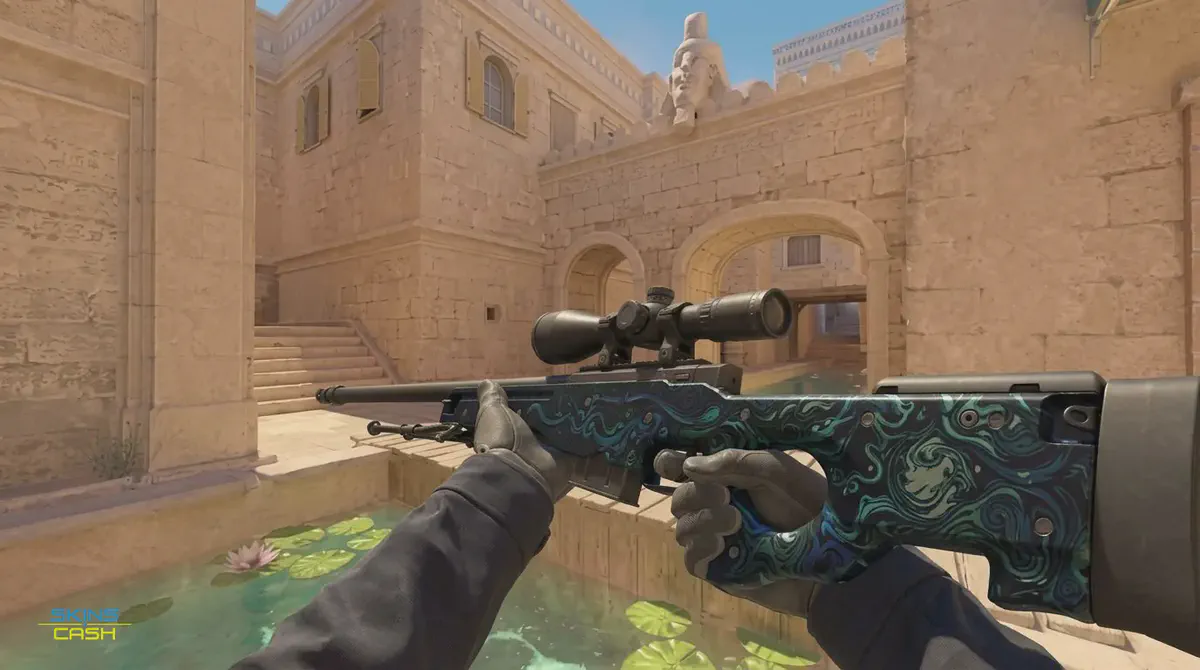
Medusa is a Covert from The Gods and Monsters Collection. Its appeal is straightforward: recognizable artwork, a legacy collection source, and a full 0.000–1.000 float range that gives collectors meaningful condition choices.
Wear is especially important here because clean examples show the design at its best. Factory New and Minimal Wear copies are normally the practical reference point for collectors, while the lower wear tiers serve a different budget segment. The full range also means there is no artificial scarcity created by a capped float. Buyers pay for clean condition rather than an unavailable tier.
Sell AWP | Medusa Buy AWP | Medusa
4. AWP | The Prince
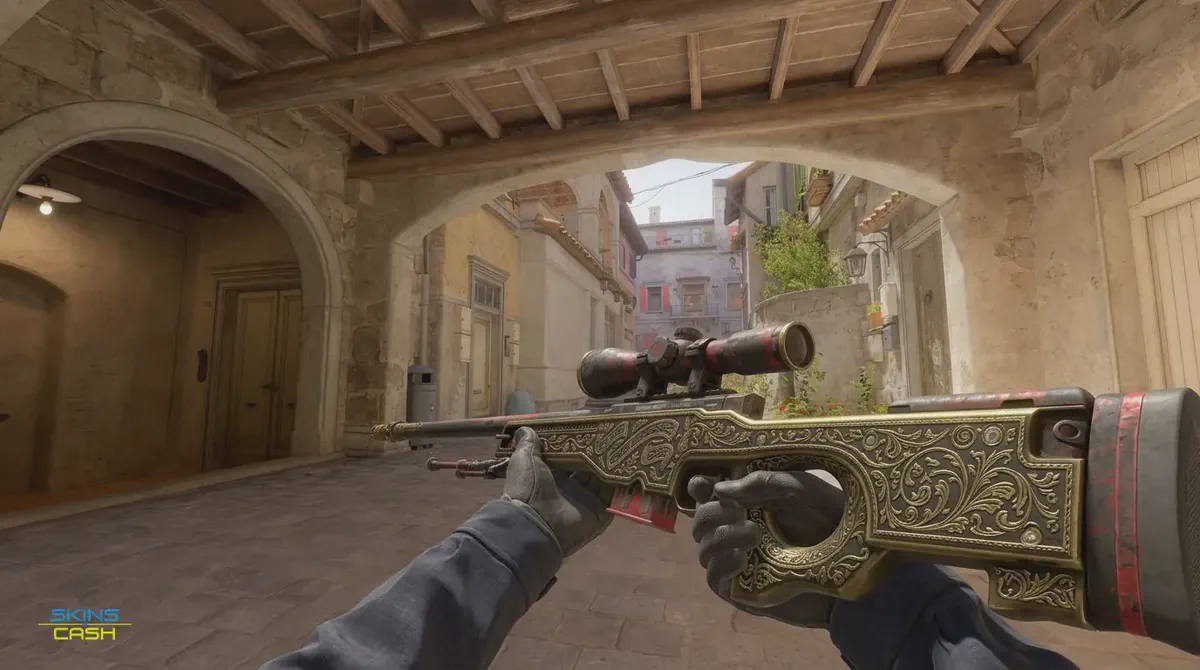
The Prince comes from The Canals Collection and trades on low supply plus a focused collector audience. It does not need to be the most widely used AWP finish to hold a premium. A smaller pool of interested buyers can still support strong prices when few clean copies circulate.
The 0.600 cap reaches every wear tier, including Battle-Scarred. Factory New copies remain the main flex tier. A worn copy is more likely to be a liquidity play, where getting a fair immediate cash offer can matter more than waiting for a very specific collector.
Sell AWP | The Prince Buy AWP | The Prince
5. AWP | Desert Hydra
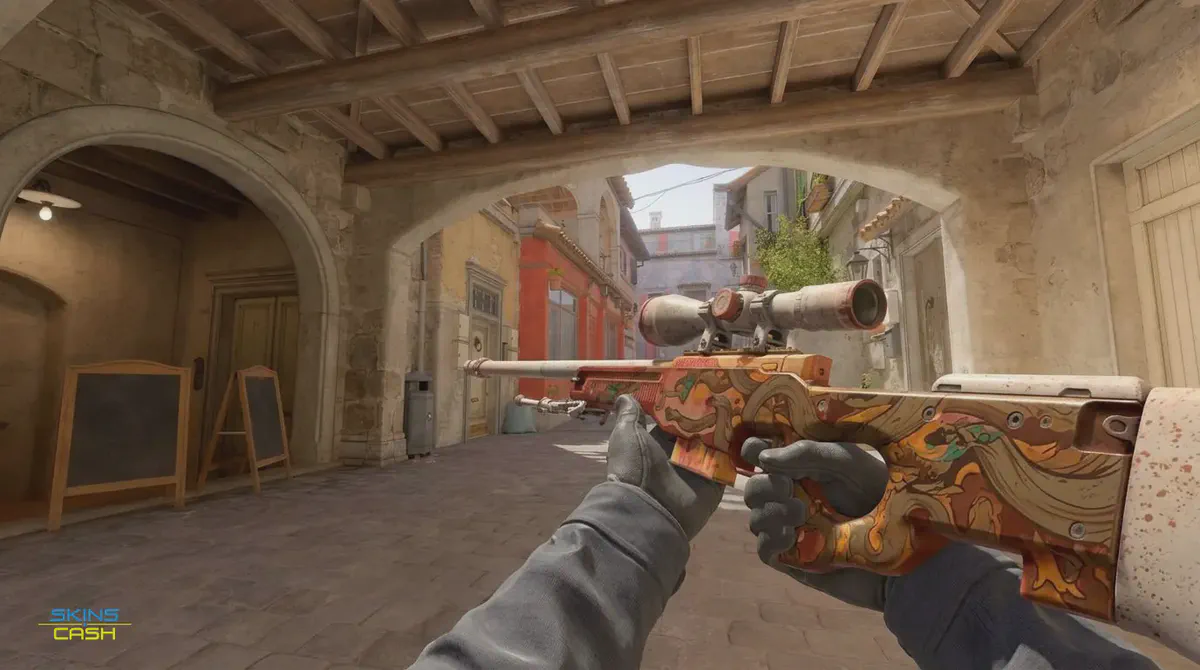
Desert Hydra is a Covert from The 2021 Mirage Collection. It has both normal and Souvenir versions, which creates more than one collector tier. A Souvenir label alone does not guarantee a huge premium, though. The exact float and the item’s specific event context still decide whether it is a standard Souvenir or a scarce collector target.

Sell your CS2 skins for real money.
Its 0.600 maximum float permits all wear tiers. Normal Factory New examples tend to be the clean baseline for price comparison. Exceptional Souvenir examples should be evaluated individually, not against a broad normal-market band.
Sell AWP | Desert Hydra Buy AWP | Desert Hydra
6. AWP | Fade
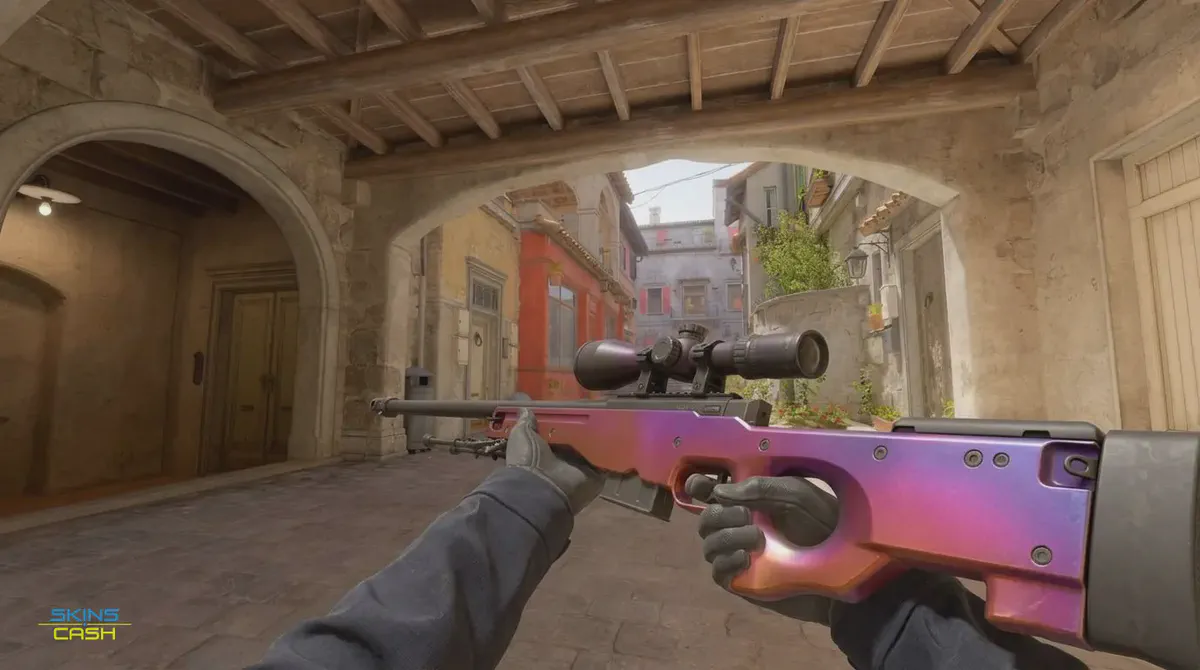
Fade has a different premium mechanic. Fade percentage is the amount of the fade finish visible on the weapon, with higher percentages generally showing less plain grey area. Two Factory New copies can therefore have different collector value despite sharing the same wear label.
Its narrow 0.000–0.080 float range means only Factory New and Minimal Wear are possible. No Field-Tested, Well-Worn, or Battle-Scarred examples exist. That keeps condition compressed and shifts more buyer attention to fade percentage and exact float.
Sell AWP | Fade Buy AWP | Fade
7. AWP | CMYK
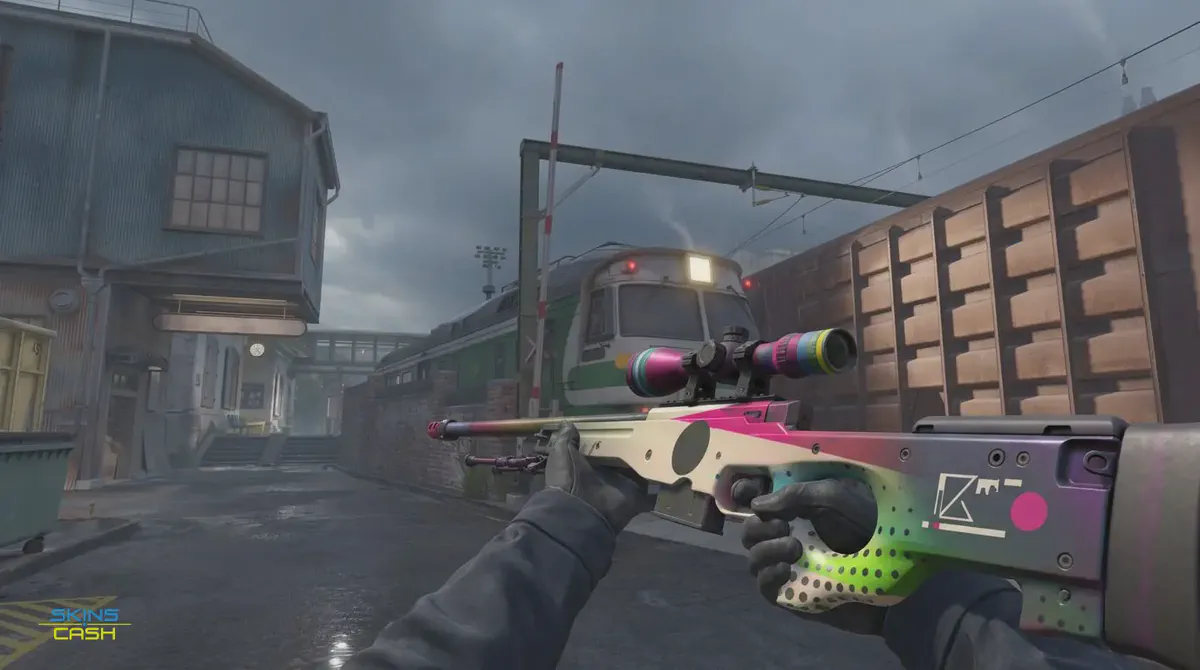
CMYK is a newer Covert from The Graphic Design Collection. It has a broad 0.000–0.800 float range, so clean condition matters far more than simply owning the skin. Factory New examples and unusually low floats are the natural premium segment.
This is also a supply-sensitive market. Collector interest can change quickly around collection availability, so a high listing is not proof of a completed sale. Sellers holding a clean CMYK should compare their float with recent comparable condition, then decide whether waiting for a collector is worth the time.
Sell AWP | CMYK Buy AWP | CMYK
8. AWP | Oni Taiji
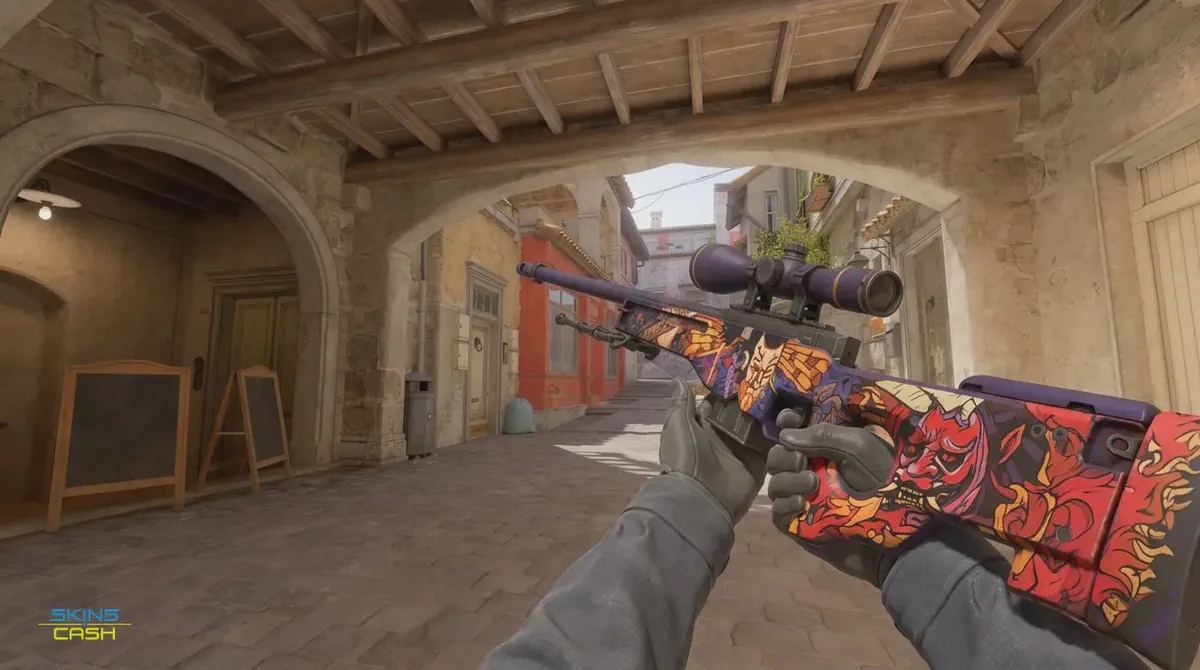
Oni Taiji is a Covert from The Operation Hydra Collection with a long-running premium look. It also has StatTrak versions. StatTrak is a separate item variant with a kill counter, so a StatTrak price should not be used to value a normal copy.
The float range reaches 0.500, which includes every wear tier but only part of Battle-Scarred. Clean examples do most of the work for collector value. The wider availability of lower-wear copies makes precise condition comparison important before selling.
Sell AWP | Oni Taiji Buy AWP | Oni Taiji
9. AWP | LongDog
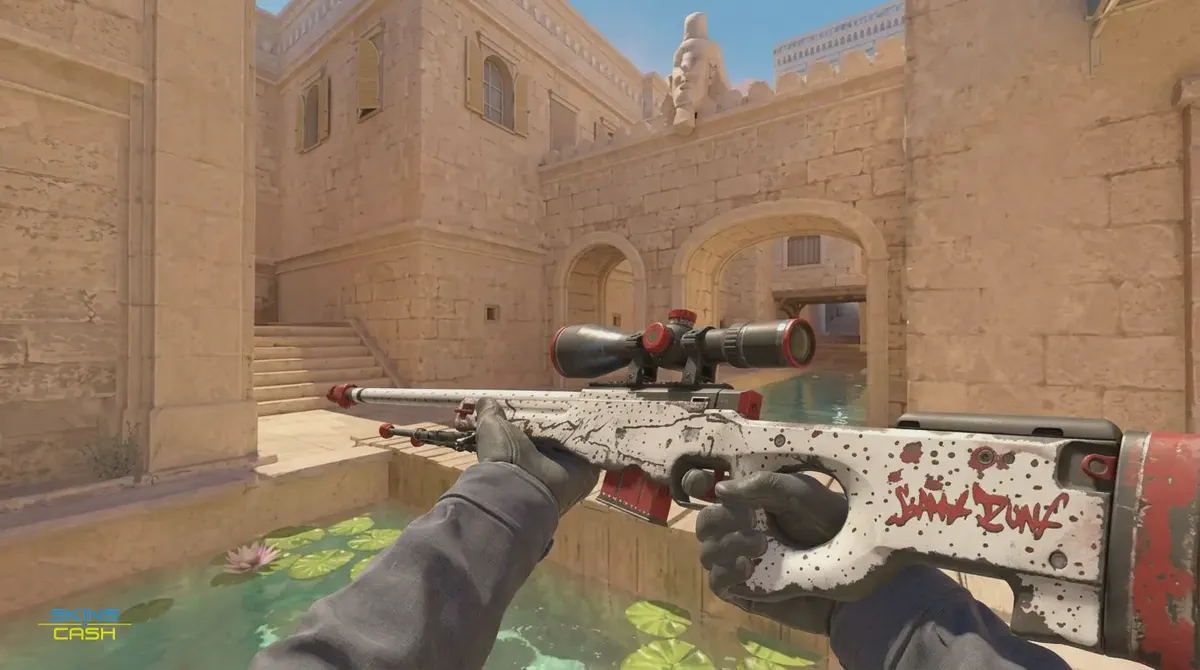
LongDog is a Covert from The Train 2025 Collection and has both normal and Souvenir versions. Its full 0.000–1.000 float range creates a large visual and pricing gap between the cleanest copies and heavily worn ones.
The upper end is condition-sensitive rather than broadly liquid across every float. A Factory New or low-float Souvenir item can attract attention, while an ordinary worn copy should be judged by real demand, not by eye-catching asks for top specimens.
Sell AWP | LongDog Buy AWP | LongDog
10. AWP | Silk Tiger
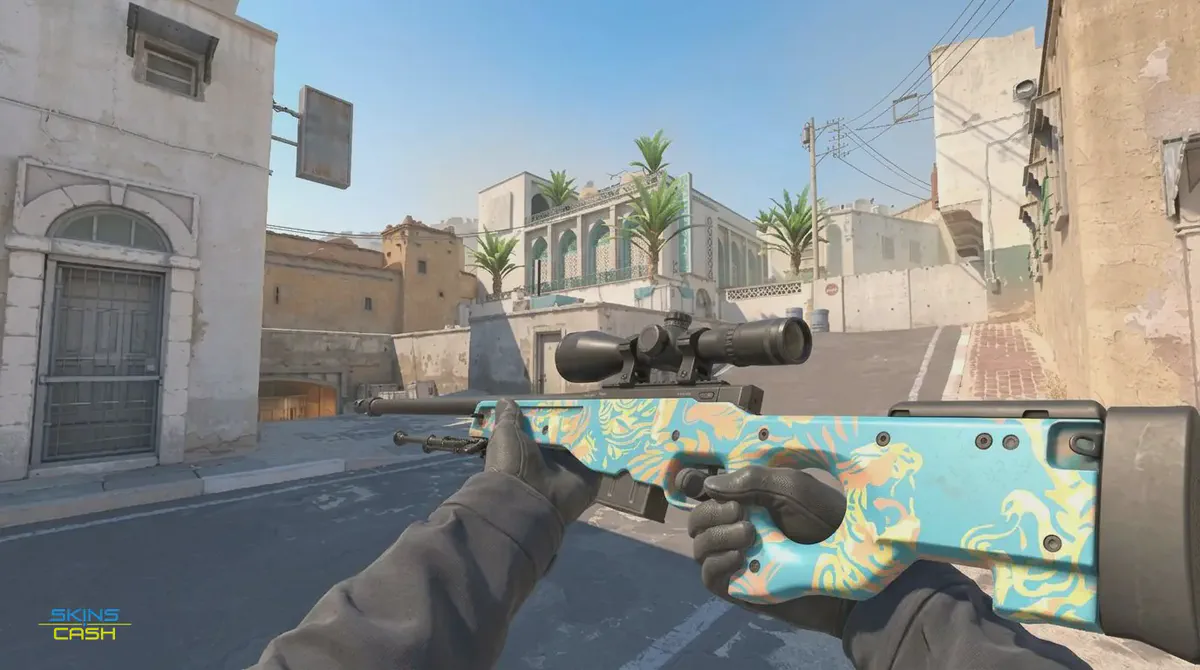
Silk Tiger is the exception near this price tier because it is Classified, not Covert. Its position comes from The Havoc Collection, a strong visual finish, and a thinner collector market for clean examples.
The 0.600 cap allows every wear tier. That makes Factory New and Minimal Wear the important comparison points for sellers. A skin can be below Covert rarity and still command a meaningful premium if the supply source and buyer demand line up.
Sell AWP | Silk Tiger Buy AWP | Silk Tiger
11. AWP | Lightning Strike
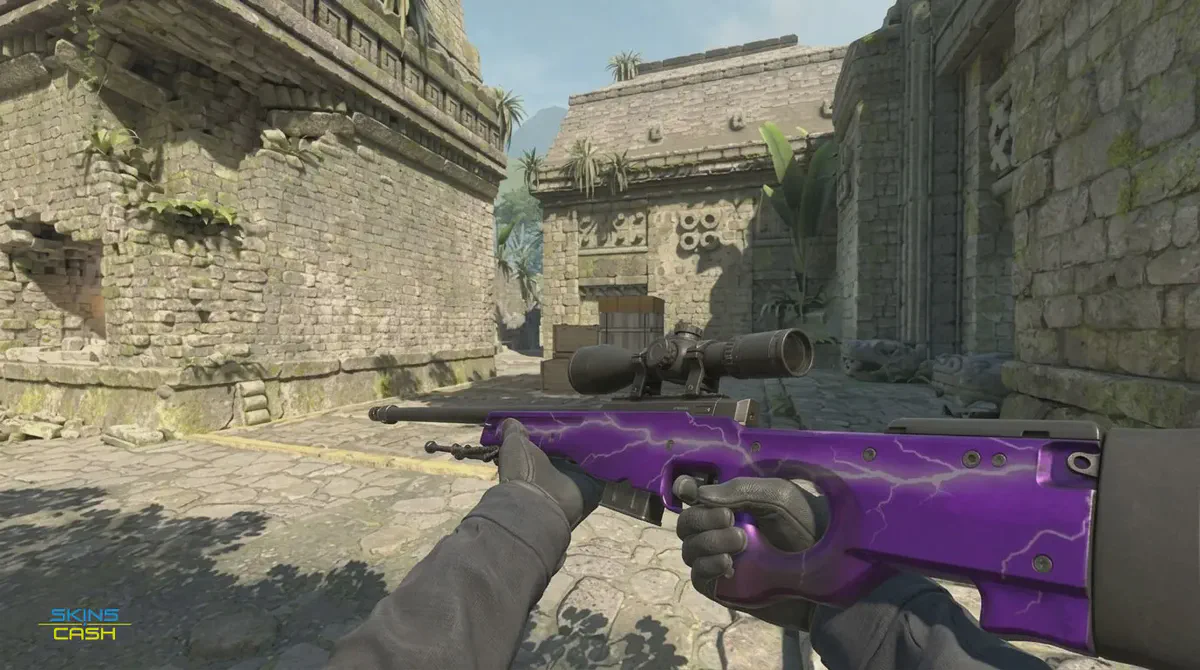
Lightning Strike is an older Covert from The Arms Deal Collection. Its clean, minimal finish has held collector appeal for years, and StatTrak availability creates a separate upper tier.
The float cap is only 0.080. Like Fade, it can exist only in Factory New and Minimal Wear. That narrow condition range removes the cheap worn-entry route seen on many other AWPs, which helps explain why clean copies retain a premium.
Sell AWP | Lightning Strike Buy AWP | Lightning Strike
12. AWP | Containment Breach
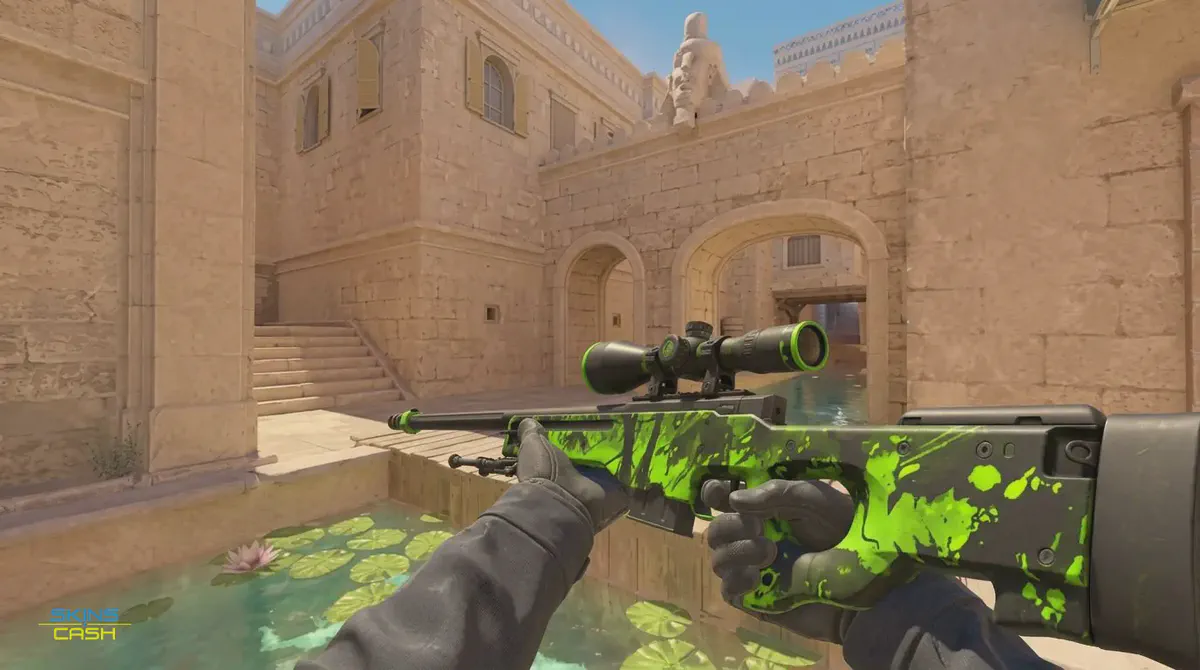
Containment Breach is a Covert from The Shattered Web Collection. It has a broad float range and StatTrak versions, so the name alone is not enough to set a realistic sale expectation. Normal and StatTrak copies are different markets, and clean condition carries more weight than the same finish in Battle-Scarred.
Because it can roll anywhere from 0.000 to 1.000, there are examples in all five wear tiers. That creates usable lower-price options, but it also makes Factory New stock more desirable for players who want the artwork to remain crisp.
Sell AWP | Containment Breach Buy AWP | Containment Breach
13. AWP | BOOM
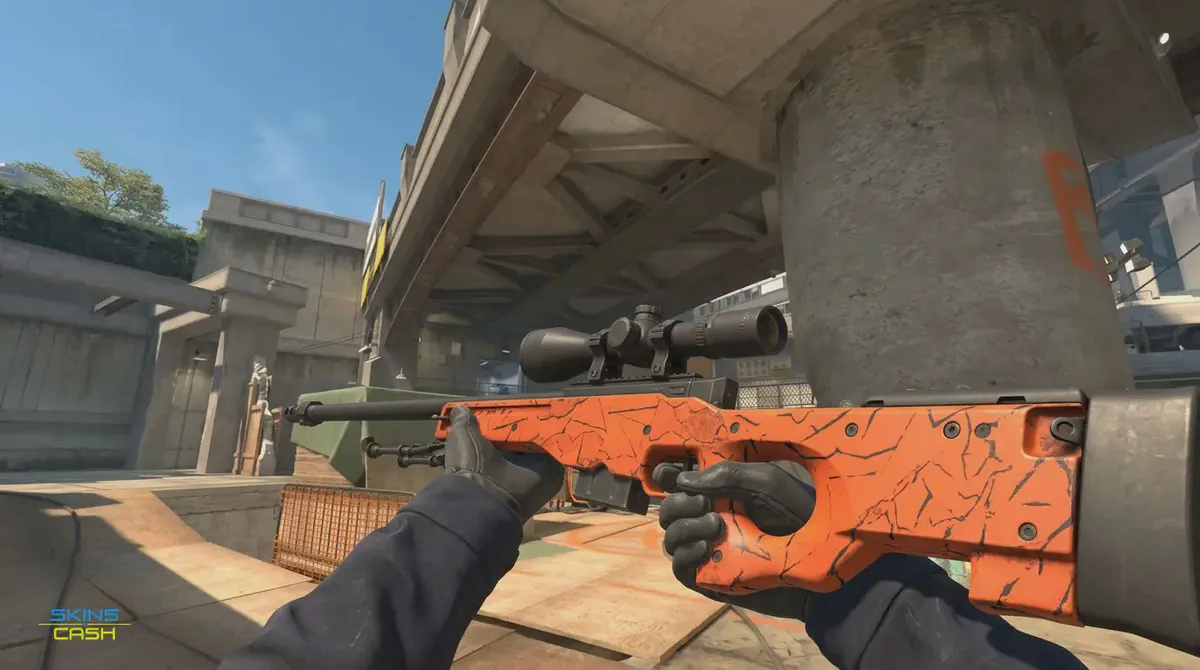
BOOM is a Classified finish from The eSports 2013 Collection. It has old-school collector interest and StatTrak variants, but its float range is unusually restricted.
The minimum float is 0.060, so only the last slice of Factory New is possible, from 0.060 to 0.070. Minimal Wear and Field-Tested are reachable up to 0.280. Well-Worn and Battle-Scarred are impossible. That constrained wear profile is part of what makes condition comparisons more interesting than they first appear.
Sell AWP | BOOM Buy AWP | BOOM
How Expensive AWP Skin Prices Are Set
A record sale belongs to a specific item, not to every copy carrying the same finish name. That is the key rule behind expensive AWP pricing.
A Factory New label covers floats from 0.00 to 0.07. One copy at 0.0001 and another at 0.0699 are both Factory New, but collectors can value them very differently. Very low floats may be database-ranked, and a top-ranked item is effectively competing in a much smaller market than ordinary Factory New stock.
Pattern index is separate from float. Float controls wear. Pattern index controls how a finish layout appears on the weapon. A pattern seed is one of 1,000 possible pattern indexes, so one specific seed is roughly 0.1% of drops for that skin. It does not say anything about the item’s wear, StatTrak status, or sticker configuration.
For AWP | Fade, the pattern result affects fade percentage. Higher visible fade can command a premium. That is not a blue-gem market. Blue-gem tiers are community conventions around Case Hardened blue coverage, and they do not explain the value of the flagship AWPs here.
Supply matters as much as appearance. Every weapon case uses the same rarity odds: Mil-Spec at 79.92%, Restricted at 15.98%, Classified at 3.20%, Covert at 0.64%, and rare special items at 0.26%, or about 1 in 385. The fixed in-client key price is $2.49 in the US store before tax, but regional pricing and tax differ.
Collection skins follow a different supply story than widely opened case skins. A limited collection source can make clean examples scarce, particularly after years of trade-ups and collectors removing items from circulation. Trade-ups are deterministic crafting, but they consume inputs and can affect how many higher-rarity collection items remain available.
For sellers, separate the skin into four checks before accepting or rejecting a cash quote:
- Finish and rarity: Is it a Covert collection AWP, a Classified collector finish, or a more common case skin?
- Wear and float: Does the float make it a standard example, a clean premium, or a ranked outlier?
- Variant: Is it normal, StatTrak, or Souvenir? These are separate item pools.
- Collector details: Does it have a meaningful fade percentage, unusual provenance, or valuable untouched stickers?
If your AWP is an ordinary example, liquidity matters. An instant cash-out is often more useful than waiting for a speculative listing to convert. If it has a rare float or special Souvenir details, verify those traits first. The difference can be material.
FAQ
What is the most expensive regular AWP skin?
AWP | Gungnir and AWP | Dragon Lore sit at the top of regular AWP trading in 2026. The highest-ever individual AWP sales involve special Dragon Lore specimens with rare collector details, not normal market copies.
Why is a Souvenir Dragon Lore worth more than a normal Dragon Lore?
A Souvenir AWP | Dragon Lore has provenance from its original souvenir package and can carry non-reproducible event sticker combinations. Normal and Souvenir versions should be valued as separate markets.
Does a lower float always make an AWP more expensive?
Not always, but lower float usually helps within the same wear tier. A very low float can command a collector premium, especially if it is among the lowest known examples. The skin’s float cap also matters because some finishes cannot reach all wear tiers.
Which expensive AWP skins have restricted float ranges?
AWP | Fade and AWP | Lightning Strike cap at 0.080, so they exist only in Factory New and Minimal Wear. AWP | BOOM runs from 0.060 to 0.280, allowing only a narrow Factory New segment, Minimal Wear, and Field-Tested.
Can I cash out an expensive AWP without listing it first?
Yes. skins.cash provides instant cash-out for eligible CS2 skins, so you can sell for real money without creating a marketplace listing. Check the exact finish, wear, float, and variant first, especially for Souvenir, StatTrak, or unusually low-float items.